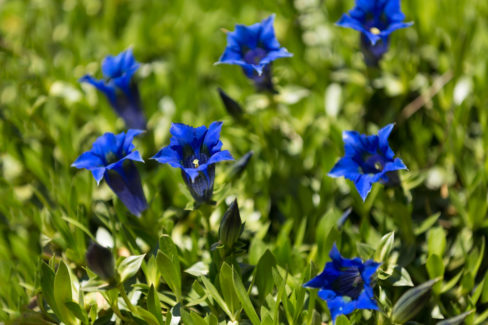
Adding gentians to your garden is such a rewarding move—they’re real showstoppers that can bring color to your yard throughout the year. Depending on the variety, those iconic trumpet-shaped blooms pop in brilliant azure blue, crisp white, sunny yellow, or even deep red. Usually, you’ll want to deadhead them once the flowers fade, but if you’re looking to grow your own from scratch, you’ll want to let those seeds develop!
Quick Facts About Gentian Seeds
Once the flowers wither away, gentians form seed pods packed with tiny brown seeds. If you leave them alone, the plant will happily self-seed, and you’ll find a bunch of little “volunteers” popping up next spring that you can simply transplant. However, if you want more control, I recommend sowing them yourself between September and October. Gentians are “cold germinators,” meaning they need a period of chilly weather to wake up. By planting in the fall, nature does the work for you. If you wait until spring to sow, you’ll have to “stratify” the seeds—which is just a fancy gardening term for sticking them in the fridge for a few weeks to trick them into thinking they’ve survived a winter.
How to Collect the Seeds
The timing depends on which variety you have, but you’ll know it’s harvest time when the seed pods look ripe and dry.
- Use a sharp pair of garden snips to cut off the mature pods.
- Pop the stems and pods into a plastic bag.
- Give the bag a good shake or gently tap the dry pods.
- The seeds will fall right out! Store them in a cool, dark, and dry spot until you’re ready to plant.
Sowing Your Seeds
For the best results, get those seeds in the ground by fall. The winter chill naturally breaks down the seed’s dormancy, leading to a fresh crop of sprouts in the spring. If you prefer using seed trays, that works too—just leave the trays outside all winter.
Whether you’re planting directly in the garden or using a tray, use loose, loamy soil rich in organic matter. Scatter the seeds thinly, cover them with just a light dusting of soil, and give them a gentle watering. You’ll want to keep the soil moist during germination, but be careful not to drown them—gentians hate “wet feet.” Adding a bit of drainage material to your soil beforehand is a great insurance policy against root rot. Once your seedlings are big enough in the spring, thin them out (prick them) so they’re about 4 inches apart, or move them into individual pots. Once they’ve established a solid root system, they’re ready to move to their permanent home in your garden.