There are a few different ways to grow your oleander collection, but one of the most rewarding methods is starting them from seed. If you’ve ever wanted to try your hand at being a plant breeder, this is the way to go! Let’s dive into how you can successfully harvest and sow oleander seeds yourself.
Ways to Propagate Oleander
If you want more of these Mediterranean beauties in your garden, you have a few options for propagating oleander. Besides seeds, you can also try:
- Growing from cuttings (cloning)
- Layering (rooting a branch while it’s still attached to the mother plant)
Expect the Unexpected with Seeds
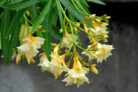
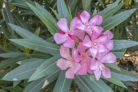
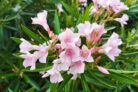
Here’s the fun part: unlike taking cuttings, which gives you a genetic twin of the parent plant, growing from seed is a bit of a gamble. The “babies” won’t be genetically identical to the mother plant. You might end up with a flower color or shape that looks nothing like the original! It’s like a little botanical surprise package.
How Oleander Seeds Form
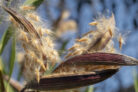
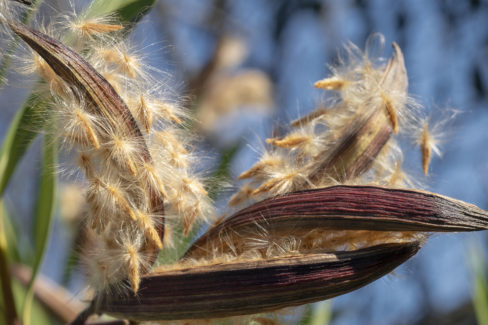
Not every oleander will naturally produce seed pods. Usually, if the flowers are pollinated and fertilized, you’ll see long, bean-like follicles develop toward the fall. This is where the seeds ripen. You’ll know they’re ready when the pods turn brown and start to split open, revealing fuzzy seeds inside.
Quick tip: If you just want your oleander to focus on blooming, it’s best to snip off those pods early. Developing seeds takes a ton of energy! But if you’re looking to propagate, leave them alone and let nature do its thing until they’re fully ripe.
The Sowing Process
Once you’ve gathered your ripe seeds, here’s your step-by-step guide to getting them started:
- Soak the seeds in a bowl of water overnight to help them wake up.
- Sow them in a seed tray filled with high-quality seed-starting mix. Give them just a light dusting of soil on top.
- Place the tray in a bright spot that’s safe from chilly drafts.
- Keep the soil consistently moist but not soggy.
- To keep things humid, stretch some plastic wrap over the tray (like a mini greenhouse).
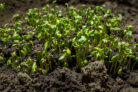
- In a few weeks, you should see sprouts! Once the seedlings are sturdy enough to handle, you can pot them up into their own individual containers.
Why Choose Seeds?
One big advantage of seeds over cuttings is plant health. When you clone a plant via cuttings, you can accidentally pass along certain oleander diseases, like oleander knot (canker).
Seeds, however, don’t inherit these specific issues from the parent plant. This makes seed-grown plants great candidates for grafting or for breeding your own unique varieties. If you want to get fancy, you can cross-pollinate two different oleanders using a small paintbrush. Just keep in mind that oleanders are slow to show their true colors—it usually takes at least three years before a seedling blooms for the first time. Patience is key, but the payoff is worth it!