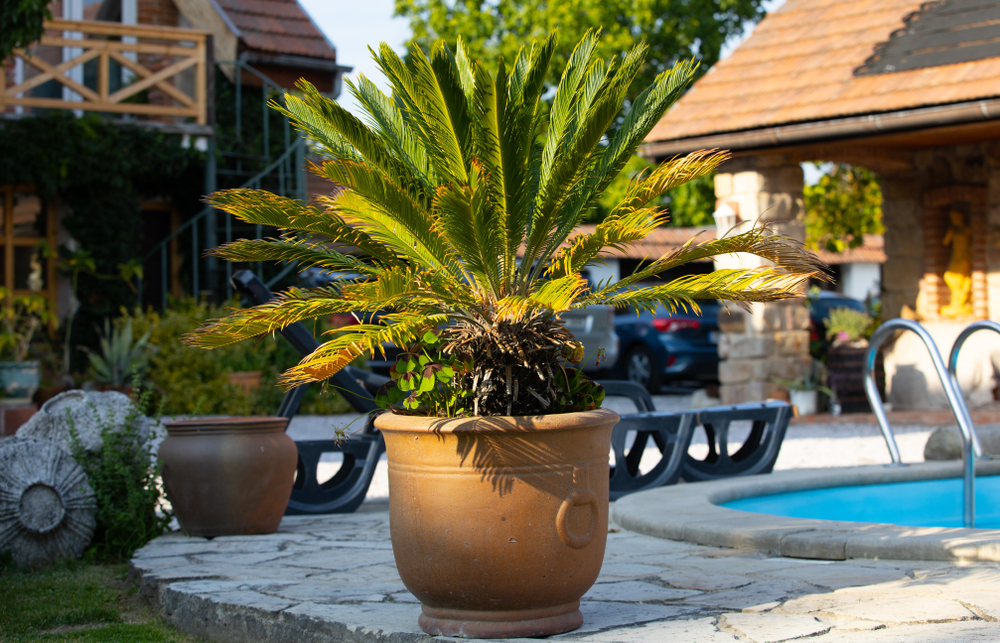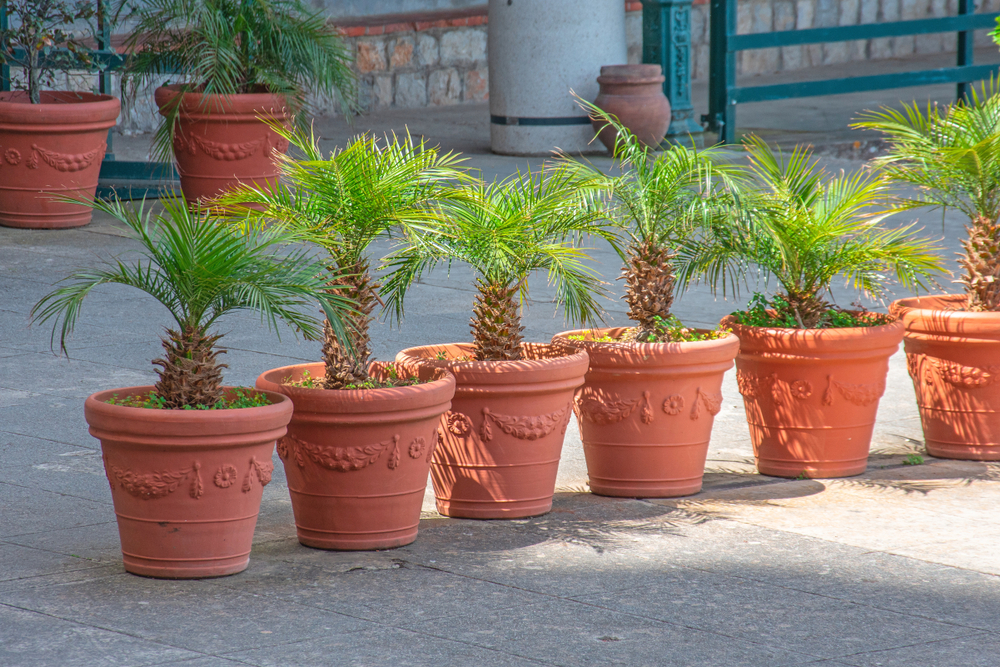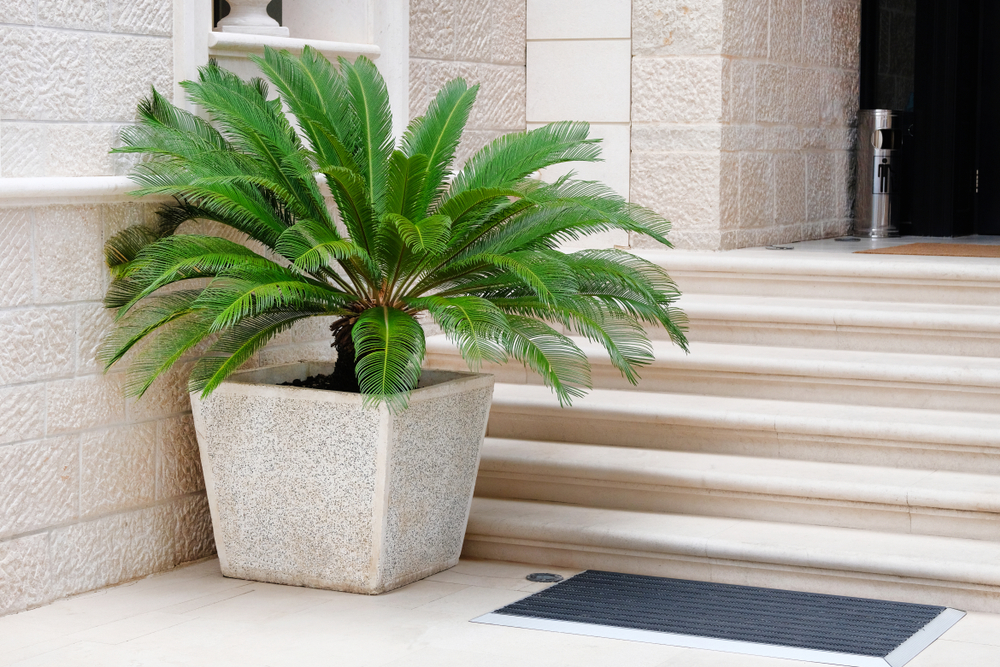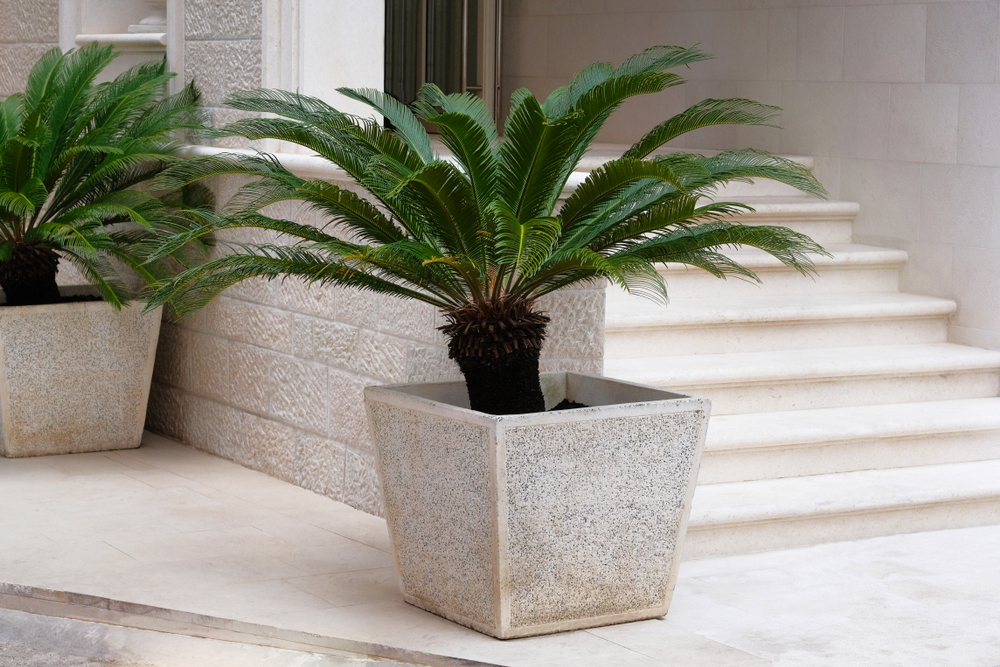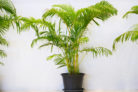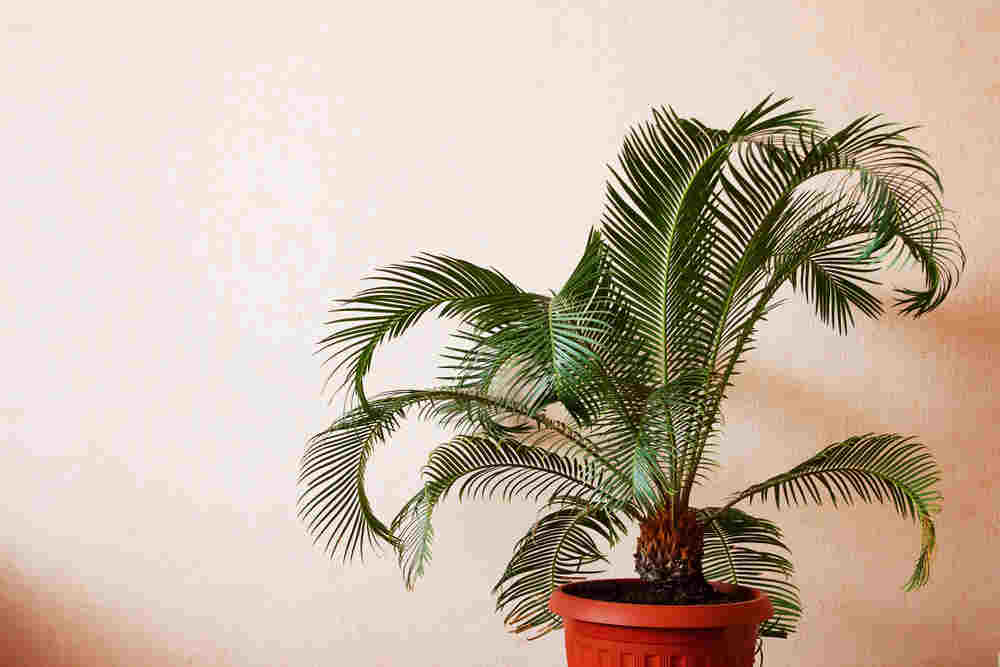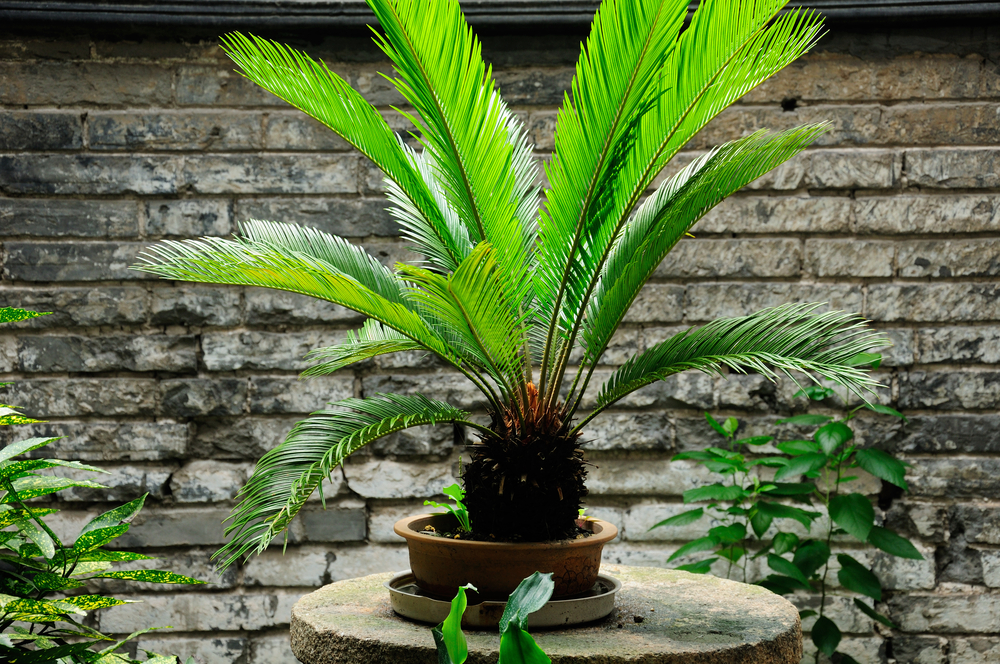
As one of the smallest members of the palm family, the Pygmy Date Palm is a total favorite for living rooms, sunrooms, or patios. These little beauties hail from Southeast Asia, which means our typical backyard weather doesn’t always give them exactly what they need to bloom or grow fruit on the regular. But don’t give up hope! With a little bit of luck and a green thumb, you can actually get these palms to flower.
The Fruit of the Pygmy Date Palm
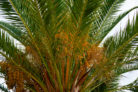
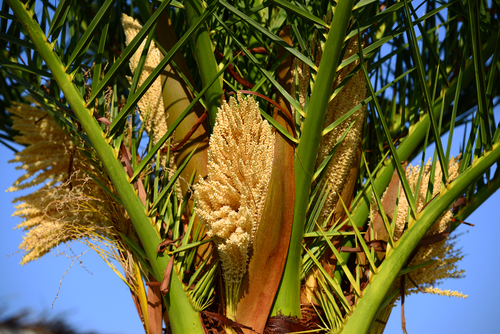
Back in Asia, where the climate is just right, the Pygmy Date Palm produces subtle, light green flowers that eventually turn into brownish seed clusters. The fruit itself grows to about 0.7 inches long and maybe a quarter-inch thick. Now, a quick heads-up: while they look cool, they taste pretty bitter. They’re really just there for decoration rather than a snack!
How to Get Your Pygmy Date Palm to Bloom
If you’re keeping your palm indoors or in the garden, getting it to flower can be a bit of a challenge since the growing conditions aren’t always perfect. If you do manage to get blooms, you’ll actually have to hand-pollinate them if you want to see any fruit or seeds. You’ll need a small paintbrush and a few different flowering palms to make it happen. Just gently brush the flowers to spread the pollen onto the ovaries. If you’ve nailed the basics—plenty of light, warmth, and humidity—your palm will start setting fruit. You can even use those seeds to grow brand-new baby palms!
The Perfect Growing Conditions
The Pygmy Date Palm is a tropical soul at heart, so it craves a vibe similar to a rainforest. Here’s what you need to provide:
- Plenty of bright light and warmth
- No direct, scorching sun (if it’s outside, you might need a sunshade)
- Humidity levels between 60% and 70%
You can keep the humidity up by giving your palm a regular misting with a spray bottle. Setting a few water trays nearby also helps as the water evaporates. If your palm is spending the winter inside, an automatic humidifier is a total game-changer.
Light is just as crucial as moisture. If it’s outdoors, try to find a spot with partial shade to protect those fronds from burning. Indoors, you want a spot that’s flooded with light. During the darker winter months, standard room light often isn’t enough, so consider using a grow light to give it that extra boost.