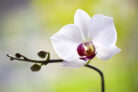
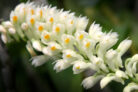
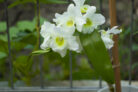
Most Dendrobium owners are over the moon when their orchid finally bursts into bloom. That’s why it’s so frustrating when the flowering season ends and… nothing happens. If your orchid is refusing to rebloom, it usually comes down to two main culprits. Let’s dive into why your Dendrobium might be on strike and how you can get those beautiful blossoms back!
Reason #1: It’s Staying Too Warm in the Winter
To trigger new buds, Dendrobium orchids actually need a bit of a “temperature shock.” During the summer, they love a bright, warm spot on the windowsill. But once winter dormancy hits, they need a cool-down. Different varieties have different preferences, so here’s a quick cheat sheet:
- Dendrobium nobile: 60°F to 82°F in summer, but a chilly 40°F to 55°F in winter.
- Dendrobium phalaenopsis: 68°F to 82°F in summer and 55°F to 65°F in winter.
As a general rule of thumb, your Dendrobium needs a temperature drop of at least 10 degrees Fahrenheit to kickstart the blooming process. Also, starting in October, dial back the watering to just tiny amounts until you see those first flower buds peeking out.
Reason #2: Root Rot from Overwatering
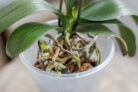
While orchids love humidity, many plant parents accidentally kill them with kindness (and too much water). Even though they are rainforest natives, they need their roots to dry out between waterings to prevent rot. If the roots stay soggy, they’ll start to decay, and the plant will stop absorbing nutrients. When an orchid is struggling to survive root rot, blooming is the last thing on its mind.
If you notice mushy, brown roots, you need to act fast! Repot your plant as soon as possible into fresh pine bark substrate. Be sure to trim away any rotted roots, but don’t prune any healthy green parts of the plant. After repotting, give your orchid a break and wait about ten days before watering it again.