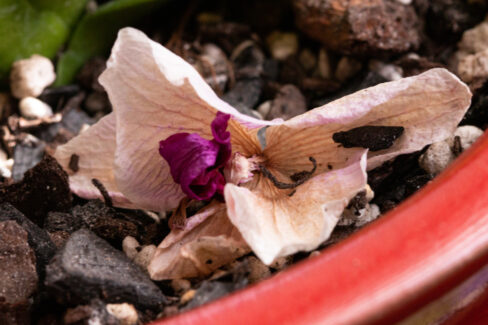
Exotic orchids are famous for their long-lasting, stunning blooms. But if your plant suddenly starts dropping its flowers all at once, it’s usually a sign that something is a bit off with its care routine. Don’t worry, though! We’re going to walk through exactly what you can do to keep those blossoms looking beautiful for as long as possible.
What happens after the blooming period?
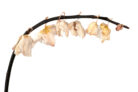
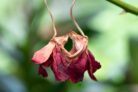
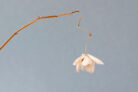
If your orchid’s flowers are fading one by one after a long blooming season, that’s totally normal—it’s just the circle of life. You can gently pluck off the wilted flowers or just let them fall off on their own. However, if your orchid suddenly drops several healthy-looking buds or all its flowers at once, it’s time to do a little detective work to find the cause.
Common reasons for bud blast and flower drop
Most of the time, sudden flower loss comes down to a few common “oops” moments in plant care. Besides a bad location—like sitting in scorching midday sun or being stuck in a drafty hallway—here are the usual suspects:
- Improper watering (either leaving the roots sitting in water or letting them get bone-dry for too long).
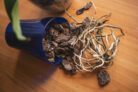
- Old, compacted potting mix that has run out of nutrients because the plant hasn’t been repotted in a while.
- Uninvited guests (aka pests).
Finding the perfect spot for your orchid
Orchids love a bright, warm spot, but they aren’t fans of direct, intense midday sun. East- or west-facing windows are usually the “sweet spot.” During those gloomy winter months, you might want to help your plant out with a specialized grow light to make sure it’s getting enough Vitamin D.
Temperature also plays a huge role in how long those flowers stick around. These tropical beauties prefer being warm rather than chilly. Aim to keep your room between 65°F and 77°F (18°C to 25°C) to keep them happy.
Mastering the art of watering
Watering is where most orchid parents run into trouble. Both overwatering and letting the plant dry out completely can cause the flowers to drop. The best method? Give your orchid a “bath” by dipping the pot in lukewarm water once the substrate feels dry. To mimic their tropical home, give the leaves and aerial roots a light misting every now and then to boost the humidity.
Dealing with pests and diseases
Every once in a while, pests or diseases might be the reason your orchid is acting up. Keep a close eye on your plant for any strange spots or bugs, and if you see something suspicious, start treatment right away to save those blooms!