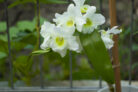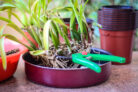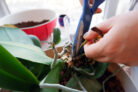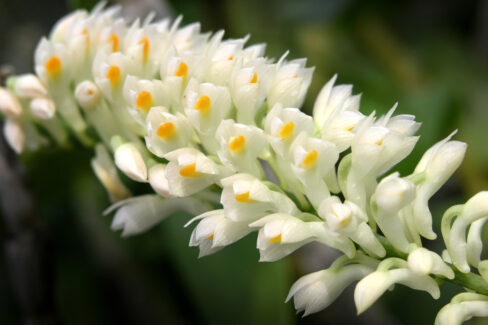
The stunning Dendrobium is easily one of the best orchids for anyone just starting their indoor gardening journey. Why? Because they’re incredibly low-maintenance and reward you with some of the most spectacular blooms you’ll ever see. If you’re wondering how to keep yours looking its best, here’s the lowdown on how to prune your Dendrobium the right way.
Simple Ground Rules for Pruning
I get asked a lot by new plant parents about the “right” way to trim a Dendrobium. Luckily, there are a few tried-and-true rules that make it almost impossible to mess up. Here’s your game plan:
- Never cut off green shoots or healthy green leaves.
- Wait until leaves and flower stalks are completely dead and brown before removing them.
- Let wilted flowers fall off on their own whenever possible.
The reason behind these rules is pretty simple: Dendrobiums actually draw nutrients back from their green parts to stay healthy. That’s why you want to wait until a part of the plant is totally dried out before you reach for the shears.
Should You Cut Back Leafless Stems?
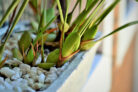
A common question is whether to chop off those bare stems once the flowers have faded. My rule of thumb? As long as a stem (or “cane”) is still green, it has the potential to bloom again or provide energy to the rest of the plant. Only trim off the parts that are visibly dried out and crispy. Be patient—it usually takes a few weeks for the orchid to gear up for its next blooming cycle.
What About Those Aerial Roots?
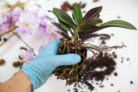
Those funky-looking aerial roots aren’t just for show—they play a huge role in feeding your Dendrobium. Don’t be too quick to snip them off! If you aren’t sure if a root is actually dead or just dormant, try this quick trick: mist it with a little soft water. If the root turns green, it’s still alive and well, so leave it be!
How to Encourage New Blooms
If your orchid is taking a long nap and you want to trigger a new blooming cycle, try moving it to a cooler spot. A drop in temperature (ideally around 40-45°F, though just a consistently cooler room often does the trick) signals to the plant that it’s time to flower again. Before you know it, you’ll be enjoying those gorgeous blossoms all over again!