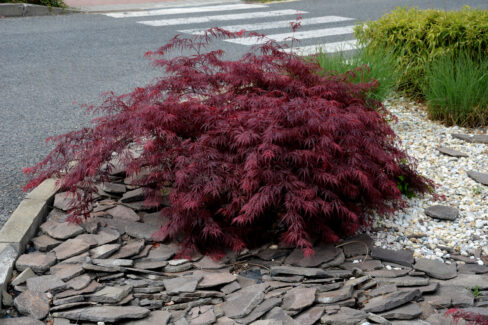
Japanese Maples are actually a bit easier to dig up than other maple varieties, thanks to their shallow root systems. However, you still need to be extra careful not to damage those delicate roots during the process. Here are my go-to tips for getting the job done right.
How do I dig up a Japanese Maple?
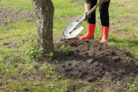
Start by outlining the root area of your maple and then carefully begin digging. A good rule of thumb is to draw a circle around the trunk that matches the width of the tree’s canopy. Then, follow these steps:
- Use a spade to cut into the soil along that marked circle.
- Inside that circle, use a garden fork to gently loosen the roots.
- Carefully lift the tree and its entire root ball out of the ground.
If the branches are making the move a bit awkward, feel free to prune the maple back a little to make it more manageable.
How old is “too old” to move a Japanese Maple?
Generally, Japanese Maples can be dug up and transplanted successfully until they are about 4 to 5 years old. If you try to move a tree older than that, there’s a much higher risk of damaging the root system too severely. When the roots take a big hit, the chances of the tree thriving in its new home drop significantly.
When is the best time to dig it up?
Timing is everything! Aim for a warm window of the year, well before the first frost hits. If you’re planning on moving your Japanese Maple to a new spot, it needs plenty of time to settle into frost-free soil. Even if you aren’t replanting it immediately, digging in warmer weather is just easier—the soil is usually drier and looser, which makes your job a lot simpler.
Can I replant my Japanese Maple after digging it up?
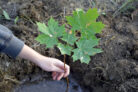
Absolutely! With the right TLC, a young Japanese Maple can handle a move just fine. The key is to keep the transplant in mind from the very first shovel strike. As long as you keep the roots intact and move the root ball into a nice, wide planting hole, it should take hold. I recommend mixing some compost into the new hole to give it a boost. A little fertilizer also goes a long way in helping those roots establish. And don’t forget: keep your maple well-watered for a while after the move!
Pro Tip: Give your maple some support!
Once those roots have been disturbed and moved, your Japanese Maple won’t be very stable at its new location right away. Even in a spot protected from the wind, it can wobble. You can help your tree stay upright by using a few garden stakes. Just place them next to the tree and tie the trunk to them loosely for support while it finds its footing.