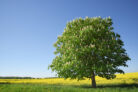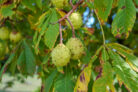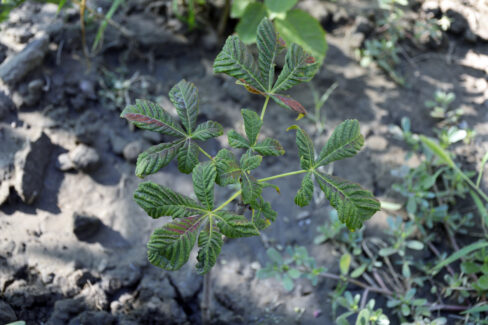
As most gardeners know, chestnut trees can get absolutely massive. It’s pretty common to underestimate just how much room they need, and before you know it, that “little” tree is crowding out everything else. If you find yourself needing to move your chestnut tree to a better spot, there are a few golden rules to follow to make sure it survives the trip. Here is everything you need to know.
Timing is Everything
First things first: you should really only move a chestnut tree if it’s absolutely necessary. That said, if you’ve realized the current location just isn’t working, the sooner you act, the better. Younger trees handle the “big move” much better than older, established ones.
The best time to plant or move your tree is during a frost-free period when the tree is dormant (meaning it has no leaves). Not only does this make the job easier for you, but it’s way less stressful for the tree. Without leaves, the tree doesn’t lose moisture through evaporation, which prevents it from drying out while it’s trying to settle into its new home.
How to Move Your Tree Like a Pro
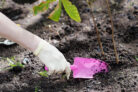
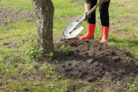
When it comes to the actual digging, you’ll want to be as gentle as possible. You’re bound to nick a few roots here and there, but try to keep the damage to a minimum. A pro tip: keep as much of the original soil attached to the root ball as you can. This protects those delicate fine feeder roots and gives the tree a little “taste of home” to help it adjust.
Before you move the tree, dig a nice, wide hole at the new site and mix in some well-rotted compost to give it a nutrient boost.
Once the tree is in the ground, give it a good, long soak. It’s going to be extra thirsty for the first few days, but make sure the water can drain—you don’t want the roots sitting in a swamp. To help the tree focus its energy on root growth rather than maintaining branches, it’s a smart move to prune back the shoots by about a third.
Chestnut Transplanting Checklist
- Generally, try to avoid moving a chestnut tree if you can help it.
- Only transplant if it’s truly necessary for the tree’s health or your space.
- Always move the tree during a frost-free window.
- Make sure the tree is dormant (no leaves) before you start digging.
- Keep the root ball intact and minimize root damage.
- Dig a hole that’s plenty big enough for the root system.
- Keep a close eye on watering during the first few weeks.