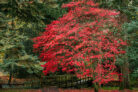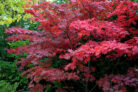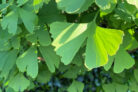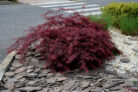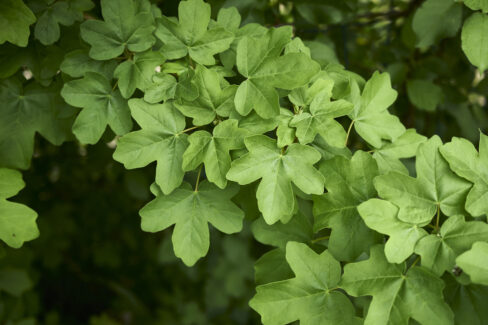
You know the old saying, “You can’t teach an old dog new tricks”? Well, the same pretty much applies to moving a large, established maple tree. Once a maple has settled into its spot, it’s really dug in—literally. Moving a big tree is not only a back-breaking project, but it’s also risky for the tree’s health. My advice? Only attempt a move if the odds are stacked in your favor.
The “Window of Opportunity” for Moving Day
Maples are shallow-rooted trees, meaning their root systems spread out wide just under the surface. Those roots are numerous and cover a lot of ground. The older the tree gets, the harder it is to dig it up without causing serious damage. A maple with a mangled root system will struggle to establish itself in a new spot and becomes a sitting duck for fungal infections like Verticillium wilt.
Most pros recommend only transplanting a maple if it’s been in the ground for four years or less. If it’s been there longer than that, you’re usually better off just planting a new tree altogether.
Quick Note:
If you have a potted maple, repotting it as it grows is totally fine (and necessary!). Since the roots stay contained in the pot, moving it to a bigger home isn’t a problem.
Timing is Everything
If you’re dealing with frost-sensitive Japanese maples, it’s best to move them in the spring. For most other varieties, the sweet spot is during the dormant season between October and February.
Pro Tip: If you’re planning ahead, start prepping 4 to 6 months before the move to encourage “fine root” growth. This makes the transition much smoother:
- Use a spade to cut a circle into the soil around the tree.
- Make the radius roughly the same size as the tree’s canopy.
- Dig a narrow trench (about 4-8 inches wide) along that circle.
- Fill the trench with mature compost and top it with bark mulch.
- Keep the area moist to encourage new roots to grow within that ball.
Pick the Perfect Forever Home
Before you start digging, double-check that the new location is absolutely perfect. Maples don’t like being musical chairs participants—this is likely the last move the tree will survive, so make it count!
Step-by-Step Guide to Transplanting
- Prune the canopy back by about a third. This helps balance things out since the tree is about to lose some of its root mass.
- Carefully dig out the root ball.
- Try to keep as much soil attached to the roots as possible. Wrapping the root ball in burlap can help keep everything together during the move.
- Dig a hole at the new site. Make sure it’s deep enough so the tree sits at the exact same depth it was before.
- Center the maple in the hole and fill the gaps with high-quality compost.
- Gently tamp down the soil to remove air pockets and give it a long, deep soak.
- Keep up with regular watering for the next several weeks while it settles in.
Gardener’s Tip:
To keep your tree growing straight and steady, drive three wooden stakes into the ground about a foot away from the trunk. Secure the tree to the stakes using soft coconut fiber rope. This gives it the support it needs while those new roots take hold.