Maples are gorgeous, stately trees with plenty of branches, so you’d think grabbing a few cuttings for propagation would be a breeze. While it’s definitely doable, you’ve got to know exactly what you’re doing to get them to take. These little guys need just the right conditions to develop roots. Here’s my go-to guide for getting it right.
Cutting your maples in early summer
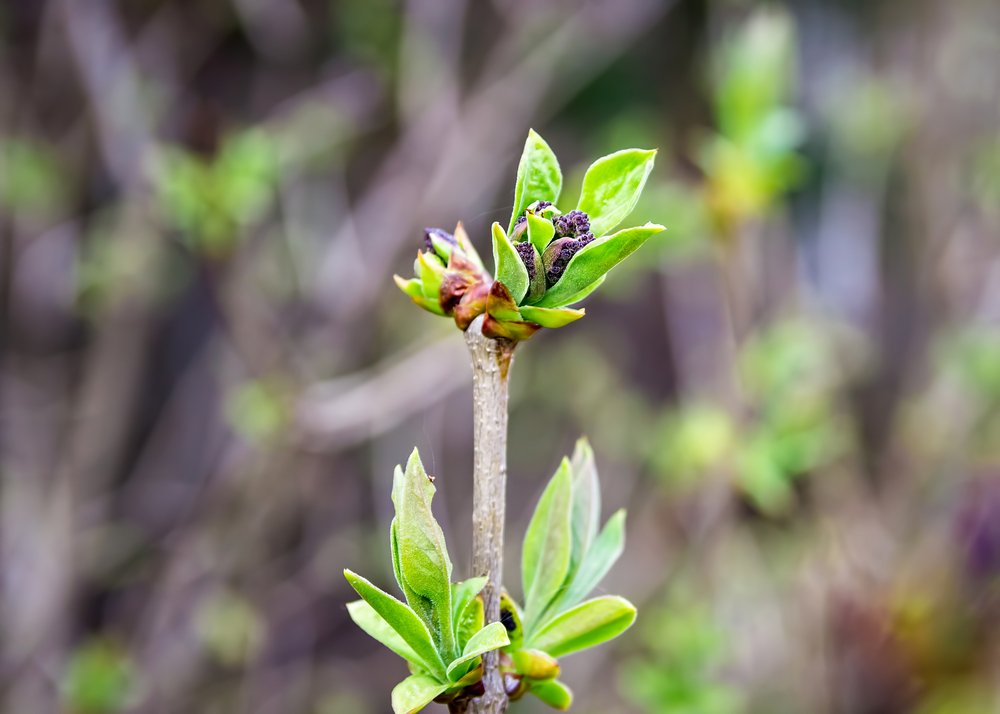
The best time to start propagating is early summer. You’ll notice many varieties are in full bloom then, but here’s a pro tip: don’t pick a branch that has flowers on it. First, let’s talk tools. Make sure your shears are razor-sharp and disinfected right before you start. Maples can be a bit dramatic when it comes to fungal diseases, so keeping things sterile is key.
- Look for young, semi-hardwood shoots (no flowers!).
- Aim for a length between 5 and 6 inches (12–15 cm).
- Make your cut just below a leaf node.
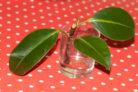
- Strip off the bottom leaves and trim any extra-large leaves in half to reduce moisture loss.
- Give the bottom ends a fresh diagonal snip.
- Dip the ends in rooting hormone to give them a head start.
Planting your cuttings
- Prep a small individual pot for each cutting. Start with a little compost at the bottom.
- Fill the rest of the pot with seed-starting mix or a 50/50 blend of potting soil and sand.
- Insert the cutting about two-thirds of the way into the soil and firm it down gently.
- Give them a drink with some lukewarm water.
- Find a warm spot with partial shade—direct scorching sun is a no-go.
- To keep things humid, pop a clear plastic bag over each cutting and tie it off.
- Don’t forget to “burp” the bag daily! Venting prevents mold and lets you check if they need more water.
- Once you see new growth on top, you’ll know they’ve rooted and you can ditch the plastic bag for good.
Pro Tip:
Stick a few tall wooden skewers or chopsticks into the soil to act as “tent poles” so the plastic bag doesn’t actually touch the leaves.
Caring for your saplings until planting day
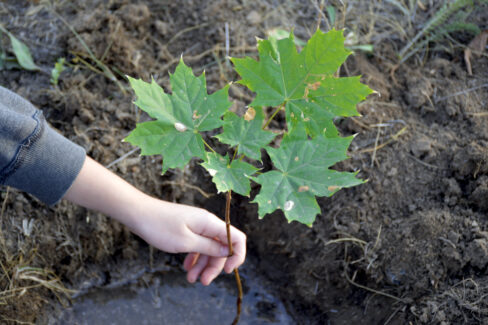
Your baby maples are still taking baby steps. By the time autumn rolls around, these saplings won’t have a strong enough root system or the winter hardiness to survive the frost. Keep them indoors for their first winter. You won’t need to worry about repotting until the roots have completely filled their current home. Once you see a third pair of leaves sprout, you can start a light fertilizing routine.
The alternative: Growing from seed
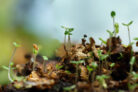
If you’re looking to start a whole forest of maples, you could try starting from seeds. Just a heads-up: this is the “slow and steady” route. It’s a bit more technical because the seeds usually need to be stratified (a cold treatment) for up to eight weeks before they’ll even think about sprouting.