If you find yourself needing to move your walnut tree to a new spot, you’re going to have to dig up the entire root system. Depending on how old and big your tree is, though, this can be a pretty tough job.
Reasons for Digging Up a Walnut Tree
Generally speaking, you want to avoid digging up and moving a walnut tree if you can help it. It’s usually a last resort, but there are a few cases where a move is actually better for the tree’s health. The most common reasons are:
- A poor location where the tree isn’t getting the nutrients it needs.
- The tree has simply outgrown its current space.
- It was planted too close to buildings, roads, or the neighbor’s property line.
Age Matters: When to Dig (and When Not To)
Moving a walnut tree is a big deal, so you should only do it if it’s absolutely necessary. The age and size of your tree will tell you whether it’s even possible.
Old, Large Walnut Trees are Nearly Impossible to Move
Older trees have such massive, deep root systems that digging them all up is almost impossible. In most cases, you’ll inevitably damage the majority of the roots, which usually causes the tree to wither away. That’s why I really don’t recommend trying to dig up a large, established walnut tree—it’s a massive undertaking that usually ends in heartbreak for the tree.
Younger, Smaller Trees are Much Easier
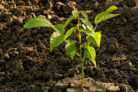
If your walnut tree is still young and small, its roots haven’t spread out too far yet. Don’t get me wrong—it’s still a lot of hard work to get all those roots out—but it’s totally doable without causing fatal damage to the tree.
How to Dig Up Your Walnut Tree
If you’re ready to make the move, here’s the best way to go about it:
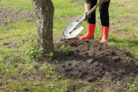
- Depending on the size of the tree, you’ll need a sturdy spade or even an axe. If the tree is a bit larger, you might even want to rent a mini-excavator.
- Dig up the tree along with its entire root ball. Try to dig as deep as possible—aim for at least 20 inches (50 cm) deep. You want to keep as much of the root system intact as you can so the tree can still soak up water and nutrients once it’s in its new home.