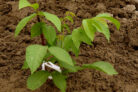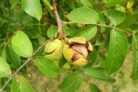
There are a few different ways to grow a walnut tree, but one of the most rewarding methods is starting one right from the nut itself. If you’ve ever wanted to try your hand at growing your own, here’s my guide on how to get it done right.
Different Ways to Propagate a Walnut Tree
If you’re dreaming of a young walnut tree for your backyard, you don’t necessarily have to head to the local nursery and drop a bunch of cash. You can actually grow your own from scratch using a walnut, or try these other methods:
Growing a Walnut Tree from a Nut
Growing a walnut tree from a nut isn’t actually that difficult, but I’ll be honest with you: it’s not always a guaranteed success. Not every nut is viable for germination. To give yourself the best shot, don’t just plant one—grab five or six nuts to increase your odds of seeing those first green sprouts. Here’s the step-by-step:
- First, remove the green outer husks. Then, give them the “float test” by dropping them into a bowl of water. This is a great trick to weed out the duds! Healthy, viable nuts will sink to the bottom, while the bad ones will float right on top.
- Fill a pot with some damp leaves. Place your “sinkers” on top of the leaves and cover them with a layer of garden soil.
- Find a bright, warm spot for your pot and make sure to keep the soil consistently moist (but not soggy!).
- Alternatively, you can sink the pot directly into your garden soil outdoors. If you do this, be sure to wrap the pot in some chicken wire or mesh to keep hungry squirrels and mice from digging up your hard work.
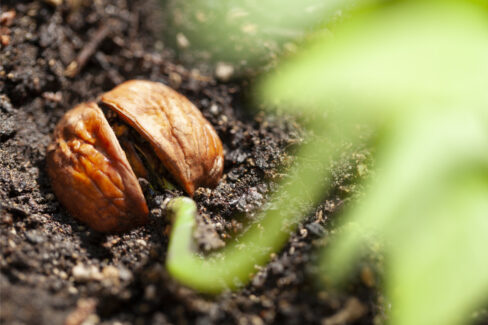
- By next spring, the viable nuts should start showing their first shoots and roots. You can go ahead and toss any that didn’t sprout.
- Carefully transplant each little seedling into its own larger pot filled with fresh garden soil.
- Keep your “baby” trees in a frost-free area. Don’t plant them directly into the ground just yet; they need to spend their first winter in a protected spot where they won’t freeze.
Caring for Your Young Walnut Trees
Make sure your young trees get plenty of water and the right nutrients to help them grow strong. Wait until after the last frost of spring to move them out into the garden, and always make sure they have enough protection from the elements while they’re still getting established.