Growing your own walnut tree can be a super rewarding project! While there are a few ways to go about it, starting one from a nut is a classic favorite—even if it does require a little patience. If you’re ready to get your hands dirty, here’s my guide on how to sprout your very own walnut tree from scratch.
Different Ways to Propagate a Walnut Tree
When it comes to propagating a walnut tree, you’ve got options. While growing from seed (the nut) is popular, you can also try:
- Growing a walnut tree from cuttings.
- Grafting a walnut tree onto a hardy rootstock.
Growing a Walnut Tree from Nuts
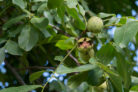
If you want to go the seed route, you’ll need to start with the right nuts. Walnuts are the fruit of the walnut tree and ripen in the fall. When they’re ready, they’ll drop to the ground on their own. Pro tip: Don’t use walnuts from the grocery store! Those are usually treated or dried in a way that kills their ability to sprout. Instead, gather 5 or 6 fresh nuts from a local tree to increase your chances of success.
Here’s your step-by-step game plan:
- Remove the nut from its green outer husk.
- Do the “float test” to weed out the duds. Drop your nuts into a bucket of water—if they sink, they’re healthy and ready to grow. If they float, they’re likely hollow or “deaf” and won’t sprout.
- Fill some pots with fresh, damp leaf mulch. Place the nuts on top and cover them with a light layer of garden soil.
- Put the pots in a bright, warm spot.
- Alternatively, you can bury the pots directly in your garden over winter. Just make sure to cover them with some hardware cloth or wire mesh to keep hungry squirrels and rodents away!
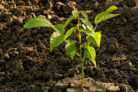
- If all goes well, the viable nuts should crack open and start sprouting by next spring.
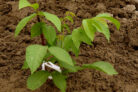
- Once the seedlings have grown a bit, transplant them into their own larger pots.
- Keep them in a frost-free area. I don’t recommend planting them directly in the ground for the first few years because young walnut trees are very sensitive to the cold.
Caring for Your Young Walnut Saplings
Until your little tree develops a strong root system and gains some height, you’ll need to keep it happy with regular watering and nutrients. Frost protection is the biggest deal here—especially in early spring, late fall, and winter. Walnut trees are notorious for being cold-sensitive, and you definitely want to protect those tender young shoots from frost damage.
I highly suggest growing your walnut tree in a pot for the first few years. It makes overwintering so much easier! Once the tree eventually outgrows its container, you can move it to its forever home in the garden where it has plenty of room to spread its branches.