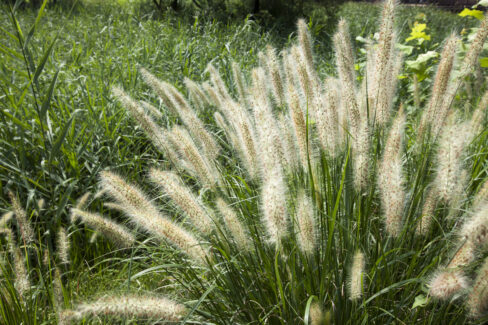
Those old, dried-out stalks on your fountain grass aren’t just for show—they actually act as a built-in winter coat for the plant. Plus, they look pretty great covered in frost! But once spring is around the corner, it’s time to clear the way for fresh growth. Here’s how to get your fountain grass ready for its big spring comeback.
When does fountain grass start waking up?
As soon as spring arrives, your fountain grass is ready to start pushing out new green blades. Once the threat of a hard overnight freeze has passed, you can start prepping the plant for a healthy, vigorous growing season.
How to help your fountain grass thrive in spring
First things first: you’ll want to remove any winter protection you used to help your fountain grass survive the cold. You can leave a thin layer of mulch at the base, though—it’s great for locking in moisture and keeping the soil from drying out too fast during the hot summer months. Depending on how you prepped for winter, this usually involves:
- Cutting back the old, dead stalks
- Raking up any straw used for insulation
- Removing garden fleece or burlap wraps
Once winter is over, those old stems are easy to prune back. You’ll want to cut the whole clump down to about 4 inches (10 cm) above the ground. Pro tip: Wear sturdy gardening gloves! These blades can be surprisingly sharp. If you skip the haircut, the new green growth will get tangled up in the old brown mess, and it won’t look nearly as tidy.
After the trim: The perfect time to divide
If you’re looking to divide your fountain grass, the best time to do it is right after pruning but before the new growth really takes off. Whether you want to propagate new plants, rejuvenate an old clump, or just keep a massive plant from taking over the yard, spring is your window.
Just grab a sharp spade and dig up the entire root ball. Then, split the roots into two to four sections. If you’re dealing with a massive, established specimen, don’t be afraid to break out an axe or a handsaw to get through those tough roots!
Once you’ve got your sections, pop one back into its original spot. Here’s a little secret: if you plant it just a tiny bit deeper than it was before, it can actually help stimulate even more new growth. The other sections can be planted elsewhere in your garden or given away to lucky neighbors!