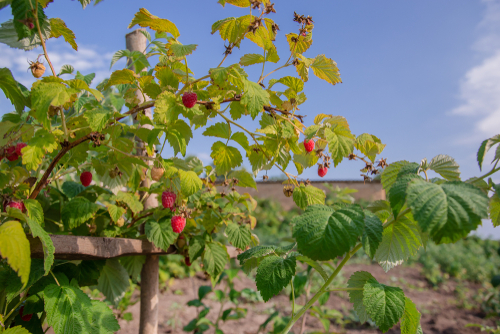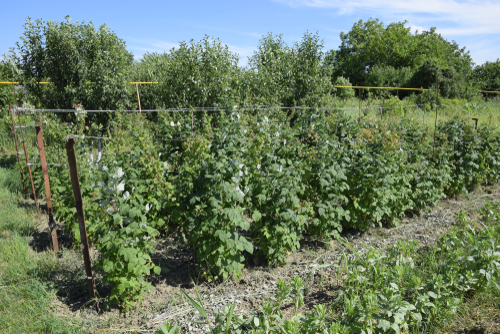
Raspberries have a bit of a wild streak—they love to grow long, lanky canes that eventually flop over onto the ground. To keep your berry patch from turning into a tangled mess, you’ll want to give your plants some structure with a trellis or support system.
The Perks of Using a Raspberry Trellis
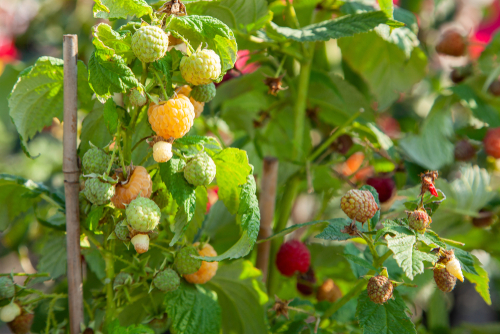
Depending on the variety, raspberries can send out some seriously long runners. If you let too many of these canes grow unchecked and sprawl across the soil, they won’t get the sunlight they need. That’s a bummer for your harvest, because shaded canes mean berries that struggle to ripen.
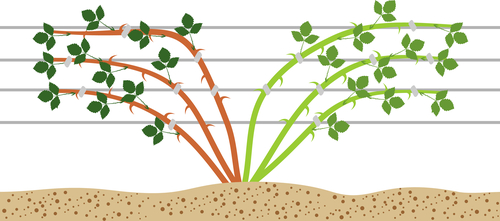
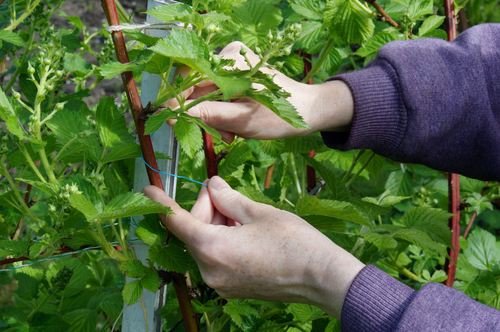
The quick fix? Secure those canes to a trellis! This keeps them spaced out so every single branch gets its fair share of Vitamin D. Plus, a trellis keeps your raspberry patch nice and compact, preventing it from taking over your entire garden and saving you some precious backyard real estate.
What Does a Raspberry Trellis Look Like?
You’ve got a few great options when it comes to materials:
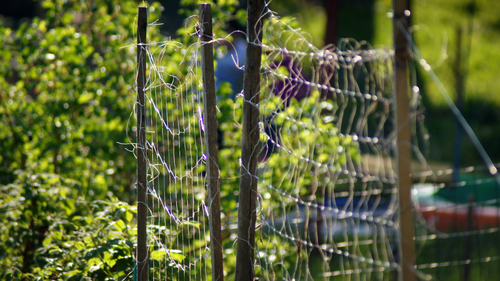
- Chicken wire or chain-link fencing
- Horizontal wire strands
- Knotted garden netting
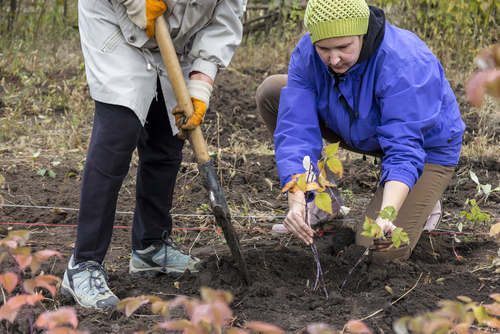
To build your own, start by digging deep holes at both ends of your raspberry row. Sink a sturdy wooden post into each hole and give it a few good whacks with a mallet to make sure it’s secure. If you’re planting a particularly long row, two posts won’t be enough—go ahead and add one or two more in the middle for extra support.
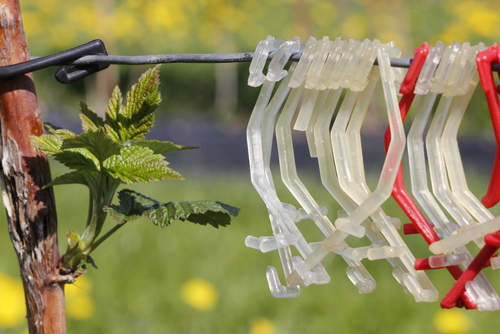
Next, stretch your wire between the posts and secure it with fencing staples or heavy-duty clips. Pro tip: Tension the wires at several different heights. This allows you to train the canes in the right direction from the moment they start growing.
A Special Setup for Fall-Bearing Raspberries
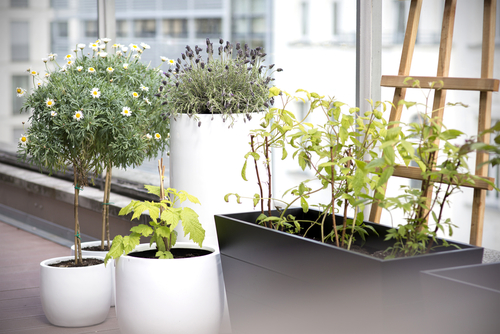
Fall-bearing (everbearing) raspberries aren’t quite as unruly as summer varieties, so a simple chicken wire setup usually does the trick. Just like before, install two wooden posts and stretch the wire mesh between them. For a little extra stability, I recommend adding one or two horizontal crossbeams.
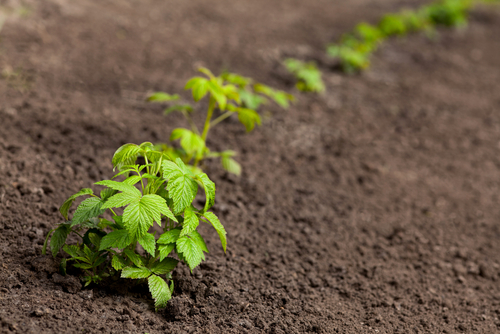
The raspberries will grow right through the openings in the mesh, which provides all the support they need. Just be sure not to plant them too close together so they have plenty of breathing room.
One last insider tip: If you grow your raspberry trellis right against a south-facing wall, you’ll likely see a much bigger harvest. The wall soaks up the sun and radiates heat back onto the plants, helping those delicious berries ripen even faster!