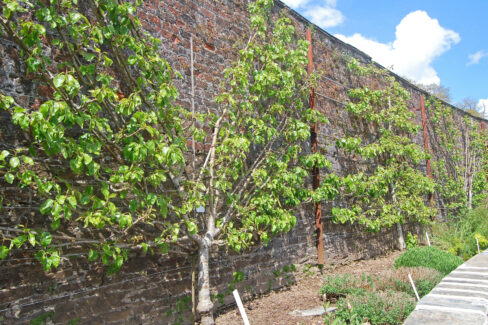
Training an apple tree into a specific shape takes a few years of patience, but trust me, the payoff is totally worth it. If you stay on top of it during those first few years and get the structure right, your tree will actually need way less maintenance down the road.
Espaliers as a Living Privacy Screen
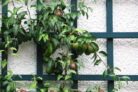
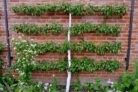
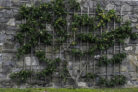
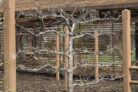
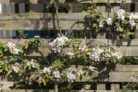
An espalier is essentially a central trunk with branches trained to grow horizontally. It’s a fantastic option if you want to plant something against a wall or a fence. While keeping up with an espalier is a bit time-consuming, it’s a total showstopper in the garden and works perfectly as a decorative privacy screen.
Setting Up Your Support Structure
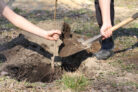
To get that classic espalier look, you’ll first need a solid support system made of wood, metal, or tensioned wires. Ideally, you want about 16 inches (40 cm) of space between each wire or rail. The best spot for this is a south- or west-facing wall. The combination of wind protection and plenty of direct and indirect sunlight makes for one happy fruit tree. Once your frame is up, you’re ready to plant and perform your initial planting cut.
How to Train Your Espalier
In the first year, pick out three strong shoots. Tie down two of them horizontally to your support, and let the middle one grow straight up as your leader. Any other stray shoots should be pruned away.
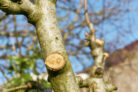
During the winter of the second year, head back that central leader to encourage more lateral branching.
- For the espalier technique, keep the main trunk growing vertically.
- From that trunk, train one branch on each side horizontally about every 20 inches (50 cm). You’ll need to physically tie the branches down to keep them level.
- Pruning the main leader is key to encouraging new side branches.
- Trim those horizontal shoots back to a healthy bud.
- Next, tie down two more branches for your next “tier.”
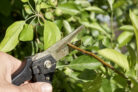
- In the summer, don’t be afraid to prune vigorously—this encourages the tree to develop short fruiting spurs.
The Stepover (Low Espalier)
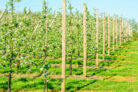
A “stepover” tree consists of just two main branches trained horizontally at a 90-degree angle, usually only about 6 inches (15 cm) off the ground. This style is absolutely perfect for creating a living border along a garden path.