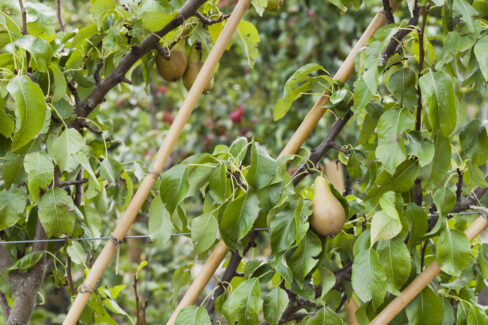
Pruning fruit trees is often one of those chores that makes hobby gardeners a little nervous. If you’ve decided to go the espalier route, that maintenance can feel like even more of a challenge. But don’t worry—we’re here to show you exactly how to train your fruit tree into a beautiful, productive espalier without the stress.
Choosing Your Training System
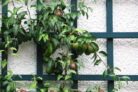
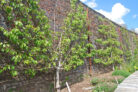
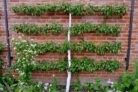
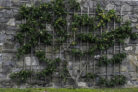
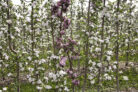
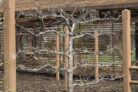
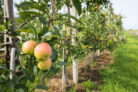
Once you’ve got your young tree in the ground, it’s time to start shaping it. There are several different training systems you can choose from. Systems like cordons and formal espaliers are a bit more time-consuming to maintain. If you’re looking for something lower-maintenance, you might opt for a fan shape or a bush tree on dwarfing rootstock, which looks more like a shrub. You’ll recognize a classic espalier by its central trunk and horizontal branches that are tied along a support frame. These are perfect for small backyards or growing along a wall or the side of your house. This method works especially well for pear and apple trees.
The Technique: How to Train Your Espalier
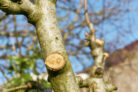
To start training your espalier, pick out three strong branches during the first year. Tie two of them down horizontally to your support wires and let the middle one grow straight up as your leader. You can go ahead and remove any other branches. In the second year, prune that central leader during the winter to encourage new branching. It’s best to cut just above where you want your next set of horizontal arms to grow. In the summer, take the next two shoots and tie them down horizontally. Just keep repeating this process until your tree has reached the number of “tiers” you want.
When is the Best Time to Prune?
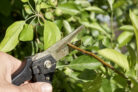
For an espalier, you’ll want to do your main pruning in the summer. This helps the tree develop short fruiting spurs and keeps its overall vigor in check. While you’re building those horizontal branches year by year, don’t forget to give the older branches some love, too. Side shoots will often sprout “secondary” shoots with lots of leaves. In July, trim these soft, current-year shoots back to about 4 or 5 leaves. If they’re getting too crowded, thin some out entirely. Just be careful not to cut back the older fruiting spurs—that short, stubby wood is where your fruit will grow!
Don’t Forget the Support System
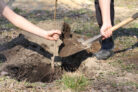
Whether you’re planting against a wall or a fence, espalier fruit always needs a sturdy trellis or framework to hold onto. Make sure to get your support system anchored in the ground before you start planting. If you’re feeling handy, you can easily build your own support frame with just a few supplies from the local hardware store.