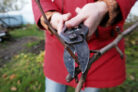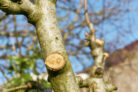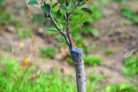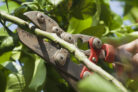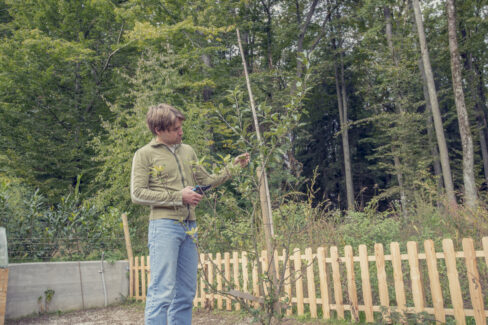
If you want a harvest full of juicy fruit and a backyard covered in those iconic, dreamy blossoms, a little strategic pruning is your best friend. There’s nothing quite like the sight of an apple tree in full bloom to brighten up your garden—and the homegrown apples later on make every bit of effort totally worth it!
Caring for Your Young Apple Tree
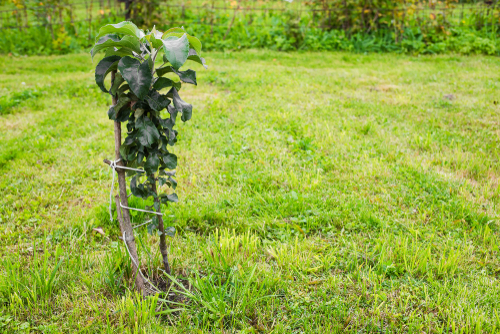
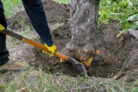
If you’ve just planted a young apple tree, the first few years are the most important for its long-term health. Right after it goes in the ground, your focus should be on the initial planting cut, followed by training cuts as it grows. If you handle these correctly during the first 10 years, your job gets much easier later on—after that, you’ll mostly just be doing some light thinning to keep the air flowing.
Choosing the Right Shape for Your Space
How you want your tree to look is really up to you and the space you have. For example, an espalier (training the tree to grow flat) is a fantastic choice for planting against walls or fences. You can go with a “slanted” look or a “U-shape.” A U-shaped espalier usually has a short trunk with horizontal branches that eventually turn upward. These can grow up to 11 or 12 feet tall and look absolutely stunning.
The First Cut: Pruning at Planting
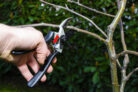
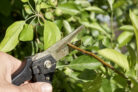
I know, I know—cutting back a brand-new tree can feel a little scary! But once you know the basics, it’s a breeze. You’ll want to do your first pruning in the spring immediately following planting. Since higher branches tend to grow faster than lower ones, the trick is to prune them all back to roughly the same level. This helps the tree distribute its energy evenly so all the branches grow strong together.
Maintaining Your Young Tree
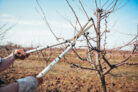
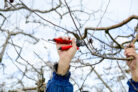
In the years following that first cut, you’ll continue pruning in a similar way until the “skeleton” or framework of the canopy is well-established. As the tree gets older, you can actually start pruning it less and less each year. By the second year, you’ll need to start trimming the side shoots growing off your main branches. In mid-summer, make sure to completely remove any “competing” shoots (those vertical ones trying to take over). You should also cut back any branches growing from the top of a limb toward the center of the tree to keep the middle open.
Setting Your Tree Up for Success
The goal during these early “training years” is to maintain one clear central leader (the main trunk extension) and develop three to four strong primary branches where your fruiting wood will grow. It’s worth taking the time to get this right early on. If you nail the training phase, your apple tree will be set up for a long, healthy, and productive life!