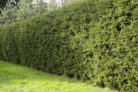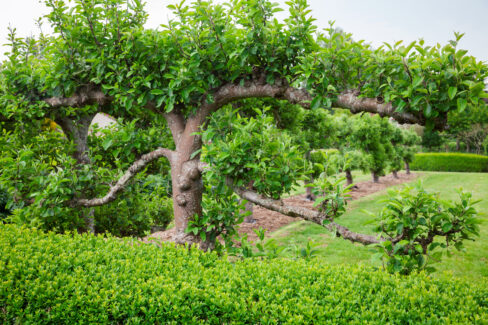
Hedges are the go-to choice for most homeowners looking to define their property lines. But before you start digging, here’s a pro tip: check your local zoning laws or HOA rules first! You’d be surprised how often a new hedge can spark a neighborhood feud, and nobody wants that.
The Beauty of Espalier Trees
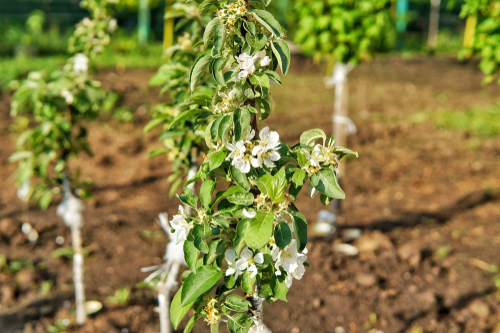
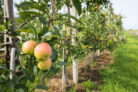
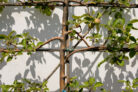
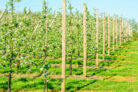
When you think of a hedge, plants like privet, arborvitae, or cherry laurel probably come to mind. But have you ever thought about an edible hedge? Fruit trees are a fantastic alternative, especially when grown in an “espalier” style. In an espalier, the branches are trained to grow horizontally (at a 90° angle) along a flat frame or trellis. It’s a huge space-saver and, if you give them a little TLC, these trees can produce a massive harvest. Depending on the rootstock, an espalier hedge can reach heights of up to 11 feet!
Getting the Spacing Just Right
One of the best parts about this setup is that you can mix and match different types of fruit right next to each other. Usually, when planting espalier fruit trees, you’d want a spacing of about 3 feet between them. However, if you’re specifically building a hedge for a lush, green privacy screen, you can tuck them in a little closer. Just keep in mind that if you want a bumper crop of fruit, sticking to that 3-foot rule is best. The cool part? You can usually expect to start harvesting your own homegrown fruit by the second year!
Choosing the Right Varieties for Pollination
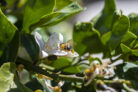
When picking your trees, you need to play matchmaker. It’s important to know if your trees are self-pollinating or if they need a “partner.” Apple trees, for example, almost always need a different variety nearby to act as a pollinator. These aren’t self-fertile, meaning they can’t produce fruit using their own pollen. To get those blossoms to turn into apples, you need bees and other helpful insects to carry pollen from a different variety over to your tree. Honeybees do the heavy lifting here, making them the MVP of your backyard orchard.
Location, Location, Location
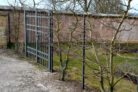
Before you fall in love with a specific fruit variety, take a good look at your soil. Not every tree is going to thrive in every spot. If you’re unsure, your local nursery is a great resource for advice. Generally speaking, most fruit trees are sun-worshippers and love a warm, bright spot. Varieties like pears, figs, plums, or apricots especially love being planted near a south-facing wall where they can soak up the reflected heat.