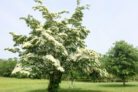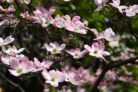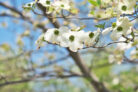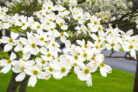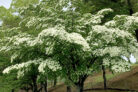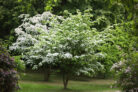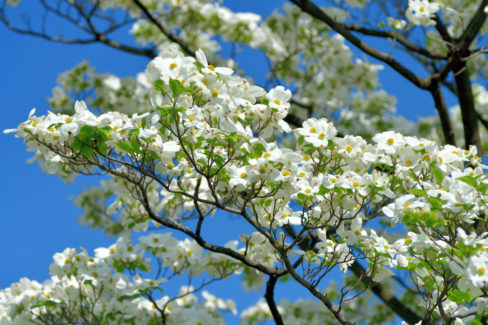
Most dogwood varieties are total showstoppers, known for their lush, dense growth and absolutely stunning blooms. Of course, depending on which variety you pick for your yard, those flowers can look quite different!
A Closer Look at the Blooms
For the most part, dogwood flowers vary mainly in color, size, and how they’re arranged on the branches.
Mostly White Blooms
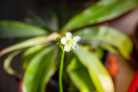
The majority of dogwood species produce delicate white flowers. While the individual blossoms aren’t huge, they grow in clusters—depending on the variety, these might look like flat-topped umbels, airy panicles, or tight little button-like heads. If you look closely, each tiny flower typically has four sepals and four petals.
Splashes of Color
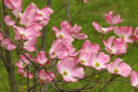
While white is the classic choice, nature likes to mix it up! You can also find dogwoods with yellow or even pink blooms. If you’re looking for something truly unique, the Bunchberry (Cornus suecica) features deep violet flowers. However, this little guy isn’t a common sight in most backyard gardens since it has very specific growing needs.
The Show-Stopping Flowering Dogwoods
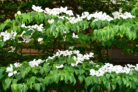
If you really want that “wow” factor, you’re probably looking for the Flowering Dogwoods. Here’s a little secret: the actual flowers are just as tiny as the other varieties, but they are surrounded by massive, petal-like “bracts” (specialized leaves) in white or yellow. These bracts can reach up to two inches long and are what give the tree its iconic look. Some fan favorites include:
- The American Flowering Dogwood (Cornus florida), which boasts classic white or soft pink blooms.
- The Pink Flowering Dogwood (Cornus florida ‘Rubra’), famous for its large, 4-to-5-inch rosy-white flowers.
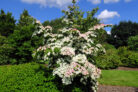
- The Kousa Dogwood (Cornus kousa), featuring white to light pink blooms that can reach nearly four inches across.
- The Chinese Dogwood (Cornus kousa var. chinensis), known for being absolutely covered in a sea of white blossoms.
When Do They Bloom?
For most dogwoods, the bloom season hits its peak in May and June. The big exception is the Cornelian Cherry, which gets a head start and begins flowering much earlier in the spring.
What if Your Dogwood Isn’t Blooming?
If your shrub isn’t putting on a show, it might be unhappy with its location (maybe too much shade or poor soil). But more often than not, the secret ingredient is just patience! Dogwoods are late bloomers and often won’t produce their first flowers until they are between six and nine years old.