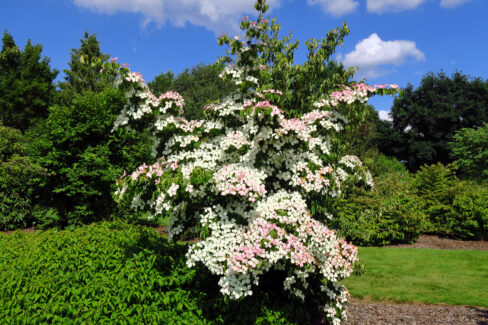
Even the stunning flowering dogwood isn’t completely invincible when it comes to diseases. But don’t worry—if you know what to look for, you can catch issues early and get your tree back to its beautiful, healthy self in no time. Here’s how to spot the common culprits and treat them effectively so you can enjoy those blooms for years to come.
Common Diseases Affecting Flowering Dogwoods
Flowering dogwoods are most often targeted by a few specific fungal infections. One of the most common is Powdery Mildew. You’ll recognize this one easily: it looks like a thin, white dusting of flour or morning dew coating the leaves. The good news? It’s pretty easy to treat. A simple home remedy is to spray the leaves with a mixture of milk and water—the enzymes in the milk help zap the fungus right off.
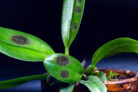
The other two big ones to watch out for are Anthracnose and Leaf Blight. You’ll know you’re dealing with these if you see strange discolorations on the leaves or patches of dying tissue. Often, an infected tree will fail to bloom altogether. If you spot these symptoms, you need to act fast. Your best bet is to prune away any infected branches immediately, leaving only the healthy wood behind.
Here’s how to handle the pruning:
- Always use sharp, sterilized pruning shears.
- Cut back every single branch that shows signs of infection.
- Don’t compost the clippings! Burn them or seal them in a trash bag so the spores don’t spread.
How to Prevent Dogwood Diseases Before They Start
The best offense is a good defense! Start by picking the perfect spot for your flowering dogwood and try to prune it as little as possible. A happy, well-fed tree that isn’t stressed by unnecessary cutting is much more resistant to disease. Just make sure it gets the right amount of water and nutrients.
If you’re worried about pests, I always recommend taking the natural route. Instead of reaching for harsh chemicals, try introducing “beneficial insects” like lacewings or parasitic wasps. You can easily order these online or find them at specialty garden centers.
These little helpers get the job done without leaving any nasty chemical residue on your plants. Another pro tip: when you’re shopping for a new tree, look for disease-resistant varieties. Starting with a hardy cultivar is one of the easiest ways to keep your garden headache-free!