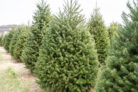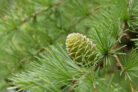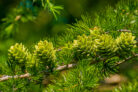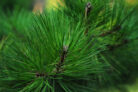
The Douglas fir is famous for its gorgeous needles, providing a lush splash of green in the garden all year round. If you’re looking to get to know this tree better, understanding its needles is the best place to start. Their appearance can actually tell you a lot about the tree’s overall health. Here’s everything you need to know to become a Douglas fir expert.
What Douglas Fir Needles Look Like
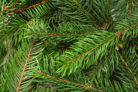
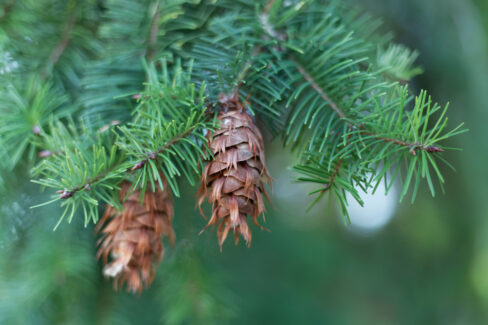
The Douglas fir is a member of the pine family and sports thin, vibrant green needles. One of the coolest things about this tree is how its color shifts as it ages. In its younger years, the foliage has a bright, lime-green vibe. As the tree matures, the needles on the branches transition into a deeper, richer forest green with a subtle blue tint. It’s this unique color palette that makes the tree a favorite for gardeners worldwide.
Typical characteristics of the needles:
- Shape: Flat and flexible (not prickly!)
- Growth habit: Needles grow individually directly from the twigs
- Size: Usually between 1 and 1.5 inches long
You’ll also notice the color changing throughout the seasons on this plant. The fresh needles that emerge on new shoots in the spring are a delicate, pale green. Over time, they’ll darken into that signature blue-green hue. So, if you see different shades of green on your tree in the spring, don’t panic—it’s just healthy new growth!
Scent and Creative Uses for the Needles
Just like many other conifers, Douglas fir needles are packed with essential oils that release a wonderful aroma. If you crush a few in your hand, you’ll notice a distinct, refreshing scent that smells a lot like lemons. Interestingly, these needles aren’t just for smelling—they’re actually edible and completely non-toxic, which opens up some fun culinary possibilities.
Here are a few ways to use the needles:
- Blending into green smoothies for a fresh kick
- Infusing into spirits or cocktails
- Using them as a citrusy herb to season savory dishes
- Brewing a unique, forest-flavored tea
That pleasant fragrance is also great for DIY spa projects. You can mix the needles into homemade bath salts or fill small sachets with them to freshen up your linens. For the best results, use the needles while they’re fresh, as that’s when the essential oils are most potent.