Even the most massive Douglas fir started out as a tiny little seed. Don’t let their size fool you, though—these little guys are pretty impressive! If you’ve ever wondered about how they grow or what you can actually do with them, you’re in the right place. Here’s the lowdown on everything Douglas fir seeds.
What do the seeds look like?
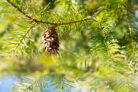
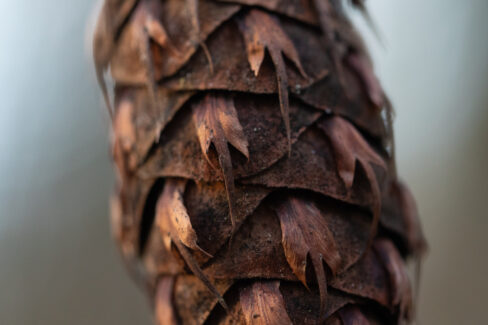
You won’t actually see the seeds of a Douglas fir just by glancing at the tree. They spend their early days tucked away inside the tree’s cones. It’s only when the seeds are fully mature that the cones open up to release them. A quick pro-tip: if you’re planning on growing your own tree, don’t go picking the cones too early. If the seeds aren’t ripe, they won’t germinate, and you’ll be left with a handful of duds.
Here’s what to look for:
- Size: About 1/4 inch (6 mm) long.
- Shape: They come with a little “wing.”
- Feature: The wing is actually longer than the seed itself, which helps them catch the wind.
How to harvest them
Keep in mind that a young Douglas fir isn’t going to give you seeds right away. These trees are late bloomers, usually taking at least 15 years before they flower for the first time. But once you start seeing those iconic cones, you can bet there are seeds inside.
Starting in September, keep an eye out for the cones to open up. That’s your signal that the seeds are ready to go. You can either gather the seeds as they fall or collect the fallen cones and shake the seeds out. Usually, if the cone has dropped to the ground on its own, the seeds are ripe and ready for action.
What can you do with Douglas fir seeds?
I’ll be honest with you: growing a Douglas fir from scratch isn’t exactly a walk in the park. To get them to sprout, you have to go through a process called stratification (basically mimicking a cold winter). Even then, Mother Nature doesn’t guarantee a 100% success rate. If you’re looking for a shortcut, buying saplings from a nursery is definitely the easier route.
But seeds aren’t just for planting! Did you know they’re actually edible? They have a unique flavor that works great in both savory dishes and desserts. If you really want to level up the taste, try roasting them—it brings out a wonderful, nutty aroma that’s hard to beat.