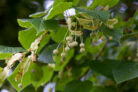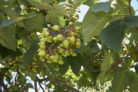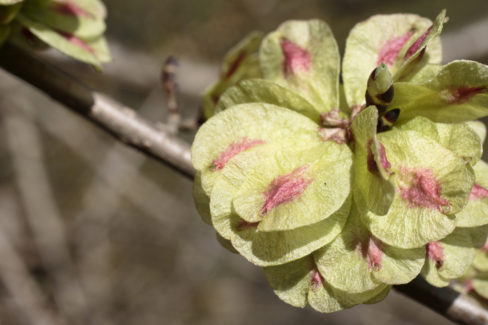
Elm seeds develop inside small, nut-like fruits. Once they’re fully ripe, the wind catches them and carries them off to find a new home. But these seeds aren’t just for growing new trees—they’re actually one of the best ways to tell different elm species apart!
What Elm Seeds Look Like
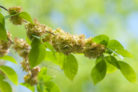
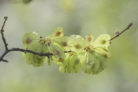
Elm seeds grow inside the tree’s fruit, and they have a pretty unique look that makes them easy to spot compared to other deciduous trees.
- The seed itself is flat and encased in a papery, wing-like casing called a “samara.”
- This wing completely surrounds the seed to help it catch the breeze.
- Depending on the species, the seed sits either right in the center or off toward the edge of the wing.
Spotting the Difference
You can actually identify which elm you’re looking at just by checking where the seed sits inside that papery wing. For example, the seed of the Wych Elm is tucked right in the middle, while the seed of the Field Elm sits closer to the edge of the wing.
How They Spread
Elm seeds are nature’s little gliders. As soon as they’re ripe, the fruit releases them, and the wind does the rest of the work, scattering them across the landscape.
Growing Your Own Elms from Seed
If you want to try your hand at growing an elm tree, you can definitely do it from seed! You can go foraging for them yourself or pick up a packet at your local garden center. Just a heads-up: fresh elm seeds don’t stay viable for very long. You’ll want to plant them in a starter tray almost immediately after gathering them.
Since elm seeds are “light germinators,” don’t bury them under the soil. Just press them onto the surface so they can still see the sun. Keep the tray in a bright, warm spot and make sure the soil stays consistently moist. With a little luck, you’ll see those first green sprouts in just a few weeks!
Did You Know They’re Edible?
Just like the rest of the elm tree, the seeds are perfectly safe to eat. To be honest, they’re a bit mild and don’t have a ton of flavor on their own, but they have a nice, soft texture. They make a great nutritious topping for salads or cooked dishes. If you’re feeling adventurous, you can even dry them out and grind them into a fine powder to use as a supplement!