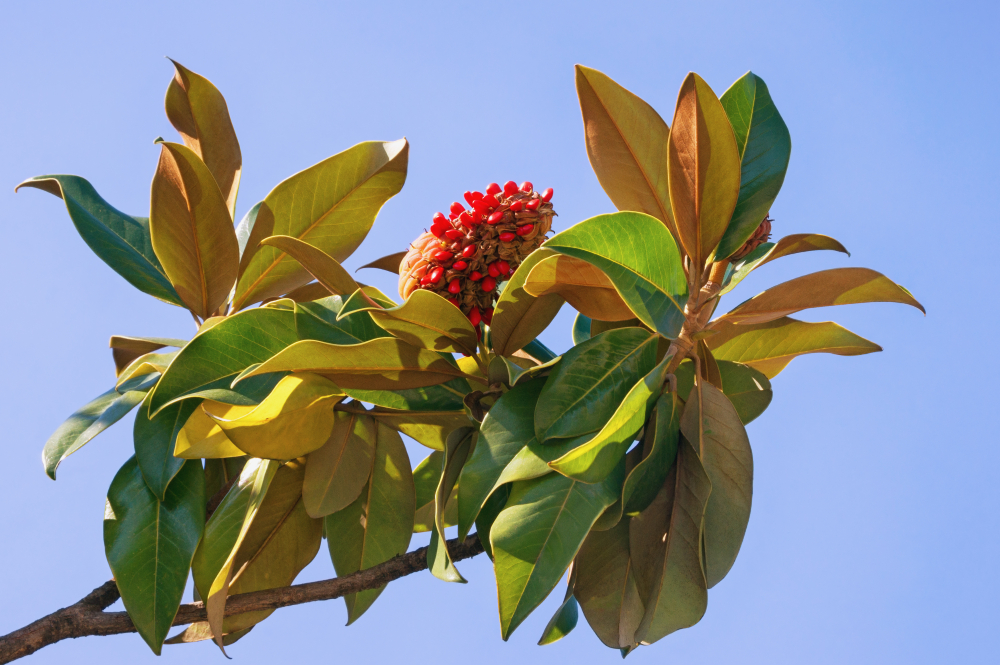
Magnolias aren’t just famous for those stunning spring blossoms; once the flowers fade, they produce some seriously cool-looking fruit. While they add a unique flair to your garden well into the fall, there’s a catch: they’re toxic, so definitely keep them off the dinner table! Still, they give the tree a second wind of visual interest long after the petals have dropped.
A Truly Unique Fruit
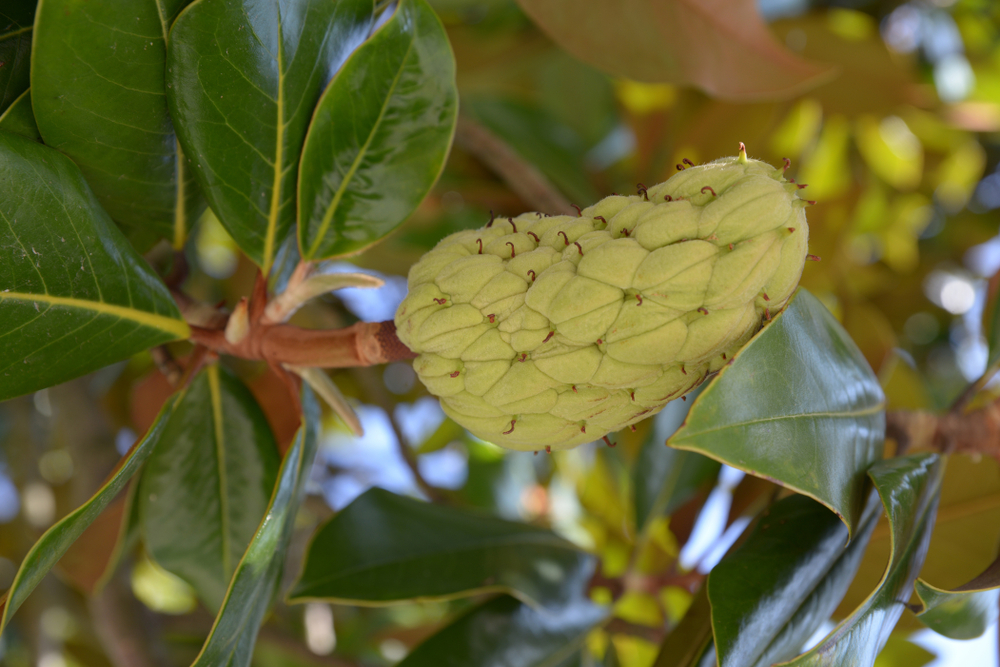
In the early stages, a magnolia fruit looks a lot like a pine cone. This makes sense when you realize they belong to a group called “follicles.” These are actually some of the most ancient types of fruit on the planet! They’re often called “dehiscent” fruits, which is just a fancy gardening term meaning they split open at maturity. Just like a pine cone opening up, the magnolia fruit body cracks open to reveal the seeds inside once they’re ripe.
A Real Showstopper
The fleshy coating on the seeds inside those “cones” is a brilliant, fiery red. This pop of color ensures your magnolia stays the star of the garden even as the seasons change. Shape-wise, the individual seeds look a bit like flattened chestnuts, and they’re actually held to the fruit casing by tiny, thread-like filaments. However, because they contain an alkaloid called magnoflorine, these fruits are toxic to humans. While birds in the magnolia’s native habitats across East Asia and the Americas love to snack on them, you won’t see local birds in Central Europe go for them quite as often.
Edible Blooms
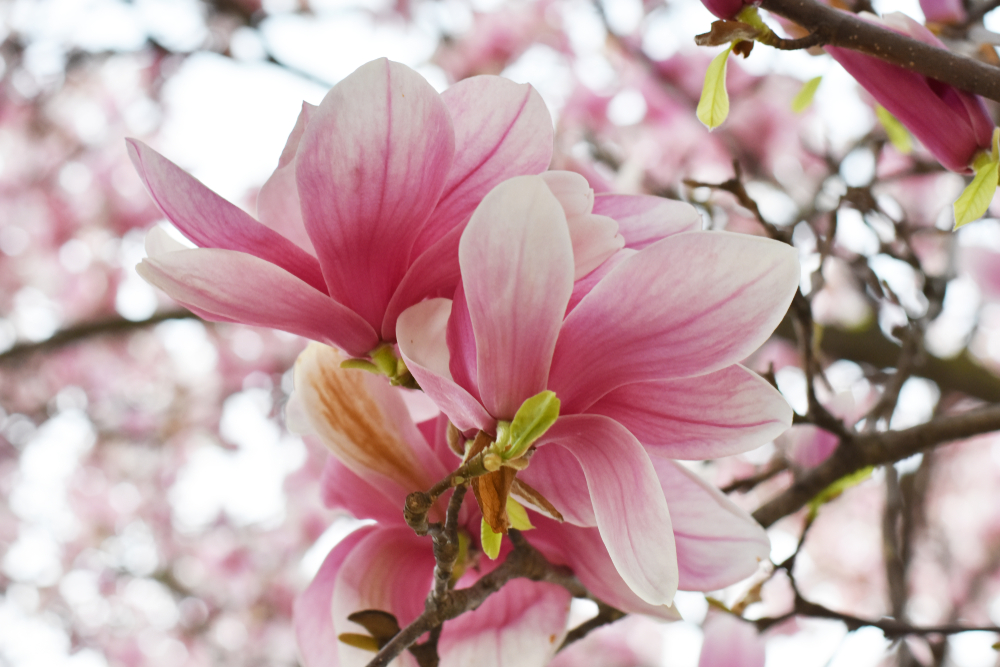
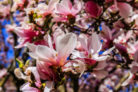
Here’s a fun twist: while the fruit is a no-go, the flowers are actually edible! In fact, fried petals from varieties like *Magnolia cylindrica* and *Magnolia hedyosperma* were once considered a rare delicacy in the Chinese imperial court—reserved specifically for the Empress. Beyond the kitchen, magnolia flower buds and bark have been used for centuries in Traditional Chinese Medicine as a natural way to promote calm and relaxation.
To wrap things up, here’s the quick lowdown on magnolia fruit:
- They are toxic and should never be eaten.
- They occasionally serve as a snack for local birds.
- If you’re looking for something edible, stick to the blossoms!