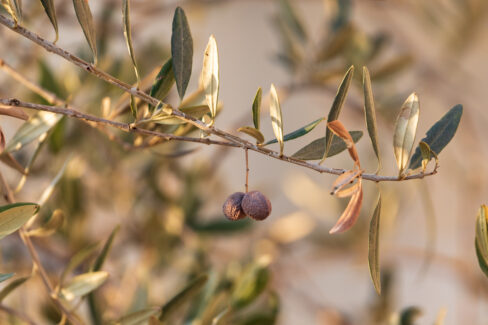
In their native Mediterranean home, olive trees are used to hot, dry weather and can handle a bit of a drought. But don’t let that fool you—they still need a steady supply of moisture to stay healthy. If they get too thirsty, they’ll start to dry out, but surprisingly, there are a few other reasons your tree might be looking a little crispy.
Why is My Olive Tree Drying Out?
If you notice the branches and leaves on your olive tree starting to wither, it’s usually down to one of these common culprits:
- The soil in your potted tree has gotten bone dry.
- You’re actually giving it too much water.
- The tree suffered through a hard frost.
- Its winter home was way too warm.
The Wrong Winter Spot
I see this happen a lot: olive trees start drying out during or right after winter. This usually happens when someone tries to keep their tree in a cozy, room-temperature spot indoors. The problem is that olive trees need a “dormancy” period to rest. If it’s too warm, the tree never gets that break, which messes with its ability to move nutrients through its branches. To keep your tree happy, find a bright spot for the winter where the temperature stays cool—ideally right around 50°F (10°C).
Too Much Love (and Water) Can Kill
Another big reason branches start to dry out is actually overwatering. It sounds counterintuitive, but too much water is just as dangerous as too little. If the soil stays soggy, the roots can quickly develop rot. Once root rot sets in, the tree can no longer “drink” or take in nutrients, causing the top of the tree to dry out. Unfortunately, once the root system is gone, it’s usually game over for the tree, so always make sure your pot has great drainage!