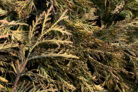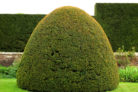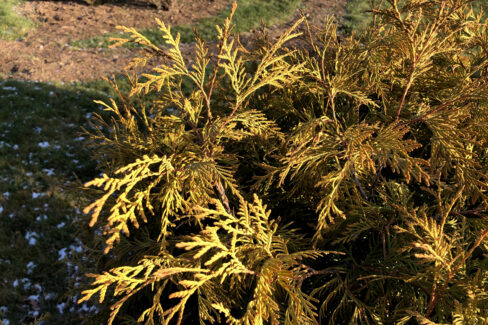
If your yew tree’s lush green needles are starting to turn a dusty brown, it’s usually a cry for help—specifically, it’s thirsty. But “thirst” in a yew isn’t always as simple as a lack of rain. Today, we’re going to dive into what causes these evergreens to dry out and how you can step in to save them. With a little TLC, you can absolutely nurse a struggling tree back to health.
How to Spot a Thirsty Yew
Dryness can stem from a bad planting spot, tough weather conditions, or even a few common gardening mishaps. The good news? You don’t have to wait until the tree is a goner to take action. The yew usually sends out some early warning signs that it’s struggling.
Keep an eye out for these red flags:
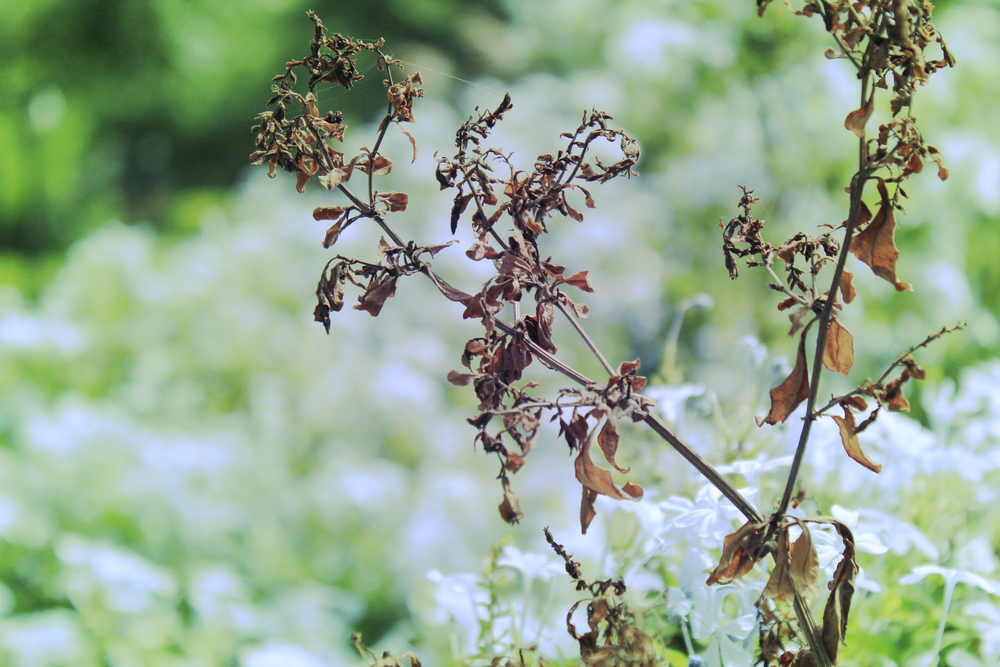
- Needles turning brown
- Noticeable needle drop
- Brittle, drying branches
You can tell a branch is truly “dead-dry” if it snaps easily with a crisp pop. If you look at the break, you’ll see there’s no sap left inside. Once a branch reaches this point, it can’t transport water to its needles anymore. If you’re unsure, go ahead and prune back the brittle stuff, but leave the healthy, flexible wood alone. As long as you fix the underlying water issue, the yew is surprisingly resilient and will start growing again.
Why Is My Yew Drying Out?
The most obvious culprit is the soil. During long summer heatwaves, the ground can lose its moisture fast. While old, established yews have deep taproots that can reach water way down in the earth, younger trees don’t have that luxury and can dry out quickly. Also, keep in mind that a planting site in harsh, direct midday sun will make your yew lose moisture much faster than one in partial shade.
Here’s a plot twist: sometimes a tree dries out because it’s *too* wet. Waterlogging causes yew roots to rot. When the roots rot, they can’t “drink” anymore. So, ironically, the tree dies of thirst while standing in a puddle. To avoid this, make sure your soil is well-draining or add a drainage layer (like gravel or grit) when planting.
Finally, don’t forget about “winter burn.” Even in the cold months, those evergreen needles are busy evaporating moisture, especially on sunny winter days. If the ground is frozen solid, the roots can’t pull up water to replace what’s lost. If you’re having a particularly sunny, dry winter, give your yews a good soak on days when the ground isn’t frozen. It makes a world of difference!