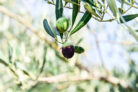
On one hand, olive trees are incredibly tough, long-lived plants that can handle a lot. On the other hand, our local climate isn’t exactly what they’re used to back home in the Mediterranean. That’s why it’s super important to keep a close eye on your olive trees so you can jump into action the moment something looks off.
Post-winter is often the danger zone
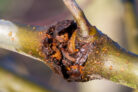
When it comes to diseases and pests, the most critical time for an olive tree is right after winter. Since most of us grow our trees in pots, we usually have to move them indoors or to a sheltered spot to keep the soil from freezing solid. By the time they’re ready to head back outside in the spring, they’re often a bit weakened, making them prime targets for pests and diseases.
Scale insects: A common headache
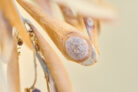
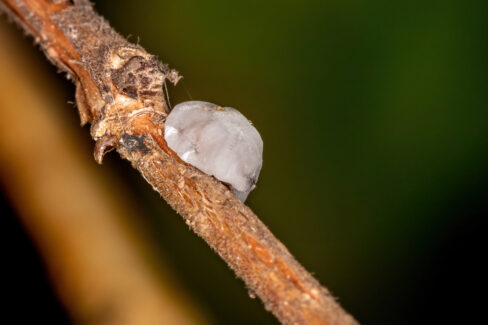
One of the most frequent issues you’ll run into during this phase is an infestation of scale insects. You’ll usually spot them first as a weird, whitish coating on the leaves. If you miss those early warning signs, the leaves will start to dry out and curl up. Standard pesticides don’t always do the trick here. Your best bet is prevention: make sure your tree spends the winter in a spot that is as cool and bright as possible. Scale insects hate those conditions!
Other pests and diseases to watch for
Scale isn’t the only thing that might crash the party. For both scale and spider mites, a great natural remedy is wiping down the leaves with a homemade stinging nettle tea (it sounds old-school, but it works!). Olive trees can also fall victim to fungal issues like “peacock spot.” If you see those tell-tale spots, you’ll likely need to use a copper-based fungicide. Just keep in mind that if the leaves are drying out and falling off, it could be the fungus—but it could also just be that your tree is thirsty during a long dry spell.
To keep your olive tree happy and healthy, remember these quick tips:
- Prevent scale insects by choosing a cool, bright spot for winter storage.
- Fight off scale and mites with a natural stinging nettle treatment.
- Treat fungal infections promptly with a suitable fungicide.