There are three main pests that can really rain on your carrot-growing parade. But don’t worry! You can fight back using organic methods and smart companion planting to keep your garden thriving.
The Carrot Rust Fly
The carrot rust fly is probably the biggest headache for carrot lovers. These flies lay their eggs right at the base of the plant, and once those larvae hatch, they head straight for the roots to feast. Sometimes the damage is so bad the carrots die right in the bed, but it’s even more frustrating when you don’t realize there’s a problem until you’re harvesting your carrots and find them full of tunnels.
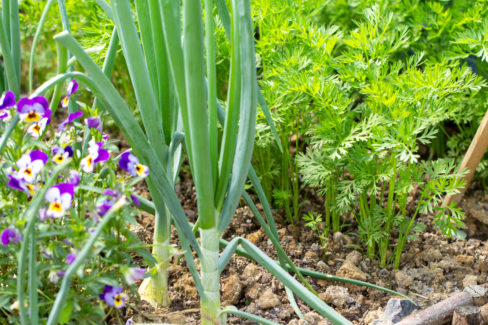
To keep these flies away from your precious roots, try the “buddy system.” Plant a row of carrots followed by a row of something from the onion family. It doesn’t really matter which one you pick—the strong scent of the onions acts like a natural “no vacancy” sign for the rust fly.
Great onion-family companions include:
- Green onions (scallions)
- Pearl onions
- Large bulb onions
- Shallots
- Leeks
The Carrot Leaf Miner
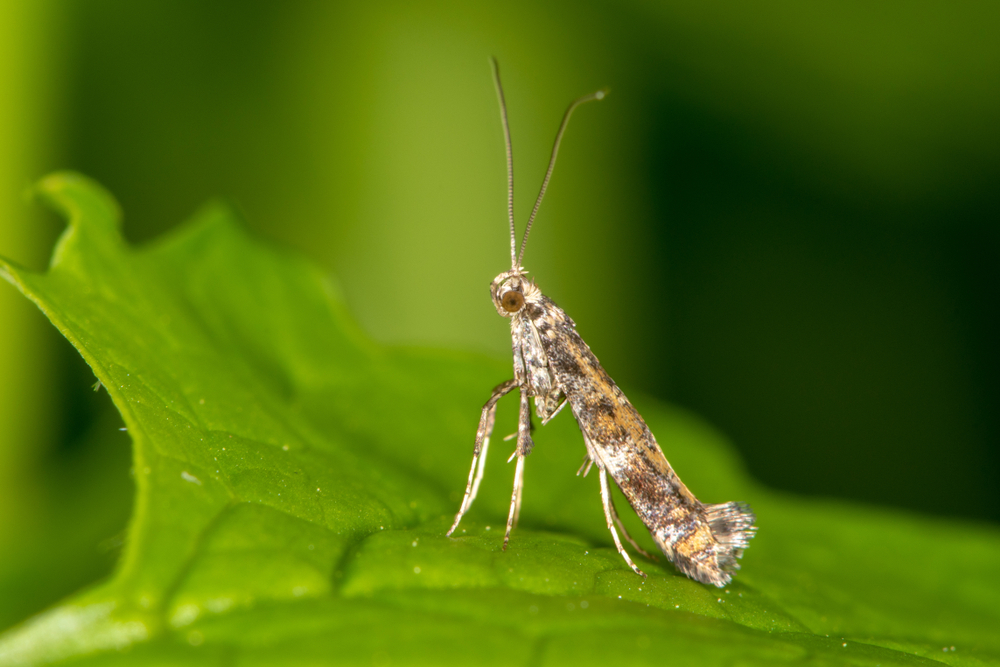
Don’t confuse this one with the rust fly! The leaf miner lays its eggs directly on the carrot leaves. Once the larvae hatch, they tunnel through the foliage and eventually work their way down to the top of the root. Keep a close eye on your carrot tops; if you see light-colored, winding trails on the leaves, that’s a red flag. Snip those leaves off immediately and toss them in the trash (not the compost!).
The best way to prevent these guys is to use a fine garden mesh or row cover. Unlike the rust fly, leaf miners aren’t bothered by onions. Your best bet is to stay vigilant and remove any infested leaves quickly to stop them from spreading.
The Japanese Beetle
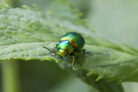
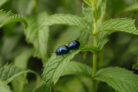
The Japanese beetle is an invasive species that isn’t just a threat to carrots—it loves to munch on fruit trees and wild plants, too. Honestly, they can be tough to manage, but one trick is to give your soil a good turn or mechanical cultivation in the fall. This exposes the larvae (grubs) and lowers their chances of surviving the winter.
These beetles are especially problematic if you’re planning to overwinter your carrots in the garden, as the roots become an easy snack for them.
While there isn’t a “silver bullet” organic spray for them yet, you can manually destroy any grubs you find while tilling the soil. It also helps to make your garden a sanctuary for natural predators like birds, hedgehogs, or even moles, as they love to snack on beetle larvae. Since Japanese beetles are a major threat to commercial farming, you should always report a sighting to your local agricultural extension or plant protection service.