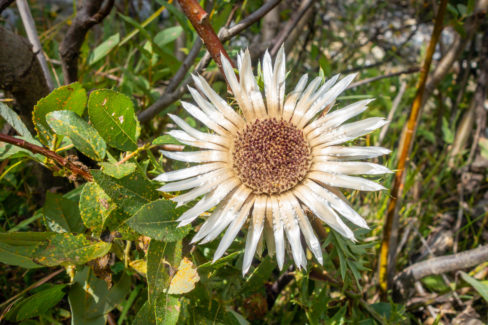
Silver thistles (also known as Carline thistles) are fascinating members of the daisy family that can be annual, biennial, or perennial, depending on the variety. While they grow wild in many parts of the world, here’s a quick heads-up: most of the 20 known wild species are actually protected. That means no picking or digging them up if you spot them on a hike! Luckily, you can find specific varieties at specialty nurseries to grow in your own backyard. If you’re successful, these beauties make some of the best dried flowers for home decor.
Which Silver Thistle is Best for Drying?
In the wild, you’ll usually find the Stemless Carline Thistle tucked away in mountain meadows or on rocky slopes. During the summer, it shows off a stunning bloom with silvery-white bracts. It’s gorgeous, but definitely prickly—which is why hikers are often tempted to pick them. Since they are strictly protected by law, you should leave the wild ones alone. For your crafting needs, look for the subspecies *Carlina acaulis ssp. simplex*. This variety grows stems about 8 to 12 inches tall, making them much easier to cut and dry for arrangements.
Location, Soil, and Care
If you want your Carlina to thrive, think “sunny and lean.” A bright spot in a rock garden with nutrient-poor, lime-rich, and loose soil is perfect. Once these thistles have settled in, they are incredibly low-maintenance. They are very hardy and can handle dry spells like a champ. You don’t even need to prune them; their leaves actually serve as a natural winter coat. When you’re ready to dry them, wait for a sunny day to harvest the blooms.
How to Dry Them Properly
The easiest way to preserve your thistles is air-drying. Here’s the best way to do it:
- Cut the flowers with the longest stems possible.
- Tie smaller specimens into bunches, but hang larger thistles individually.
- Find a spot that is dark, airy, and not too chilly to hang them upside down.
- Alternatively, you can lay them on a wire rack. Just make sure the rack is elevated on “feet” to allow for good airflow.
- Give each flower plenty of elbow room so they don’t get crowded.
Drying with Laundry Detergent or Silica Gel
If you want to speed things up, you can use common laundry detergent or silica gel beads to pull the moisture out of the plants. If you’re just doing one or two flowers, laundry detergent is a cheap hack most of us already have in the laundry room. If you plan on drying flowers often, silica gel is a great investment because you can reuse it over and over. Here’s the process:
- Take an opaque, airtight container and cover the bottom with a layer of detergent or silica gel.
- Place the flowers inside, making sure they aren’t touching.
- Seal the lid tight.
- After about two days, the flowers should be completely moisture-free.
- Now they’re ready to be used in your favorite DIY decor projects!