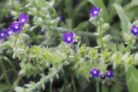
Ever wish there was a magic potion that would make thistles disappear from your garden overnight? I totally get it—nobody wants to share their backyard with these prickly intruders. But I’ve got to be honest with you: there’s no “magic wand” fix here. If you want them gone, it’s going to take a little bit of elbow grease and a lot of persistence.
Why Thistles Are So Stubborn
There are tons of different plants with “thistle” in their name. Some are wild invaders that take over your lawn, while others are actually pretty enough to be grown as ornamentals. But they all have one thing in common: they are incredibly tough. Thistles spread like wildfire using both seeds and underground runners. Plus, they have taproots that can dive nearly 20 inches into the soil. If you try to pull them and leave even a tiny piece of root behind, the plant will just grow right back. To win this battle, you need a solid game plan.
Tip:
Want to know exactly what you’re up against? Check out our Thistle Profile for more details.
Stop the Seeds in Their Tracks
It happens in the blink of an eye—one day you have a weed, and the next, it’s covered in flowers and dropping seeds everywhere. If you want to reclaim your garden, you can’t let that happen. You’ve got to pull those weeds before the buds even have a chance to open. If thistles are popping up in your lawn, regular mowing will usually do the trick. However, the root will keep trying to send up new shoots, so you’ll need to patrol your yard frequently. Every time you see a green sprout, yank it out immediately.
Staying on top of this doesn’t just prevent new seeds; it actually wears the plant out. Eventually, the root system gets so weak that it runs out of energy to regrow. That’s when you can finally claim victory!
Getting to the Root of the Problem
While cutting off the tops helps, your best bet is to remove the entire root system. It’s easier said than done, though, because even small thistles can have roots reaching 10 inches deep. Here’s my pro strategy:
- Wait for a rainy day so the soil is nice and soft.
- Use a long-handled weed puller to get as much of the root as possible.
- If it’s a real monster, grab a spade and dig it out.
Even if you’re super careful, a few root fragments might stay behind. Keep an eye on the spot for a few weeks to make sure nothing makes a comeback.
Tip:
Don’t toss pulled thistles into your compost pile! Seeds or root bits can survive the composting process and end up right back in your flower beds. Throw them in the trash instead.
Home Remedies and Chemicals
A common DIY weed killer is a mixture of salt and vinegar (usually a 1:5 ratio). However, keep in mind that high concentrations of these can be tough on the “good” organisms in your soil. I’d only recommend this for thistles in hard-to-reach spots, like those annoying ones growing between patio pavers.
As for chemical weed killers, they come with so many downsides that they should really be your absolute last resort. If you feel you must go that route, head to your local garden center and ask for the most eco-friendly option available.