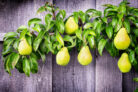
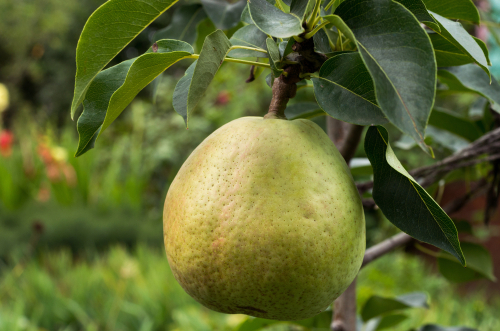
Dwarf pear trees are the little powerhouses of the orchard world. These compact trees often top out at just around 5 feet tall, but don’t let their size fool you—the fruit they produce is full-sized and just as delicious as what you’d get from a massive tree. Here is everything you need to know about growing these little gems.
Characteristics of Dwarf Pear Trees
Dwarf fruit varieties are known for their slow, compact growth habit. One of the best perks? You won’t have to wait years for a harvest; these trees often start producing pears just one or two years after planting. Because the fruit grows to a standard size on such a small frame, it’s a smart move to support your tree with a stake to keep it steady. These varieties are absolutely perfect for growing in pots or containers , making it possible to harvest sweet pears even if you only have a tiny patio. Just keep in mind that if you’re growing them in pots, they’ll need a little extra winter protection to keep the roots cozy.
How to Grow Them
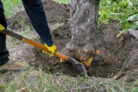
Dwarf pears are incredibly versatile. They’re right at home in a pot on your balcony or terrace, but they also do great when planted directly in the garden. They prefer soil that is rich in nutrients and drains well. These little trees are a lifesaver for small yards or for gardeners who want to grow several different varieties in a limited space. Plus, since most pears need a partner for pollination , having room for two varieties is a big plus!
Even though they’re small, dwarf pears are sun-seekers. They need a sunny spot that’s protected from harsh winds to bloom beautifully and produce a heavy crop. A sheltered wall of a house is often the perfect location. To keep them happy, make sure they get plenty of nutrients through regular fertilizing , or repot your container trees every two to three years. Consistent watering is also key to a juicy harvest.
A Few Favorite Varieties
- Myway Dwarf Pear: This newer variety grows in a sleek columnar shape and produces large, juicy fruit.
- Garden Pearl: This one is known for being particularly slow-growing, making it very easy to manage.
- Doyenne du Comice: A true “mini” that stays between 2.5 and 3 feet tall and absolutely loves soaking up the sun.
Pruning and Care
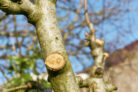
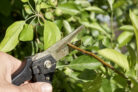
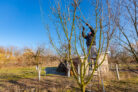
Most dwarf pears are bred to stay small and bushy on their own, so you won’t need to do much heavy lifting with the shears. Usually, you only need to remove old or diseased wood. If the branches start growing inward or the center gets too crowded (which blocks sun from the fruit), give it a light thinning. This helps improve airflow and is a great way to prevent diseases and pest infestations .
Pro Tip: If your tree has a massive bloom and sets too much fruit, the weight can actually snap the small branches. It’s a good idea to thin out the young pears early in the season to protect the tree and ensure the remaining fruit grows nice and big.