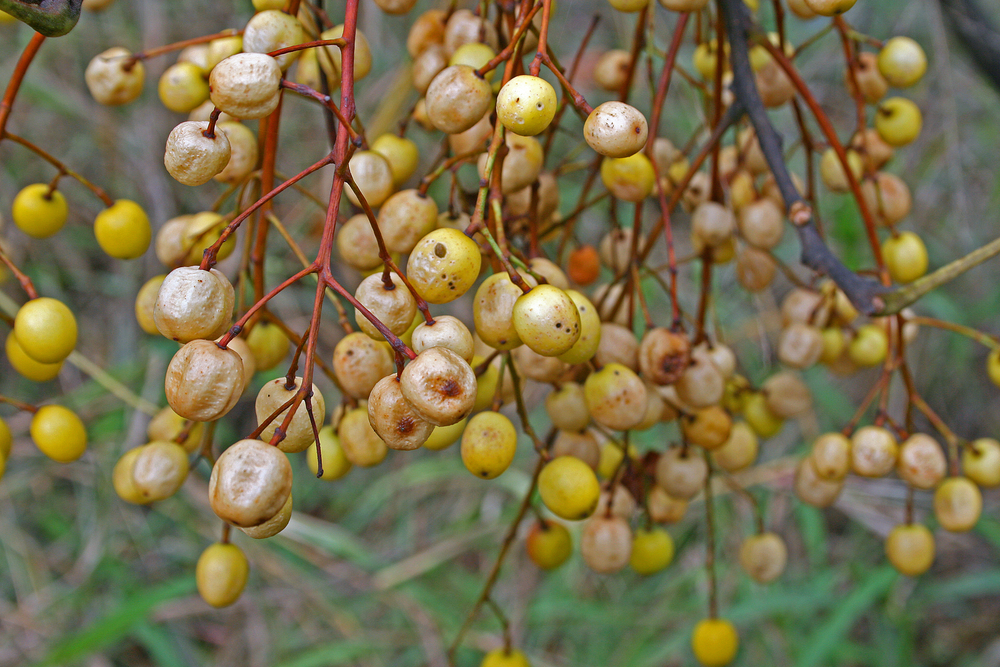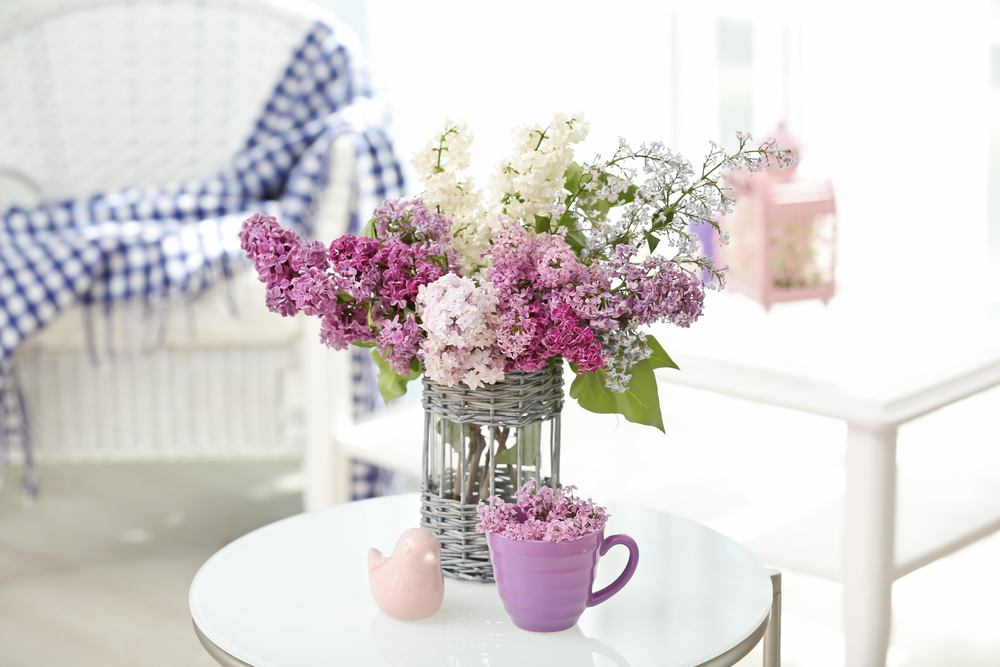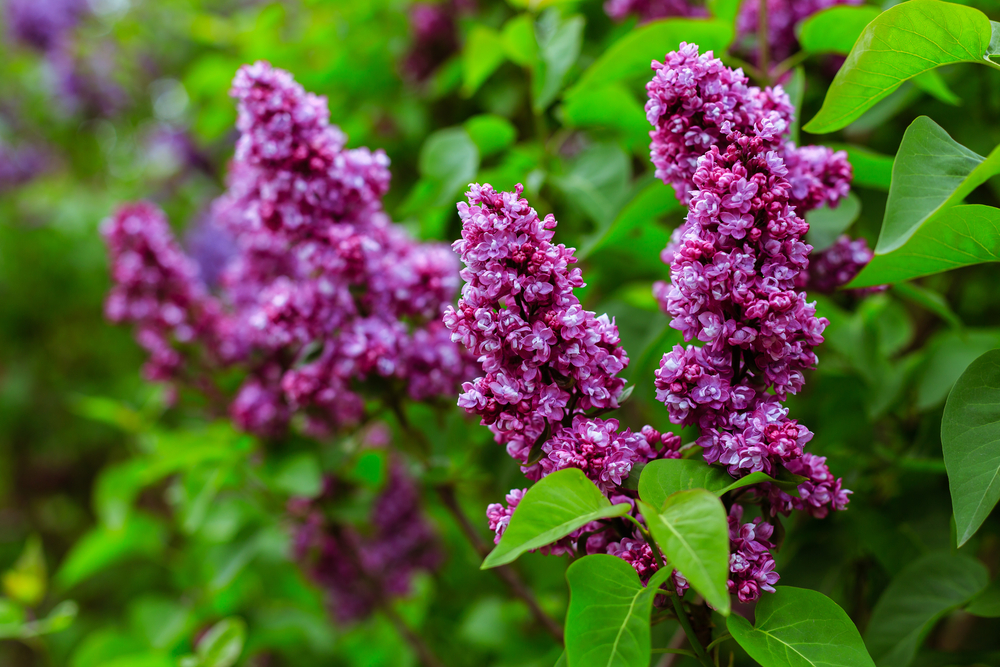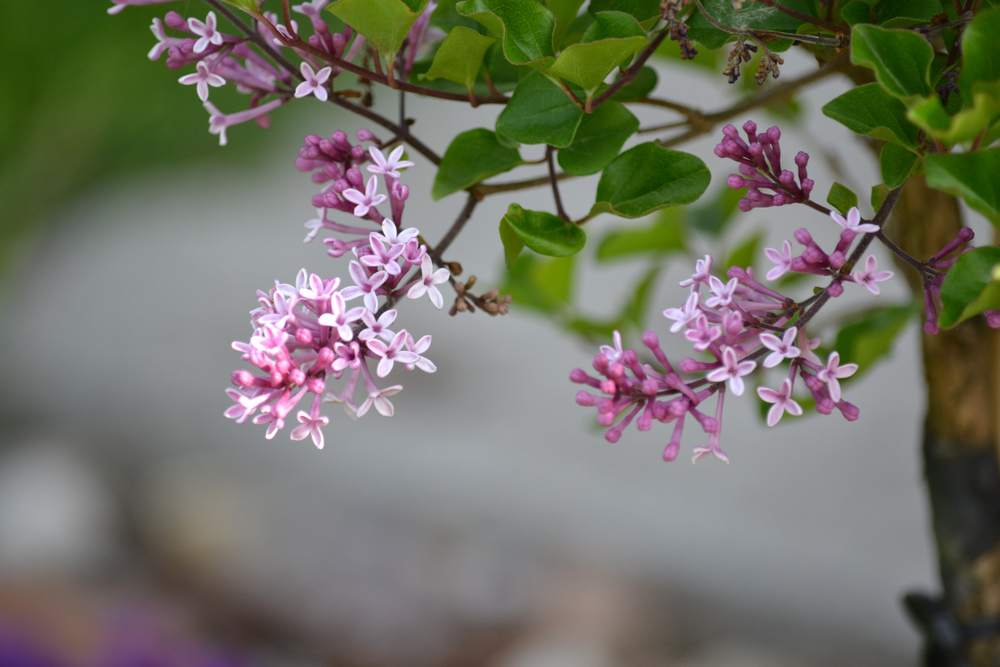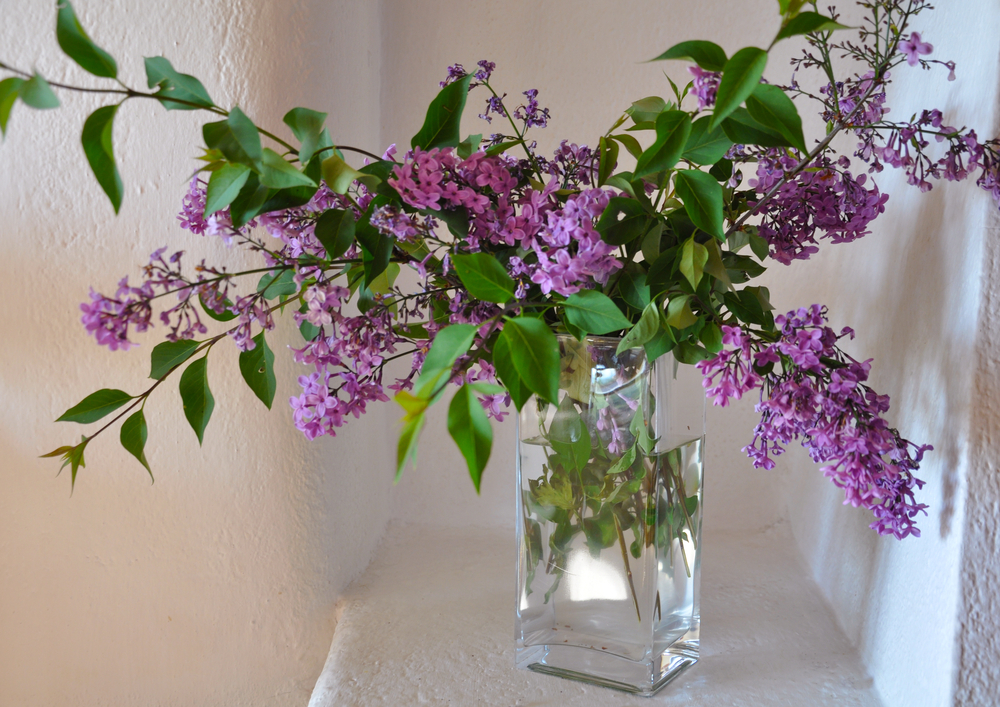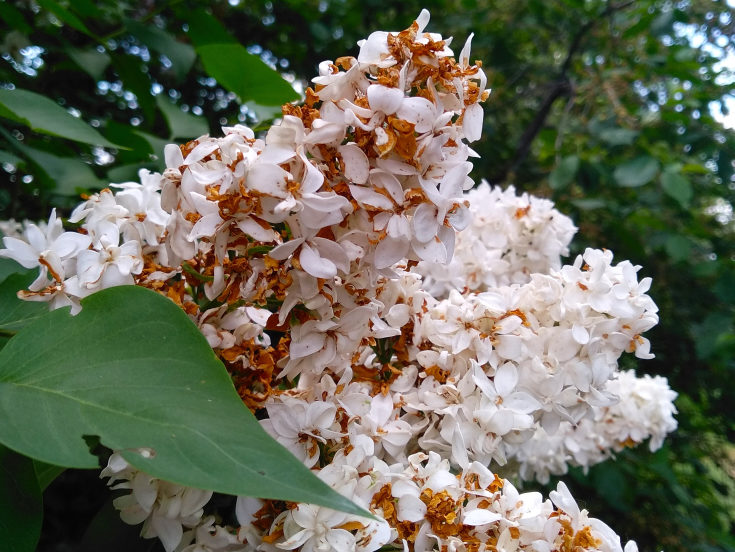
Back in the Middle Ages, Common Lilac (*Syringa vulgaris*) was actually a staple in folk medicine. Fast forward to today, and we generally consider all parts of the lilac plant to be mildly toxic. So, you might be wondering: “Wait, if they’re toxic, why am I seeing so many recipes for lilac berry jams or floral syrups?” Let’s clear up the confusion.
Lilacs aren’t for snacking—they’re mildly toxic
If you’ve ever been tempted to nibble on a lilac blossom, you probably noticed pretty quickly that they taste bitter and, frankly, not great. You can thank a compound called syringin for that. It’s found in the leaves, flowers, berries, and even the bark. It’s a bit of a botanical paradox: lilac flowers smell absolutely heavenly, so you’d expect them to taste sweet and aromatic. Instead, they’re unpleasantly sharp.
In the plant world, a very bitter taste is usually nature’s way of saying “Don’t eat me!” That bitterness acts as a warning sign that a plant is indigestible or even poisonous. That’s exactly the case with lilacs, though they are only classified as mildly toxic. You’d have to eat a significant amount to feel serious effects—which I definitely don’t recommend—but honestly, that bitter flavor usually stops people long before they get to that point.
There is a bit of an exception for the blossoms: if they are boiled for at least 20 minutes, the toxins break down, making them more tolerable. Even then, if you make a syrup, you should only use a splash in your drink rather than gulping it down. You also need to be extra careful with kids, pets, and anyone with a sensitive stomach, as they can experience symptoms much faster. Watch out for:
- Stomach cramps
- Diarrhea
- Nausea
- Vomiting
The “Lilac” vs. Elderberry mix-up
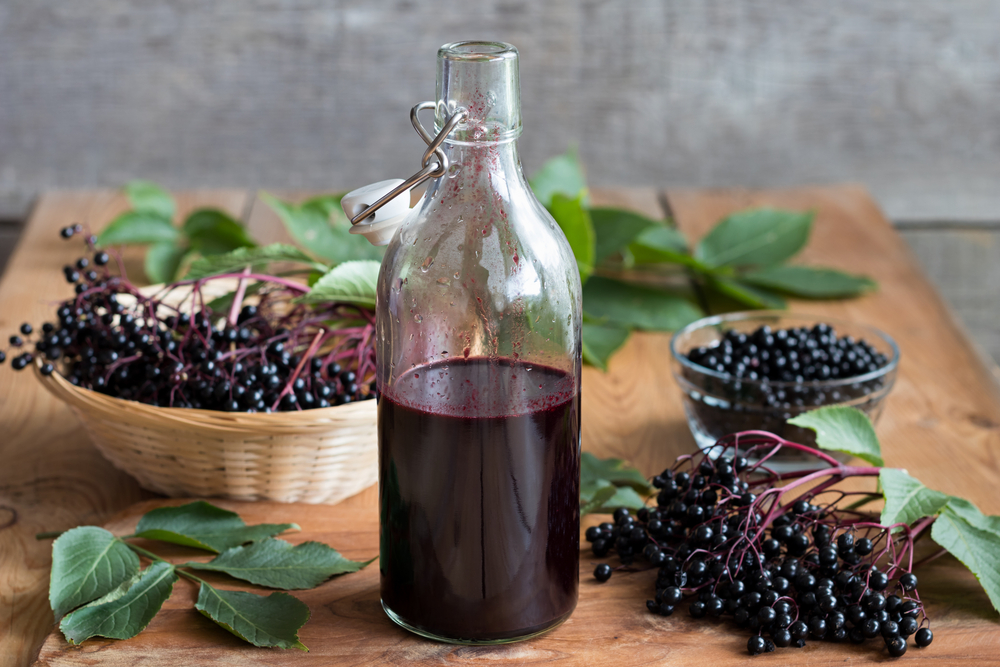
So, we’ve established that your garden-variety lilac isn’t edible. But what about those recipes for “lilac berry tea” or “lilac syrup”? Here’s where it gets tricky: in many regions (especially in Europe), the term “Flieder” or “Lilac” is sometimes used colloquially for Black Elderberry (*Sambucus nigra*). If you see a “lilac” product in a gourmet shop, it’s almost certainly made from elderberries or elderflowers, not the purple bushes in your backyard.
This naming overlap can be pretty dangerous! Plenty of beginner gardeners have assumed their backyard lilacs were fair game because they saw “lilac syrup” at the store. Usually, one bite of those bitter petals is enough to teach them otherwise. It’s also worth noting that other plants with “lilac” in the name, like Butterfly Bush (often called Summer Lilac), are also toxic and definitely shouldn’t be on the menu.