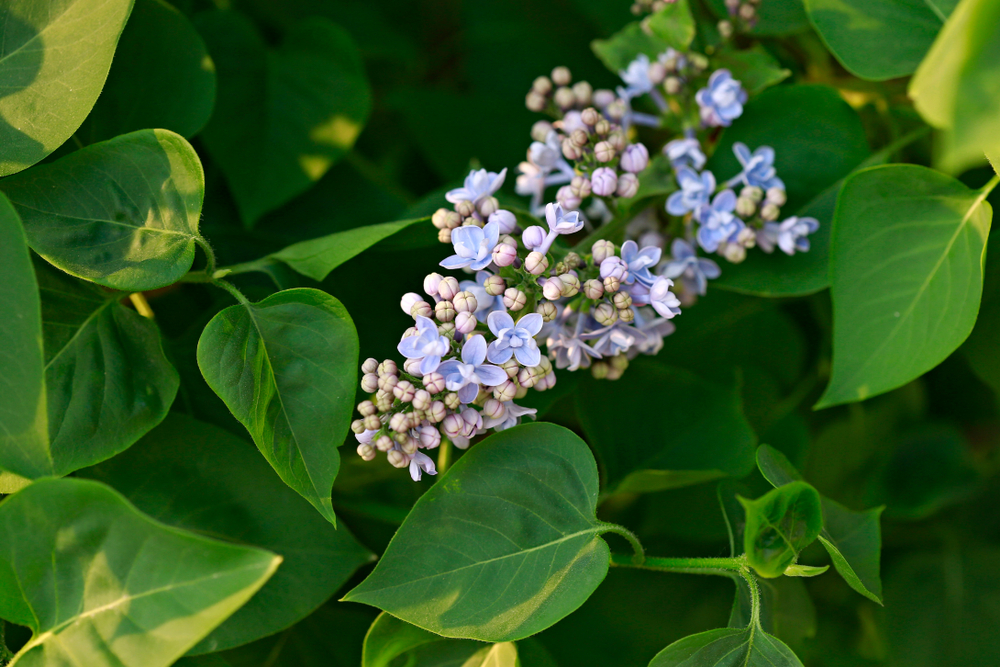
Lilacs and springtime go hand in hand. Every May, these reliable beauties burst into bloom, filling the air with that iconic fragrance and showing off shades of pink, white, violet, and even yellow. The best part? Lilacs aren’t exactly “divas” when it comes to maintenance.
Watering Your Lilacs
Once a lilac has been established in the ground for at least three years, it handles dry spells like a pro. In fact, it actually prefers things a bit on the drier side! The one thing this flowering shrub can’t stand is “wet feet”—too much moisture or standing water is a big no-no. Even during long droughts, it gets by with very little help from the hose. You’ll rarely need to water an older lilac, and if you do, keep it light to ensure the soil doesn’t get waterlogged.
However, if you’ve just planted a new lilac or have a youngster under three years old, it’ll need a little extra TLC in the form of regular watering. At this stage, the root system isn’t deep enough to fend for itself yet. The same goes for any lilacs you’re growing in pots. Since the roots are limited by the size of the container, they rely entirely on you for a drink. To avoid dangerous root rot, make sure you set up a solid drainage system in the pot before planting.
Prepping the Soil
Lilacs aren’t particularly picky about their soil. They’re happiest in sandy, dry, and airy soil that’s slightly alkaline (chalky). If your garden has heavy, damp, or compacted clay soil, you’ll need to do a little prep work. If your soil is *too* sandy and drains instantly, you can mix in some horn meal and compost to help it hold onto nutrients a bit better.
When you first plant your lilac, give it a head start by enriching the hole with compost or high-quality garden soil and some horn meal. To keep those blooms coming year after year, a little fertilizer goes a long way. For a truly spectacular floral show, head to your local garden center and look for a phosphorus-rich fertilizer. The best time to apply this is in early spring.
You can also go the purely organic route by using compost. Just a heads-up: fertilizers high in nitrogen will make your lilac grow like crazy, but you’ll be sacrificing the flowers. If you want a giant bush quickly, nitrogen is the way to go; but if you want that classic bloom season, stick to phosphorus. Otherwise, the plant spends all its energy on leaves and stems, leaving nothing left for the blossoms.
Pruning Your Lilac
First rule of thumb: don’t over-prune! You aren’t doing the plant any favors by constantly clipping it. A light “maintenance trim” once a year right after the flowers fade is usually plenty. Save the radical heavy pruning for when it’s absolutely necessary, and do it on a dry, frost-free day in the winter. Avoid pruning in the summer, fall, or early winter, because that’s when the lilac is already busy setting its buds for next year. If you cut them off now, you’ll be looking at a flowerless bush next spring.
Here are a few reasons you might want to reach for the shears:
- The lilac has simply outgrown its space.
- It’s looking “leggy” or bare at the bottom (a winter rejuvenation prune helps here).
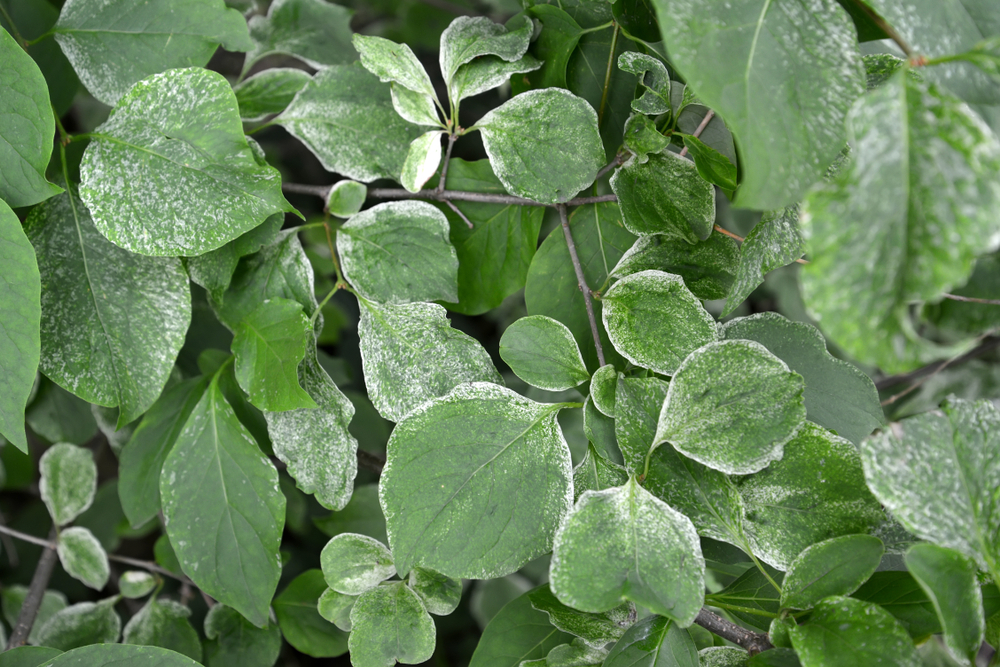
- It’s showing signs of disease or pests.
- You’re training it into a specific shape, like a “tree” (standard) or a bonsai.
- A quick cleanup to deadhead the old, spent flowers.