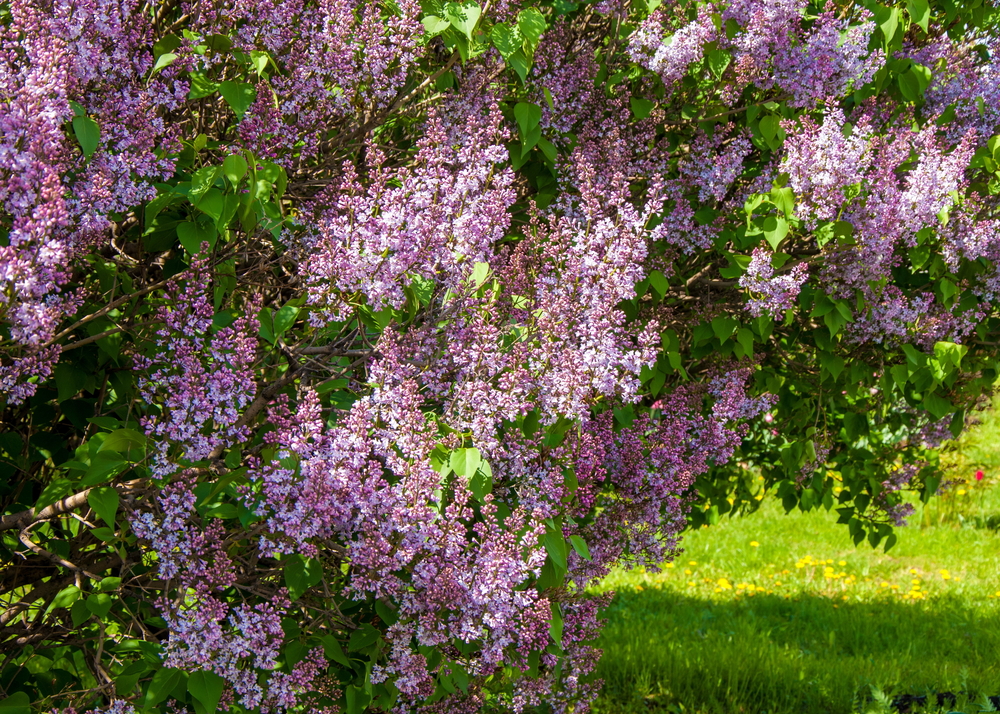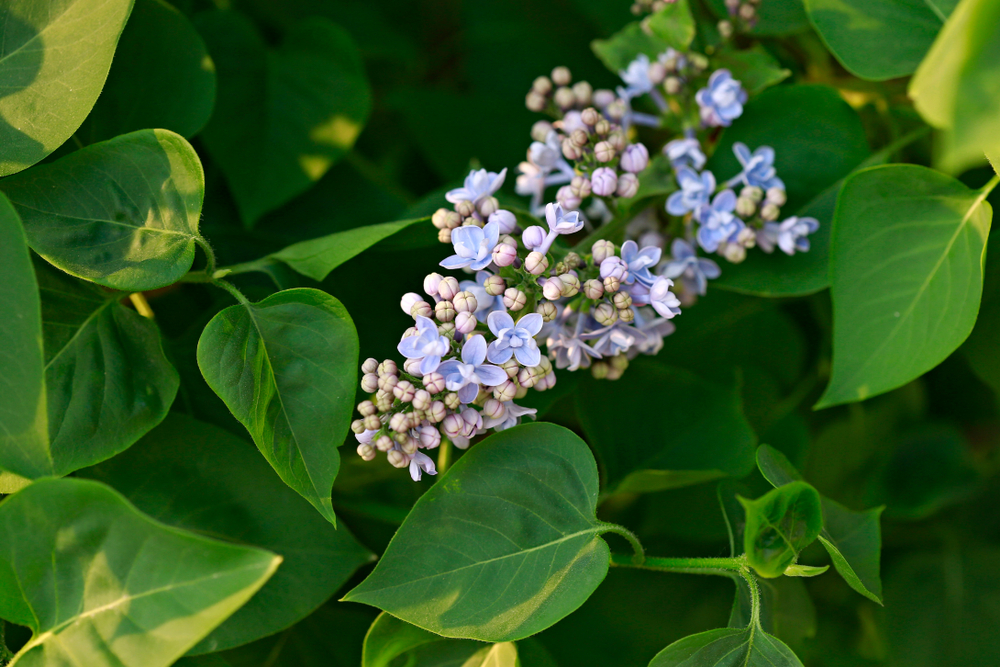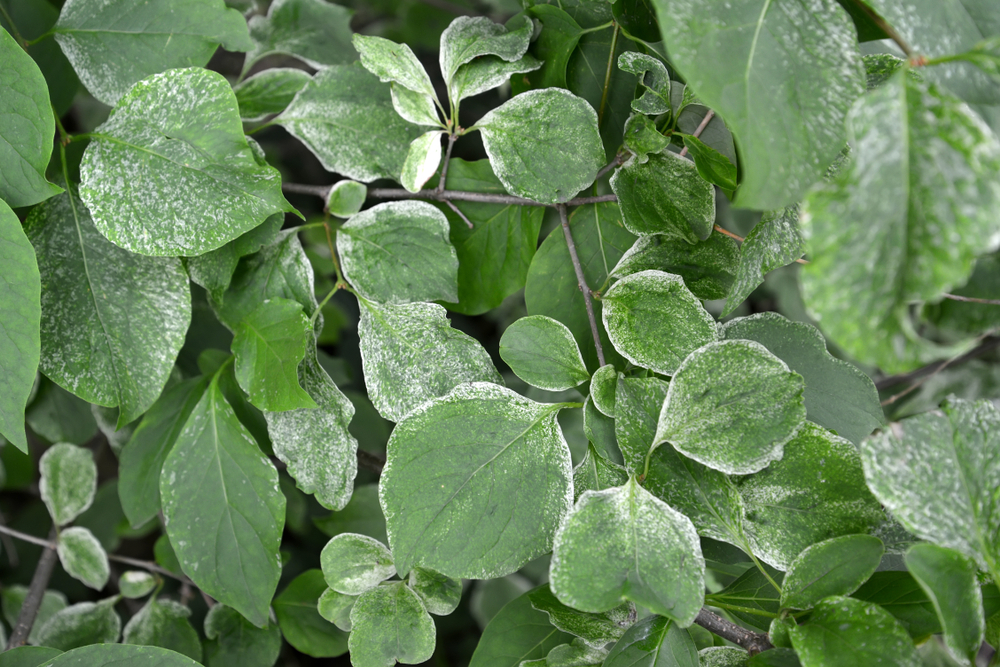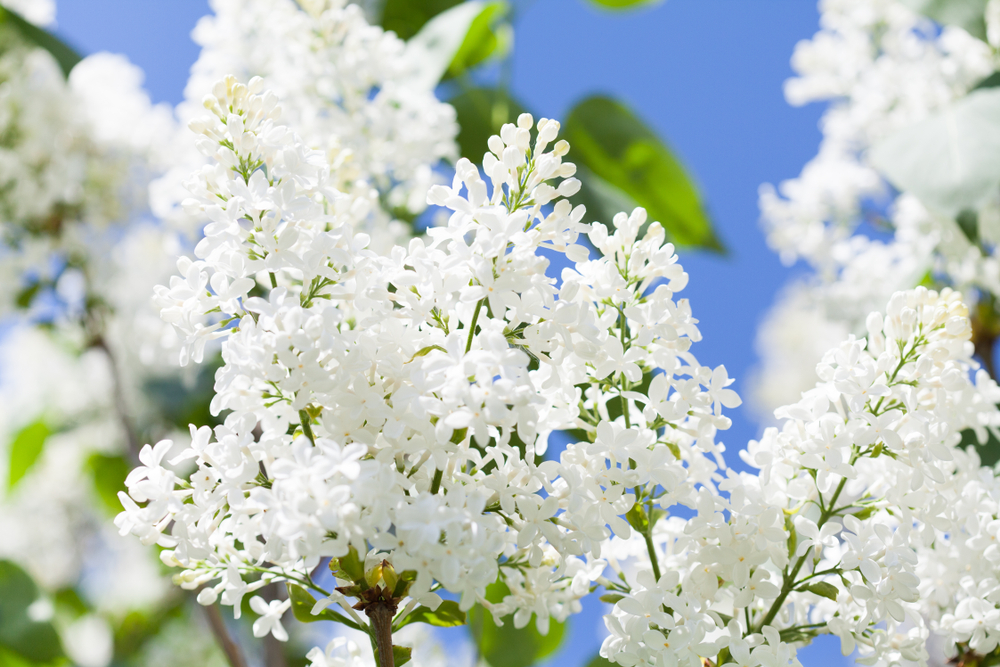
This fragrant spring favorite is a staple in backyards across the country, and for good reason! Lilacs are incredibly adaptable and can thrive even if your soil isn’t exactly “perfect.” However, they do have a few preferences you should know about to get those stunning blooms. Here’s the lowdown on what your lilac needs to be happy.
Well-Drained Soil is Key
Depending on which lilac variety you choose, soil preferences can shift a bit. For instance, Common Lilacs (Syringa vulgaris) generally love well-drained, slightly alkaline soil, while Preston lilacs are a bit more tolerant of heavy clay. Generally speaking, though, lilacs are pretty flexible.
The one thing a lilac absolutely cannot stand? “Wet feet.” They hate soggy soil and standing water. You also want to avoid heavily compacted soil. If you’re planting in a spot where heavy machinery recently drove over—like in a new housing development—you’ll definitely need to loosen that dirt up before planting.
Give Those Roots Some Room
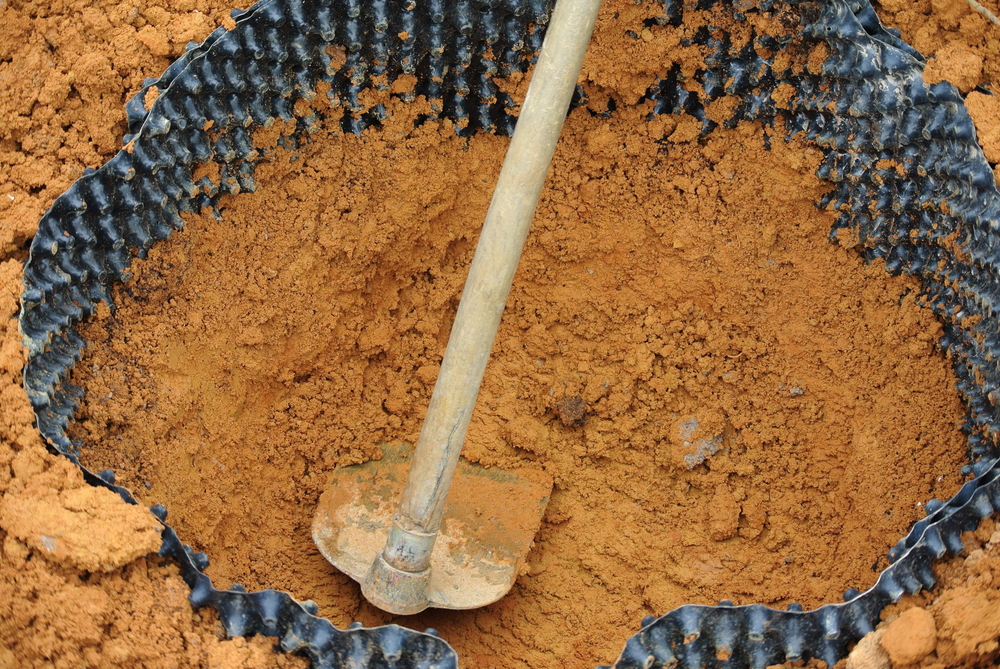
When you’re ready to get your lilac in the ground, make sure the hole is big enough for the root system to spread out. A good rule of thumb is to dig a hole at least twice as wide as the root ball. Once it’s in, give it a good soak. Keep a closer eye on the moisture levels for the first three years; young lilacs need a bit more consistent watering than established ones.
To give your lilac a head start, you can enrich the soil with some nutrients. If your soil is very sandy, mix in some organic fertilizer or compost. If your soil is already decent, a little top-dressing of compost or garden soil every now and then is usually plenty. Aim for a soil pH that is slightly acidic to alkaline.
Don’t have a huge yard? No problem! You don’t have to miss out on that amazing scent. Smaller varieties, like Dwarf Korean Lilacs, do great when grown in containers. Just make sure your pot has excellent drainage so the roots don’t sit in water.