Lilacs are the absolute stars of the spring garden, aren’t they? That incredible fragrance and those lush blooms are hard to beat. But once those flowers start to fade, the magic can disappear pretty quickly. It leaves a lot of us wondering: Should we be deadheading those withered blooms? And is it okay to snip a few fresh ones for the house? Let’s dive into how to keep your lilac looking its best.
Tidying up those old blooms
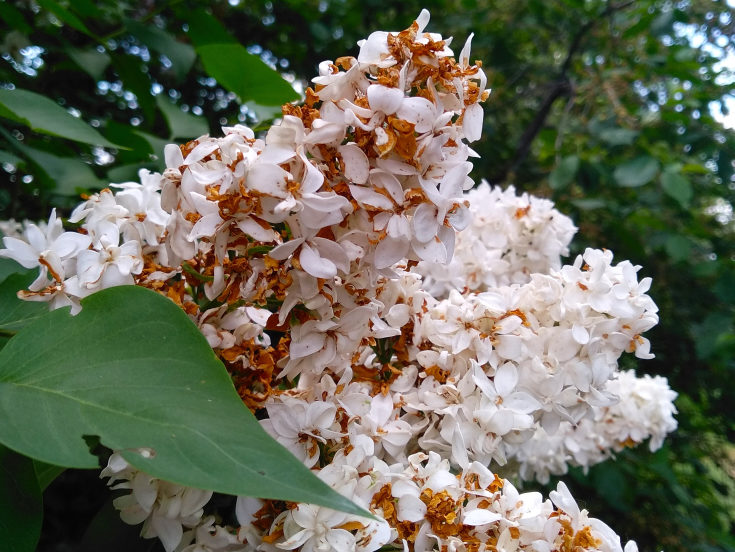
Those dried-out, brown flower clusters aren’t exactly a highlight for your curb appeal. Beyond the looks, many gardeners believe that leaving them on can actually stunt next year’s flower production. The idea is that by removing them, the plant can channel all its energy into creating new buds instead of producing seeds. Now, the experts are a bit split on this. Plenty of folks have noticed that older, established lilacs keep blooming beautifully year after year even if they’re never touched, right into their old age.
If you have a lilac that’s been in your yard for decades, it probably won’t mind if you skip the deadheading. However, there’s another reason to reach for your shears: preventing your shrub from getting “leggy.” If you never prune back those old flower heads, the inner branches can start to die off prematurely.
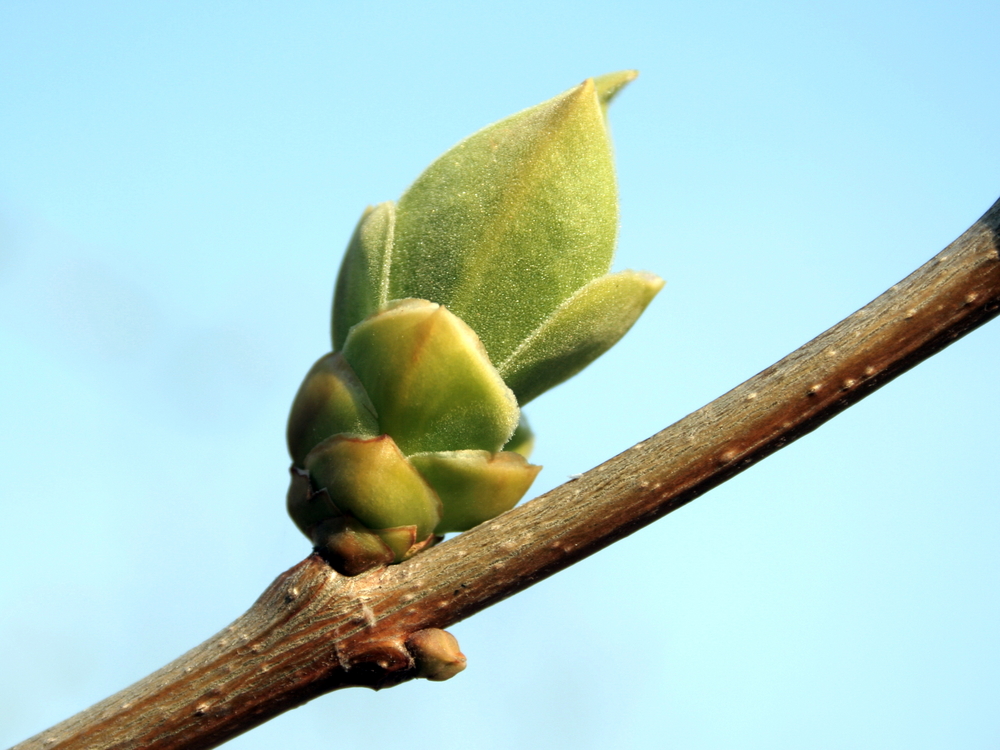
After a few seasons, a lilac that isn’t maintained can start looking a bit sparse and hollow in the center. To keep it looking lush and full, try to prune back the flower stems after they fade. A good rule of thumb is to cut back to the third set of leaves or buds. Aim to make your cut just above a side shoot or a healthy-looking bud to encourage new growth.
Bringing the spring indoors
Of course, you don’t have to wait until the flowers turn brown to start clipping! One of the best parts of owning a lilac is cutting a few branches for a vase. Whether you’re making a massive bouquet or a simple decorative wreath, harvesting those blooms actually helps prevent the center of the bush from thinning out. It’s a win-win!
Just a quick pro-tip: always use sharp, clean tools. Whether you prefer bypass pruners or a sharp garden knife, make sure they give you a nice, clean snip. Ragged cuts or—heaven forbid—tearing the branches can leave your lilac vulnerable to pests and diseases. And if you’ve recently used your tools on a plant that looked a little sickly, be sure to disinfect them before moving on to your lilac. Happy gardening!