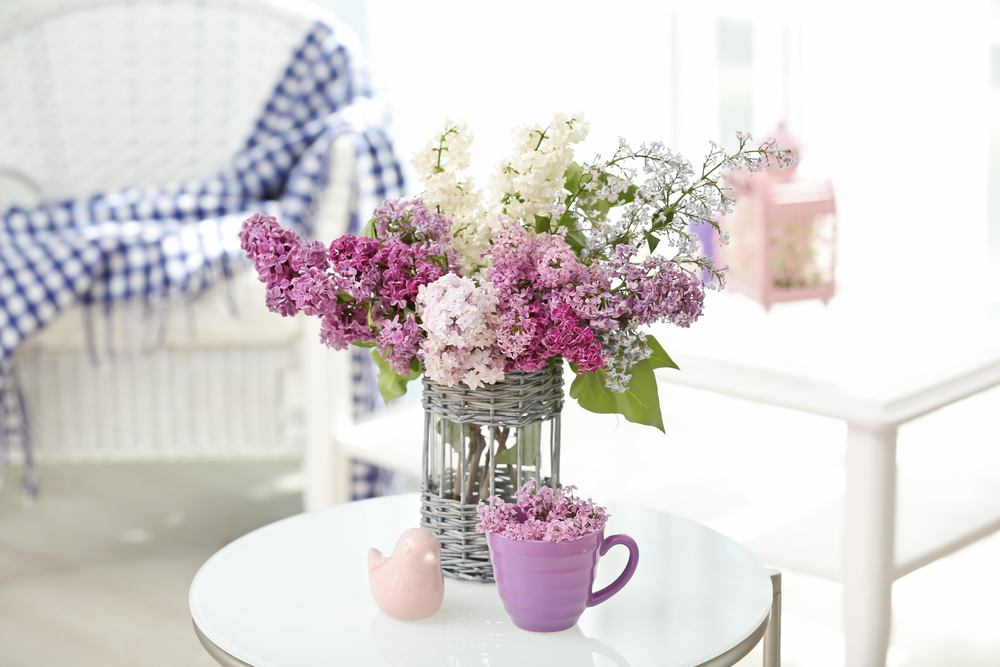
In the beautiful month of May, lilacs seem to bloom everywhere you look. But have you ever wondered if those fragrant blossoms are actually edible? Can you whip up a batch of lilac syrup, jam, or tea? Or is lilac actually dangerous—or even toxic—for humans and pets?
Lilacs are mildly toxic to humans and animals
Technically speaking, all parts of the lilac bush are slightly toxic. This is especially true for the berries, leaves, and bark. The main culprit here is a glycoside called syringin. The good news? Syringin has an incredibly bitter taste that will likely stop you from eating it before you do any real damage. In the plant world, intense bitterness is usually nature’s way of saying, “Hey, don’t eat this!”
Even if you tried to drown lilac blossoms in sugar, you’d probably still taste that bitter edge. For a healthy adult to feel the effects of lilac toxicity, they’d have to consume a pretty large amount. However, that’s not the case for kids, teens, or small pets. For them, even small amounts can lead to unpleasant symptoms like diarrhea, vomiting, or stomach cramps.
Lilac blossoms are edible—but only if you prepare them right
Because the toxicity is relatively low, the blossoms themselves can be consumed in small quantities, though you should still avoid the rest of the plant entirely. But a word of caution: don’t just pluck them off the bush and toss them into a salad or use them as a raw garnish for sandwiches or cakes. You should also skip candying raw lilac flowers. You can find more info on the lilac blooming season right here.
If you cook the blossoms—for example, when making a syrup—they are safe to enjoy in moderation. Just make sure to boil the flowers for at least 20 minutes to help break down those problematic compounds. Lilac syrup makes a lovely addition to cocktails or sparkling water. However, I’d recommend staying away from pure lilac tea, as many people find it really doesn’t sit well with their stomachs.
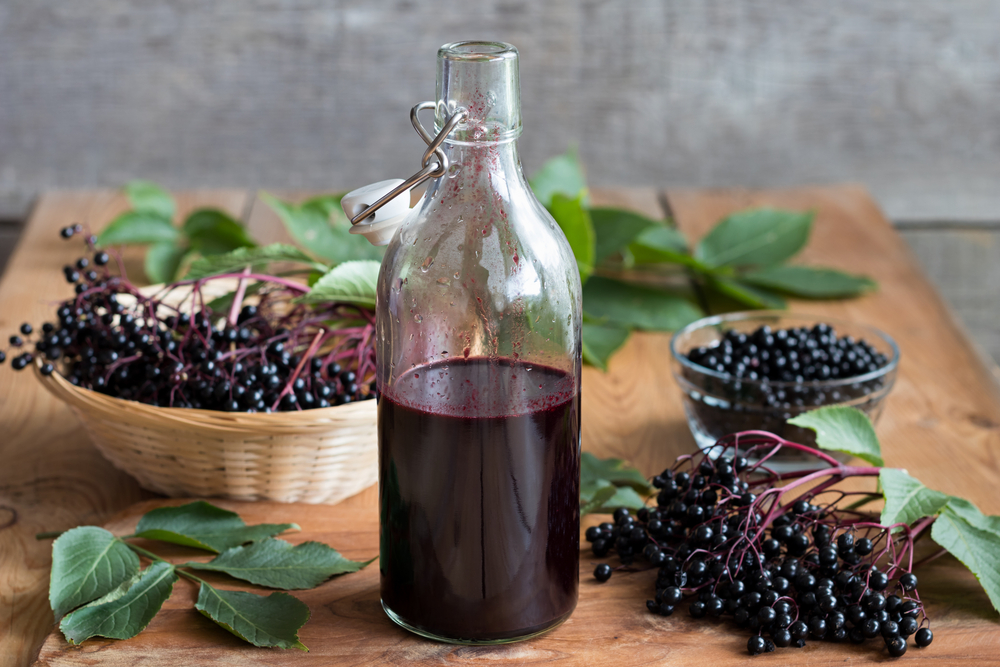
One quick tip: A lot of people assume lilacs are perfectly safe because they see “lilac berry” juices or teas in stores (often called *Fliederbeere* in Europe). In reality, those products are usually made from Black Elderberry, not actual lilacs. It’s a common mix-up, but a big one to keep in mind for your safety!