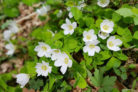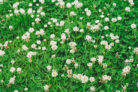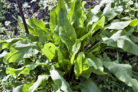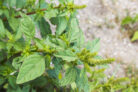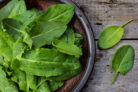
Believe it or not, that stubborn little weed taking over your garden beds is actually edible! Wood sorrel (often called Oxalis) might be a nuisance to some gardeners, but it’s surprisingly tasty. So, what can you actually do with this newfound garden snack? I’ve broken down everything you need to know.
Which Parts Can You Eat and What Does It Taste Like?
The short answer: pretty much the whole thing! You can eat the roots, leaves, flowers, and seeds. The green leaves are the most popular part to use in the kitchen because they’re super juicy. As for the flavor, expect a bright, tangy, and refreshing zing—kind of like a tiny burst of lemon.
While wood sorrel is plentiful and delicious, you don’t want to go overboard. It contains oxalic acid, which can be toxic if eaten in massive quantities. For that same reason, keep it away from your pets—it’s not a good snack for them.
Pro Tip:
Only harvest plants from areas you know haven’t been treated with pesticides or exposed to heavy traffic fumes. If you’re foraging in the wild, give your greens a extra-thorough wash before eating.
How to Use It in the Kitchen
Wood sorrel works great both raw and cooked. Here are a few ways to level up your meals:
- Add it to soups, stews, and sauces for a citrusy kick.
- Toss it into juices or smoothies.
- Brew it into teas or use it to flavor homemade lemonade.
- Sauté the roots along with your other favorite veggies.
Because of its natural acidity, wood sorrel is a fantastic substitute for vinegar or lemon juice. The colorful flowers (which usually pop up around April) make a gorgeous garnish for party platters, and the little seed pods are actually great when pickled!
Pro Tip:
If you decide to let this “edible weed” grow in your garden for easy access, keep a close eye on it. It spreads fast, and once it takes over, it can be a real pain to get rid of.
A Snack with Health Benefits
Adding a little wood sorrel to your diet isn’t just tasty—it’s actually good for you. This “weed” packs some impressive medicinal properties. It’s traditionally used to help break fevers, detox the blood, and act as a natural diuretic. It’s also been linked to helping with kidney issues, gallstones, and even rheumatism.
The list of benefits goes on and on! If you’re interested in the medicinal side of things, I highly recommend checking out some herbalism books for a deeper dive.
To get the most out of its healing properties, stick to organic or wild-grown plants. If you’re not into foraging, you can often find wood sorrel juice at health food stores or specialty pharmacies.