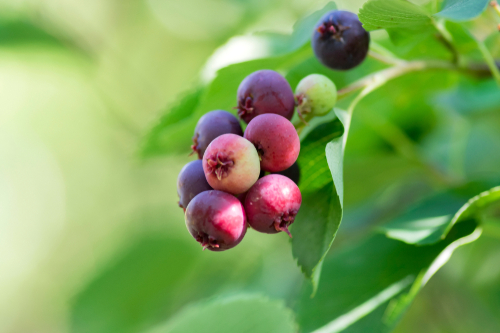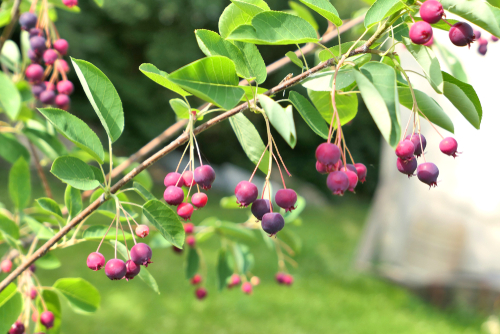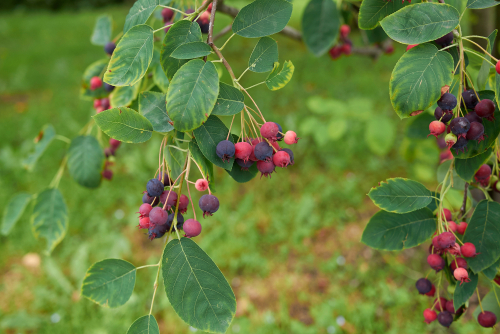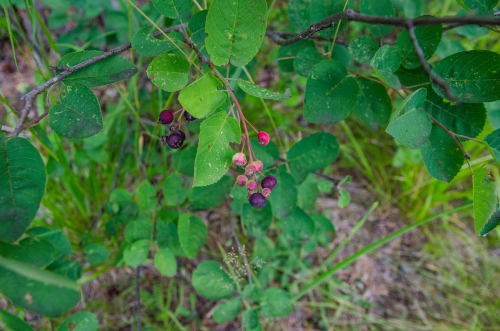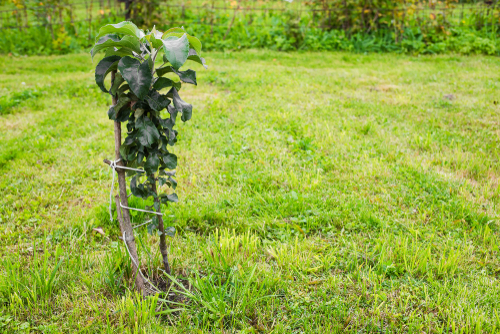
These days, most people plant Serviceberries (also known as Juneberries or *Amelanchier*) mainly for their stunning looks. Their fall foliage is absolutely breathtaking, turning brilliant shades of orange and red. Somewhere along the line, the berries themselves fell out of fashion. Maybe people think they aren’t safe to eat? Let’s clear that up right now.
Decorative and Delicious Berries
The Serviceberry is a superstar in the home garden. Not only does it look fantastic, but it’s also incredibly hardy and low-maintenance. You can keep them small in large pots on your patio, or you can try limbing them up to create a beautiful, airy tree shape.
Back in the day, gardeners didn’t just care about the ornamental value; they grew them specifically for the fruit. One of the biggest perks of this plant is that it thrives even in poor soil while still producing a heavy crop. So, to answer the big question: yes, the berries are absolutely edible and not poisonous! They’re actually making a huge comeback as more gardeners rediscover how great they are for cooking and baking.
A Quick Note on Digestion and Ripeness
You can usually expect to harvest Serviceberries between June and July, depending on your local weather and where the tree is planted. Generally speaking, these plants love full sun. Just a heads-up: once the berries start ripening, you’ll likely be racing the birds for them—they absolutely love these things!
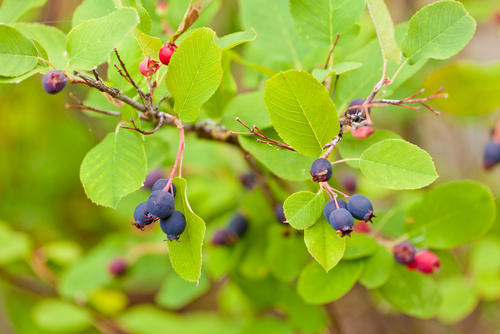
Make sure you’re only picking the fully ripe fruit. If the birds are being too greedy, you might want to throw some bird netting over your tree. You’ll know the berries are ready when they’ve gone through their color transformation:
- Bright red (unripe)
- Dark purple (getting there)
- Bluish-black (perfectly ripe!)
While they are tasty, you might want to avoid eating huge handfuls of raw berries all at once. They contain small amounts of cyanogenic glycosides (similar to apple seeds). The levels are highest in unripe fruit, so definitely skip the red ones. Even with ripe berries, the seeds can release a tiny bit of hydrogen cyanide if chewed thoroughly, which might cause a little tummy upset for sensitive folks.
However, keep in mind that most of those tiny seeds stay whole and pass right through your system without any issues. As long as you aren’t eating pounds of them raw, you’re usually fine. If you have a sensitive stomach or just want to be extra safe, cooking the berries is the way to go—heat breaks down those compounds. Also, even though it’s a bit tedious, make sure to remove the little stems before you start snacking or cooking.
What to Do With Your Harvest
Serviceberries look a lot like blueberries, but the flavor is a whole different story. They have a unique, sweet taste with a hint of marzipan or almond. It almost reminds you of Christmas flavors, even though it’s a summer fruit! Here are a few delicious ways to use them:
- Fresh juice
- Homemade jams and jellies
- Fruit tea
- Infused liqueurs