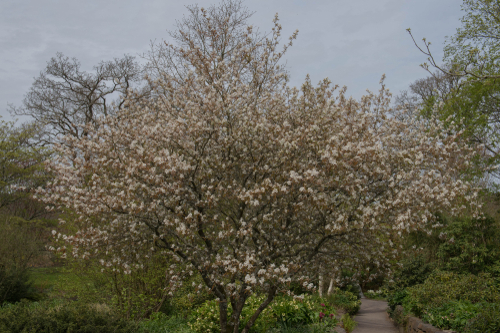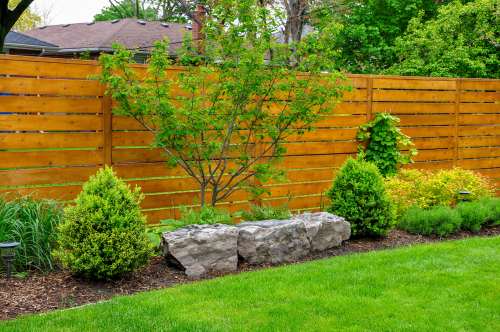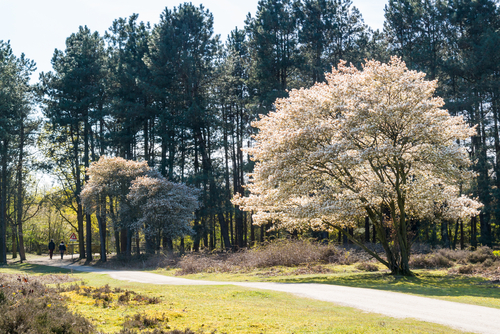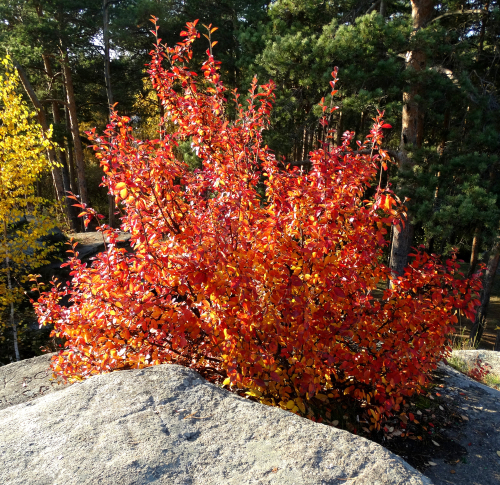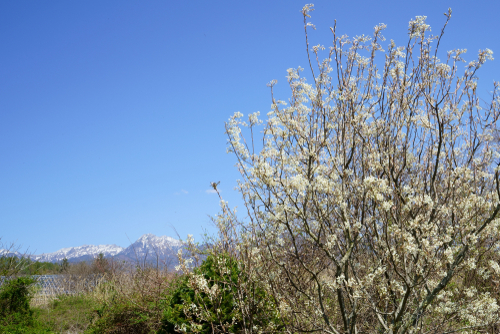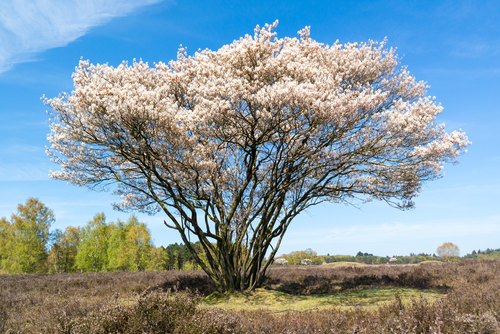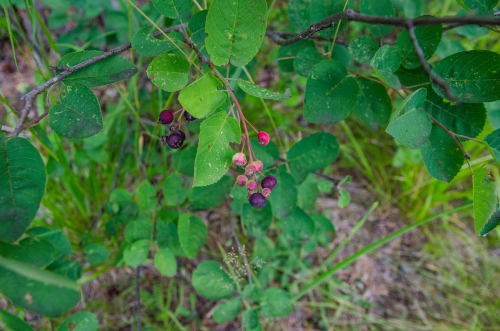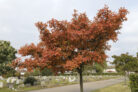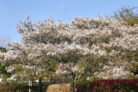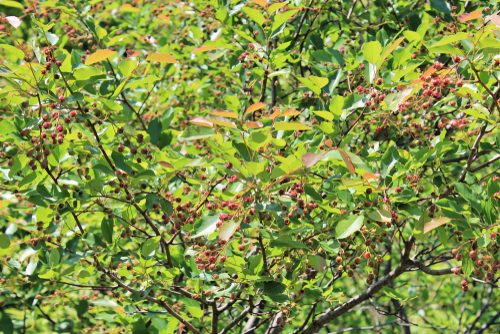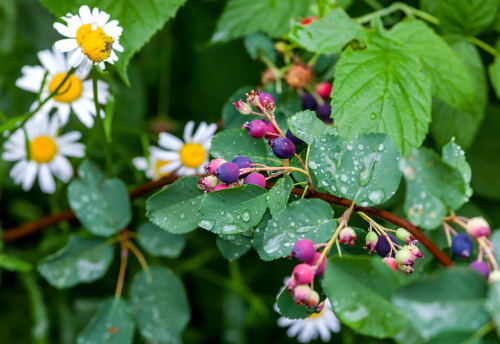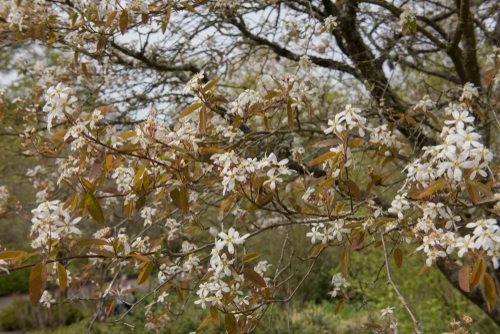
When we talk about “limbing up” a plant, we’re talking about a specific pruning technique used to transform a bushy shrub into a more structured tree form. This is a super popular move for the Serviceberry (Amelanchier). While these beauties naturally want to grow as shrubs, many gardeners prefer to train them into a tree shape to give their landscape a more polished look.
Why should you limb up your Serviceberry?
Technically speaking, the Serviceberry isn’t a traditional tree; it’s a prolific, flowering garden staple that sits somewhere between a shrub and a tree. If you just let it do its thing, it’ll eventually develop multiple main stems, creating a dense, bushy thicket. Because these plants can take up quite a bit of real estate, many of us opt for the tree form—usually to save some precious garden space. By pruning it this way, you get a clear main trunk (or a few clean ones) and a lovely, spreading canopy.
When is the best time to start?
Most people get the urge to limb up their Serviceberry once it has already started taking over the yard. It makes sense—you want your elbow room back! However, for the best aesthetic results, it’s actually better to start preparing the plant for its “tree life” while it’s still relatively young.
The best time to head out with your shears is in the fall. The plant handles the pruning best during this dormant period. Plus, once the leaves have dropped, it’s much easier to see the skeletal structure of the branches and decide which ones stay and which ones go.
How to get the job done right
When you’re pruning a Serviceberry, the golden rule is to be gentle. These plants—especially younger ones—don’t always react well to radical hacking. A good rule of thumb is to never remove more than half of the plant at once. Start by clearing out the shoots near the ground and slowly work your way up. Always make sure your tools are sharp and disinfected; clean cuts heal faster and significantly lower the risk of diseases or pest infestations.
Here is your step-by-step guide to limbing up:
- Pick out a maximum of five healthy, strong stems that you want to keep as your main “trunks.”
- Cut the unwanted side branches as close to the main stem as possible.
- To prevent the bark from stripping or tearing, start your cut from the underside of the branch before cutting through from the top.