title: Finding the Perfect Soil for Your Serviceberry
Picking the right spot in your yard is the first step to making sure your plants thrive. But it’s not just about how much sun they get or where they look best in your landscape—the soil underneath is just as important! If you’re looking to add a Serviceberry (also known as Juneberry or *Amelanchier*) to your garden, here’s everything you need to know about getting the soil just right.
What Kind of Soil Does a Serviceberry Actually Need?
One of the things I love most about the Serviceberry is how low-maintenance it is. It’s a pretty tough plant that isn’t too picky. In fact, you can plant it in relatively poor soil and it’ll still do just fine. Once established, these beauties are also quite drought-tolerant. While they can handle various ground conditions, they really hit their stride in soil that’s a mix of dirt with some sand or loam. If your garden soil feels a bit off, don’t worry—you can easily amend it by mixing in some sand or organic matter before planting.
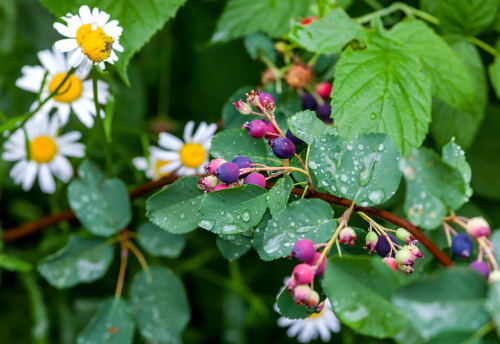
If you want to give your tree a little boost with some fertilizer, timing and the type of fertilizer are key. Spring is the best time to feed your Serviceberry, as those extra nutrients will support all that new growth. Make sure to apply the fertilizer to the soil right over the root zone. I always recommend sticking with natural, organic options. This is especially important if you’re planning on snacking on those delicious berries later! Synthetic fertilizers can contain chemicals you probably don’t want ending up in your fruit. Plus, remember that less is more—you don’t want to overdo it.
Great organic options include:
- Humus
- Well-rotted manure
- Garden compost
Tips for Maintaining Your Soil
When you first put your Serviceberry in the ground, give it a good, deep soak. During the hot summer months, a deep watering once a week is usually plenty. While these trees are hardy enough to survive a dry spell, they absolutely hate “wet feet,” so make sure your soil drains well to avoid standing water. As for feeding, keep it light. Over-fertilizing doesn’t really fit with the tree’s natural growth habit and can actually mess with the soil balance in the long run. Keep it simple, and your Serviceberry will be happy for years to come!