These days, most folks plant Serviceberries (also known as Juneberries) mainly because they look stunning in the landscape. But back in the day, they were a backyard staple primarily for their delicious fruit! While you can snack on them straight off the branch, they really shine when you whip them up into something special in the kitchen.
When is the best time to harvest Serviceberries?
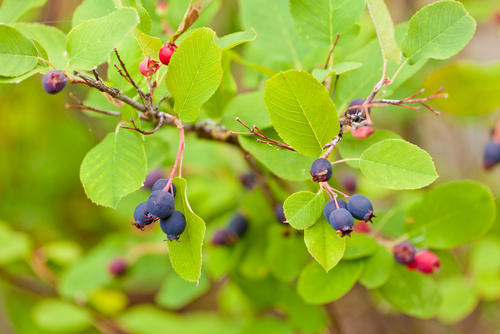
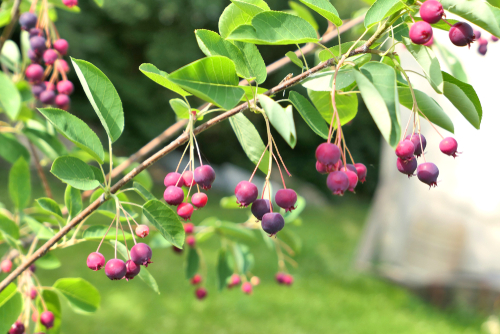
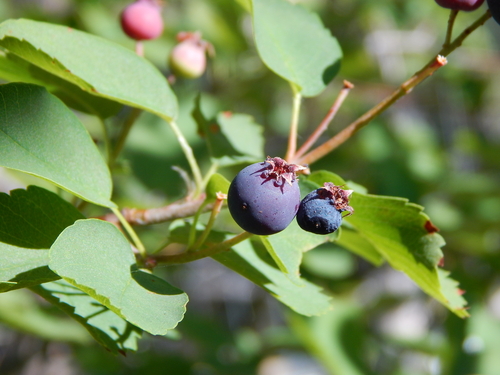
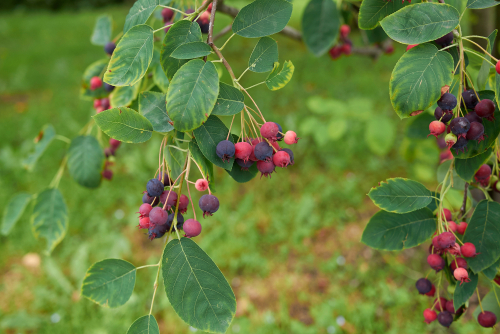
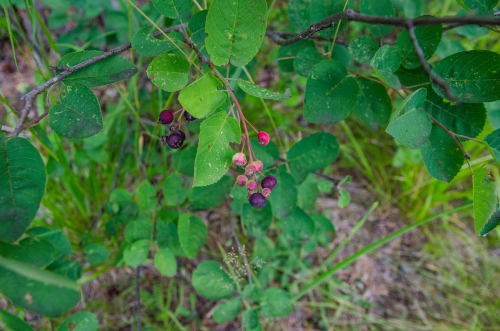
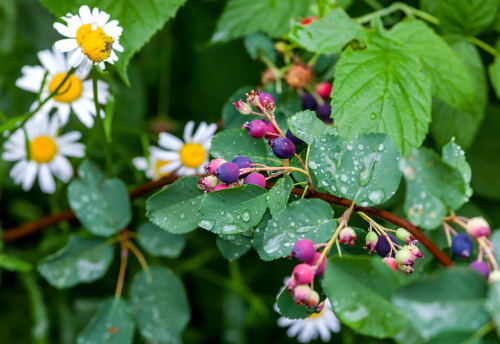
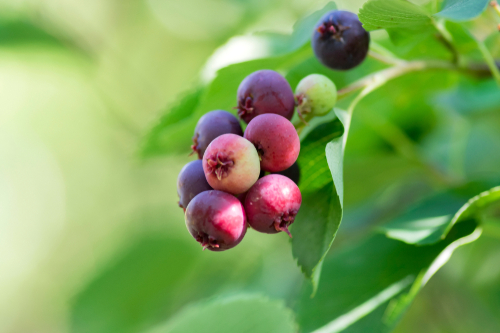
Generally speaking, you’re looking at a harvest window between June and July. Of course, Mother Nature has the final say depending on your local weather and where the shrub is planted. If your Serviceberry is soaking up the sun in a bright spot—which, by the way, is exactly where it loves to be—you might see ripe berries as early as the beginning of June. Keep an eye on the color: they start out a bright, cheery red and deepen into a dark purple or blue-black as they reach peak ripeness.
You’ll want to wait until they are fully ripe to pick them, as they won’t continue to ripen once they’re off the branch. But don’t wait too long! Local birds absolutely love these little treats and will happily beat you to the punch if you’re not careful.
If your tree hasn’t reached its full height yet, it’s a smart move to toss some bird netting over it. Just make sure the mesh is small enough so our feathered friends don’t get tangled up. One cool thing about Serviceberries is that they don’t all ripen at once. They mature gradually, which means you can enjoy a steady harvest over a longer period.
Are Serviceberries safe to eat?
These little “pomes” (which are actually related to apples and pears) taste great, no doubt about it. However, you probably shouldn’t eat them by the bucketful raw, even though they aren’t technically toxic. The seeds and leaves contain tiny amounts of cyanogenic glycosides. When you chew the seeds, they can release a bit of hydrogen cyanide into your system. Eating too many raw berries might lead to a mild stomach ache, so it’s best to enjoy them in moderation when fresh.
While a tummy ache is no fun, it’s usually not dangerous, and the seeds often just pass right through you. Plus, fully ripe berries are actually packed with good stuff, including:
- Essential minerals
- Flavonoids
- Tannins
Getting creative in the kitchen
If you want to be on the safe side (and make the berries easier on your stomach), cooking them is the way to go. Heating the fruit neutralizes those compounds and helps them last much longer. There are so many ways to use them, but some fan favorites include:
- Jams and jellies
- Fruit tea
- Homemade liqueur
Serviceberry tea is a real treat. To make it, just dry the berries and store them in a glass jar. When you’re ready for a cup, put a teaspoon of the dried fruit in a mug and pour hot water over them. Let it steep for about 20 minutes to let the flavors develop. It has a lovely fruity taste with a hint of marzipan—add a little honey for sweetness, and you’re good to go!