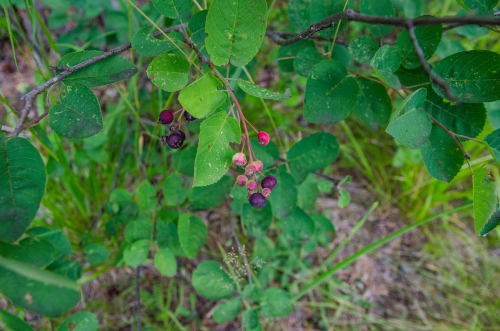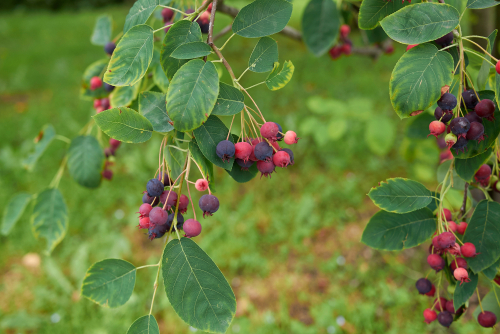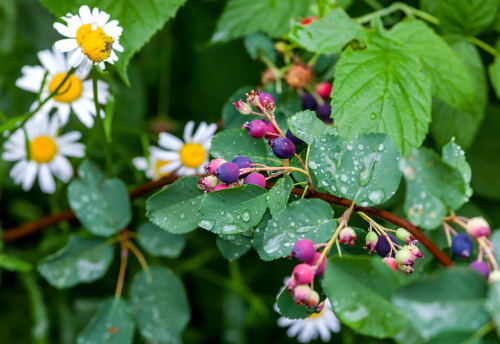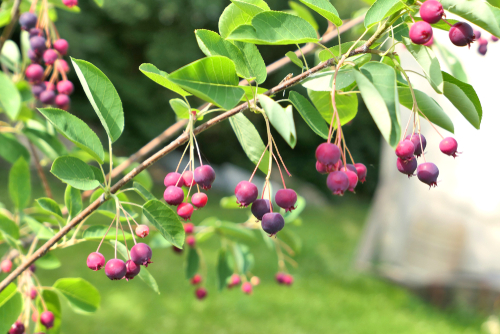
Serviceberries (also known as Juneberries) are becoming a huge favorite in backyards lately, and it’s easy to see why. They’re absolute showstoppers: you get gorgeous starry white blossoms in the spring and a stunning display of fiery red foliage in the fall. But the question I get asked most often is: what’s the deal with the berries? Are they actually edible, or are they toxic?
Serviceberries are safe to eat
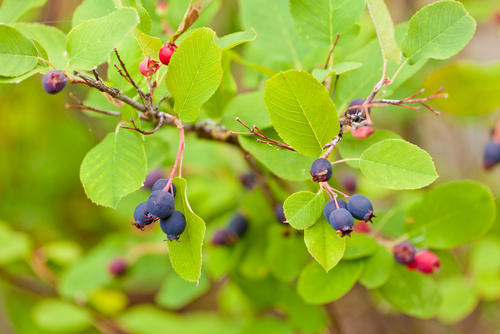
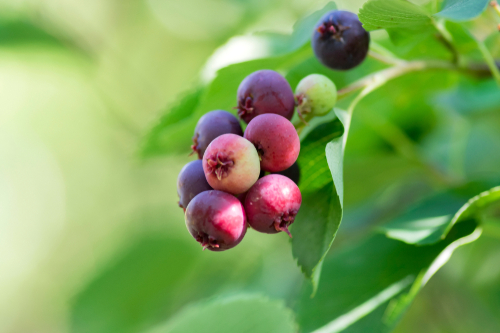
The Serviceberry—sometimes called the “currant tree”—produces small, blue-black fruits that look a bit like blueberries but have a unique, sweet flavor with a hint of marzipan or almond. I can confirm they are definitely not poisonous! You can snack on them right off the bush or whip them up into some seriously tasty treats. They’re great for making:
- Jams and jellies,
- Fruit teas,
- Homemade liqueurs, or
- Fresh juice.
And just a heads-up: you’ll have some competition! Birds absolutely love these berries. They eat the fruit whole and help with propagation by spreading the seeds naturally throughout the garden.
A quick note on digestion and the Common Serviceberry
If you’re growing the Common Serviceberry (*Amelanchier ovalis*), there is one tiny thing to keep in mind. The seeds and leaves contain very small amounts of cyanogenic glycosides. If you chew the seeds thoroughly, a tiny bit of hydrogen cyanide can be released, which might cause a mild stomach ache for some folks.
However, most of us swallow the tiny seeds whole, meaning they pass through our system without any trouble at all. You’d have to eat a massive amount of raw berries to actually feel any ill effects. If you have a sensitive stomach or just want to be extra careful, cooking the berries completely neutralizes those compounds.
Bottom line? Nobody really eats enough raw serviceberries for it to be an issue. Just make sure you’re picking the ripe ones—unripe berries have a slightly higher concentration of those compounds and don’t taste nearly as good anyway!