As a winter-blooming favorite, the Amaryllis has some pretty specific needs when it comes to TLC. One of the most important things to get right is its nutrient supply. These nutrients give the bulb the “fuel” it needs to produce those jaw-dropping, magnificent blooms. Let’s dive into when and how often you should be feeding your flowering beauty.
Kick off the feeding schedule in April
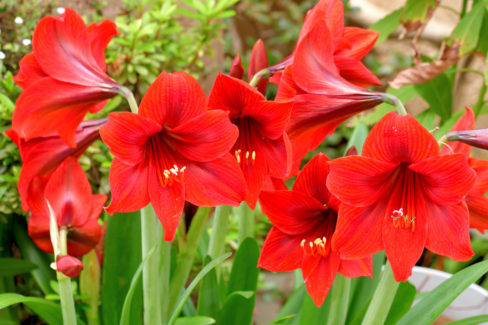
Here’s a little secret: your Amaryllis actually doesn’t need any fertilizer while it’s in full bloom. During the flowering stage, extra nutrients usually just trigger leaf growth rather than helping the flowers. You’ll want to wait until spring, when the active growth phase kicks in, to start regulating the plant’s nutrient levels.
In general, here is the best schedule to follow:
- Feed your Amaryllis every two weeks from April through August.
- Give it a total break from fertilizer from September through March.
Proper watering goes hand-in-hand with nutrients
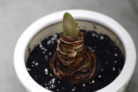
From September to November, your Amaryllis enters its “beauty sleep” (the dormant phase). During this time, it should stay in a cool, dark spot. You should stop watering entirely and hold off on the fertilizer. Don’t worry—the bulb has plenty of stored energy inside to keep it going through the winter.
Choosing the right fertilizer for the job
Don’t leave your plant’s health to chance! It’s best to use a high-quality liquid fertilizer specifically formulated for flowering houseplants.
If you’re a fan of DIY or organic gardening, you have some great options too:
- Mix a tablespoon of horn meal into the soil when planting.
- Use organic liquid options like compost tea.
- In July, try a potassium-rich comfrey tea to strengthen the bulb right before its fall dormant period.
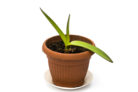
One big heads-up: Amaryllis plants are super sensitive to “wet feet” (standing water), which can lead to root rot or mold. To play it safe, always pour your fertilizer/water mix into the saucer rather than over the bulb. Capillary action will naturally pull the nutrients up to the roots where they’re needed most.
Pro Tips!
Want to skip the fertilizing routine altogether? You can actually get away with it if you repot your Amaryllis every November. Most standard potting soils for flowering plants come pre-loaded with enough nutrients for the season. Also, if you happen to have a backyard pond, using nutrient-rich pond water for your regular watering is a fantastic natural boost for your plant!