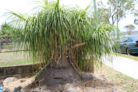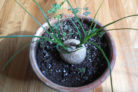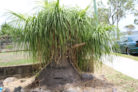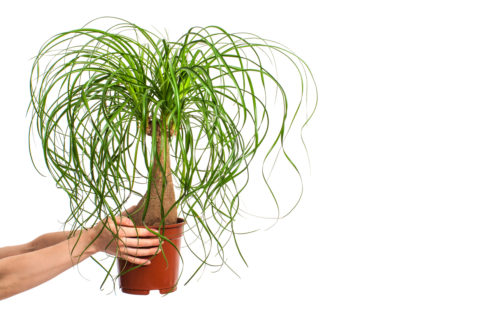
The Ponytail Palm (botanically known as *Beaucarnea recurvata*) is one of the most easygoing plants you can own. But even though it’s low-maintenance, it can’t live on water alone forever! How often you should feed your Ponytail Palm really depends on the type of soil sitting in that pot.
Substrate and Fertilizing
These hardy little “elephant feet” thrive best in loose, well-draining, and relatively nutrient-poor soil. Most indoor gardeners stick with:
- Cactus or succulent mix
- Standard potting soil
- Homemade compost mix
Cactus Soil
Cactus soil is packed with minerals and is great at regulating water and nutrients. If you’re using a high-quality store-bought cactus mix, you really don’t need much. It’s usually plenty to:
- Fertilize just twice a year
- Aim for once in the spring and once in the fall
- Use a liquid cactus fertilizer
- Follow the dosage instructions on the bottle
If you’ve whipped up your own DIY cactus mix, depending on your recipe, the nutrients in the substrate can actually last for up to twelve months before you need to add a thing.
Standard Potting Soil
Your typical all-purpose potting or container soil is usually pretty rich in nutrients. If you’ve just brought your Ponytail Palm home or recently repotted it into fresh soil, it’s set for at least six months. After that initial period, you can start a feeding routine:
- Every four weeks at the most
- Only from spring through fall
- Use a standard liquid houseplant fertilizer
- Just mix the recommended dose into your watering can
Homemade Compost Mix
As you might guess, homemade compost is loaded with nutrients. Because it’s so rich, you won’t need to fertilize your Ponytail Palm at all during its first year in the mix. Starting in the second year, your plant will appreciate a little boost. To make up for the nutrients the plant has used up, slowly decrease the time between feedings. By the third or fourth year, you should be on a steady four-week rhythm. Just like with standard soil, a regular liquid fertilizer works perfectly here.
Overfertilizing
Because the Ponytail Palm is a pro at storing nutrients in its trunk, it handles “hunger” much better than “overeating.” If you over-fertilize consistently, you can actually damage the plant. You’ll know there’s a problem if it starts putting out weak, yellow leaves.
When it comes to the Ponytail Palm, the golden rule is: Less is more. You’ll see a lot of different advice out there, ranging from:
- Twice a year vs. once a month
- Full strength vs. half-strength doses
- Not fertilizing at all
At the end of the day, all these tips share the same goal: keep the nutrients sparse. When in doubt, err on the side of caution!