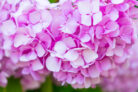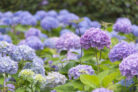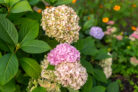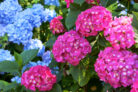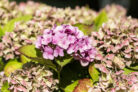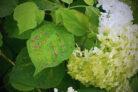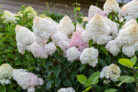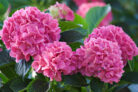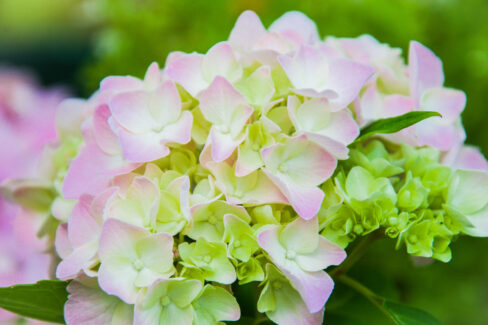
Hydrangeas are famous for being heavy feeders, and honestly, it’s no surprise! It takes a lot of energy to produce all that lush green foliage and those massive, iconic blooms. However, more isn’t always better. If you go overboard with the fertilizer, you might actually end up doing more harm than good.
How much fertilizer does a hydrangea really need?
The botanical name for these beauties is Hydrangea. As you might guess from that “hydra” prefix, they are big fans of water, but they also crave a steady supply of nutrients. The trick is giving them the *right* nutrients in the right amounts.
If you notice your plant is putting out tons of green leaves but hardly any flowers, you might be over-fertilizing. Using the wrong balance of nutrients can also lead to a “all leaves, no blooms” situation. To keep your hydrangeas happy, stick to these options:
The best fertilizers to use:
- Specialized hydrangea fertilizer
- Rhododendron or azalea fertilizer (they love the acidity!)
- A DIY mix of horn meal, leaf compost, and coffee grounds
Getting the balance just right
If you suspect you’ve overdone it, the best thing to do is a quick soil test. This takes the guesswork out of gardening and tells you exactly what’s going on with your nutrient levels and pH balance. Once you have those results, you can decide if you need to move the plant to a better spot in the yard or just amend the soil where it is. Sometimes, digging the plant up to add a drainage layer and some fresh potting soil is the best way to hit the reset button.
When you use a high-quality fertilizer, you really don’t need to apply it that often. Most gardeners find that twice a year is the sweet spot: once in early spring before the big growth spurt, and again at the beginning of summer. Once your soil is back in balance, you can look forward to those stunning blooms again. And here’s a pro tip: by tweaking the nutrients and pH in your soil, you can actually change the color of the flowers on many hydrangea varieties!