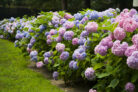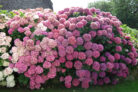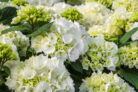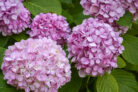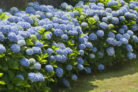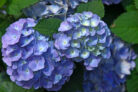
Originally hailing from Japan, Bigleaf Hydrangeas (bot. *Hydrangea macrophylla*) are used to some pretty chilly winters. Because of their roots, you’d think they’d be totally bulletproof in the cold, right? Well, not exactly. Many varieties are actually classified as only “semi-hardy.”
What exactly does “semi-hardy” mean?
When we say a plant is “semi-hardy,” it means it can only handle a little bit of frost or cold temperatures for a short window of time. For most Bigleaf Hydrangeas, they’re usually fine down to about 23°F (-5°C). Once the mercury drops lower than that, things can get dicey depending on the specific variety you have in your garden.
If you live in a region with harsh winters, you should definitely expect some frost damage if you don’t prep. But don’t worry—it’s easier to manage than you might think! As long as the root ball doesn’t freeze solid, the plant can usually bounce back. However, a common frustration is when a hydrangea fails to bloom. This usually happens because the flower buds, which the plant actually sets the previous year, got nipped by the frost.
How do I get my hydrangeas through the winter?
A little bit of planning goes a long way! It all starts with picking the right spot to plant. You’ll want a location that’s sheltered from the wind, especially those biting, icy eastern winds that can really do a number on the stems. If you live in a particularly cold climate, your best bet is to plant varieties specifically bred for hardiness. Don’t be afraid to ask your local nursery for recommendations on the toughest cultivars.
To keep the roots cozy, apply a thick layer of straw, brushwood, mulch, or fallen leaves. For the parts of the plant above ground, you can wrap them in garden fleece (frost cloth) during extreme cold snaps. Just make sure the material is breathable so the plant doesn’t suffocate!
Quick Tips for Winter Success:
- Many varieties are only semi-hardy down to about 23°F.
- If you’re in a cold zone, stick to extra-hardy cultivars.
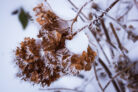
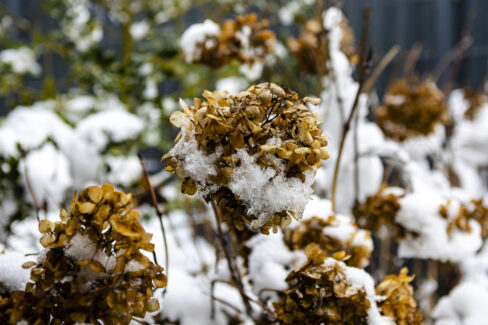
- Leave spent blooms on the plant; they act as natural insulation for the buds (and look pretty in the snow!).
- Protect the plant from icy winter winds.
- Water occasionally on frost-free days, but skip the fertilizer until spring.
- Mulch the root zone heavily with leaves, straw, or bark.
- Wrap the branches in garden fleece during long or intense freezes.
Pro Tip: If you have Bigleaf Hydrangeas in pots, it’s best to overwinter them in a frost-free spot like a garage or shed.