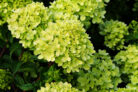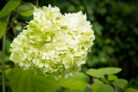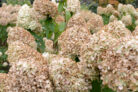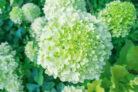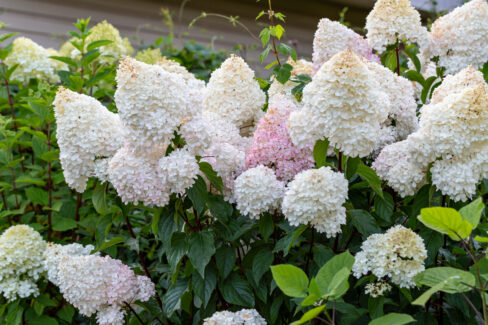
Panicle hydrangeas are a total showstopper, especially if you’re going for that charming farmhouse or rustic garden vibe. But if you want those big, lush flower heads to show up every year, you’ve got to stay on top of their feeding schedule.
The Best Fertilizer for Panicle Hydrangeas
When it comes to feeding your panicle hydrangeas, organic is usually the way to go. You’ve got a few great options:
- Specialty hydrangea fertilizer
- Rhododendron fertilizer
- Or even azalea fertilizer
If your hydrangeas are planted in the right soil, a single dose of slow-release fertilizer in the spring is often all they need. They love soil that is rich in nutrients and organic matter, with a slightly acidic pH. Before the new growth starts popping up, try mixing some compost or horn meal into the soil. Afterward, add a layer of mulch around the base. Mulching is a lifesaver—it keeps the soil loose and locks in moisture so you don’t have to spend all summer with a garden hose in your hand.
If you prefer to skip the slow-release pellets, you can use natural options like leaf compost, guano, horn meal, or even coffee grounds. If you go this route, feed them every two weeks from March through September. However, if your soil is pretty “lean” or nutrient-poor, organic matter might not be enough. In that case, you can supplement with a mineral-based liquid fertilizer. These provide a quick nutrient boost, but be careful—don’t overdo it, or you might end up over-fertilizing.
Feeding Container-Grown Hydrangeas
If you’re growing panicle hydrangeas in pots, they’re going to need a little more attention. Since nutrients wash out of pots faster, you should mix a liquid fertilizer into your watering can about every two weeks.
Spotting Nutrient Deficiencies
Keep an eye on the leaves! If they start turning yellow while the veins stay bright green, your plant is likely dealing with “chlorosis.” This is a classic sign of a nutrient deficiency, but before you reach for the fertilizer, double-check a few things. Make sure the plant isn’t sitting in standing water or suffering from root rot.
Soil composition is often the culprit here. If the soil is too alkaline or has too much lime, the plant can’t “eat” properly, leading to those yellow leaves. Mixing in some rhododendron soil (which is more acidic) usually fixes the problem. If the soil pH is fine and there’s no waterlogging, then a dose of liquid fertilizer should do the trick.
Do They Need Food in the Winter?
Once the blooming season winds down, start spacing out your feedings until you stop altogether. Panicle hydrangeas don’t need any fertilizer during their winter dormancy. They are quite hardy and generally don’t need extra protection. The only exception? If you’ve just planted a new hydrangea or moved one recently, give it a little “winter coat” of garden fleece or evergreen boughs to help it settle in.