If you give your hydrangeas the right nutrients, you’re pretty much guaranteed a spectacular show of blooms. In this guide, I’ll walk you through which fertilizers hydrangeas love most, the best time to feed them, and a few “pro tips” on what to avoid so your plants stay happy and healthy.
Understanding Your Hydrangea’s Needs
Hydrangeas can be a little picky about where they live. To maintain that lush green foliage and produce those massive flower heads, they need constant access to nutrients. If you get the timing and the “menu” right, your plants will thrive. Generally, hydrangeas crave a mix of nitrogen, potassium, and iron. However, there are a few things you should definitely keep off the guest list.
For starters, be very careful with lime at your hydrangea’s planting site. Adding lime makes the soil more alkaline (basic), but hydrangeas generally prefer acidic soil. If the pH level gets too high, your flower colors might fade, or the plant might stop growing altogether. Luckily, there are plenty of great fertilizers you can use to keep things balanced.
Mineral Fertilizers
When shopping for a mineral fertilizer, look for something high in nitrogen but low in phosphorus. This can be tricky because many standard garden fertilizers are actually quite high in phosphorus. A great “hack” is to use rhododendron fertilizer—it’s formulated for acid-loving plants and works perfectly for hydrangeas. You can find these at any local garden center.
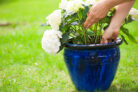
If your hydrangeas are planted directly in the garden, just work the fertilizer into the soil. If you have potted hydrangeas, they’ll actually need a bit more frequent feeding. Since container plants can’t pull nutrients from the surrounding earth, they rely entirely on you for their “meals.” Keep that in mind to ensure your patio plants stay vibrant!
Choosing the Right Organic Fertilizer
Organic fertilizers are a fantastic, eco-friendly way to feed your hydrangeas. They don’t introduce harsh chemicals into your yard, which is always a plus. Just keep in mind that organic options take a little longer to break down and start working. If you plan ahead, though, your hydrangea roots will have access to exactly what they need right when the growing season hits its peak.
Using Horn Meal or Shavings
Horn meal or horn shavings are excellent for hydrangeas. They are rich in nitrogen and easy to mix into the soil. Because they decompose slowly, there’s very little risk of “over-fertilizing” or burning your plants. It’s a great “set it and forget it” organic option.
Using Humus (Finished Compost)
Humus—or well-aged compost—is another gold mine for nutrients. If you have a compost pile going in the backyard, you’ve already got free fertilizer! Simply work a layer of humus into the soil around the base of the hydrangea.
Using Coffee Grounds
Don’t toss those morning coffee grounds! They are packed with minerals and help keep the soil slightly acidic. Plus, coffee grounds attract earthworms, which help aerate the soil and break down organic matter. This keeps the soil loose and helps nutrients reach the plant faster. It’s an effective, budget-friendly way to recycle.
Boosting Those Blue Blooms
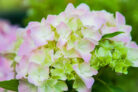
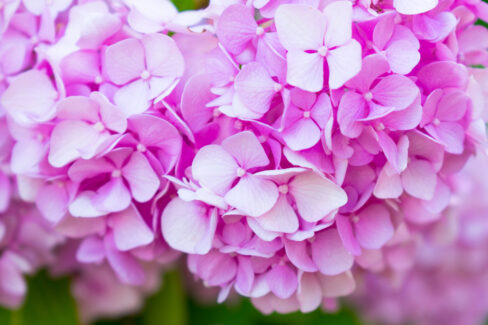
Did you know you can actually influence the color of your flowers? Hydrangeas turn blue when they can absorb aluminum from the soil. For this to happen, two things must be true: the aluminum has to be present, and the soil pH must be quite acidic (between 4.0 and 4.5). If the pH is higher, the plant can’t “grab” the aluminum, and the blooms will stay pink.
Here’s how to go for the blue:
- Check your soil pH with a simple test kit from the hardware store.
- Make sure the pH doesn’t climb above 4.5.
- Plant your hydrangeas in specialized hydrangea or rhododendron soil.
- Water your hydrangeas with rainwater or filtered water rather than “hard” tap water.
Apply your specialty “blue” fertilizer in the spring, following the package directions closely. Keep in mind that pink hydrangeas have different needs than blue ones. Also, avoid using standard “all-purpose” blue granules (like Blaukorn)—they often contain too much phosphorus for this specific goal.
Why Avoid High-Phosphorus Fertilizers?
While many flowering plants love high-phosphorus fertilizers, hydrangeas (especially blue ones) aren’t among them. High phosphorus levels can actually block the plant’s ability to take up aluminum, causing blue flowers to turn pink. These fertilizers can also wash away quickly, potentially affecting other plants in your garden that might not want that specific nutrient mix.
When is the Best Time to Fertilize?
To get the best results, follow the plant’s natural rhythm. Start fertilizing in early spring to give the hydrangea a boost as it wakes up and starts growing. Continue feeding through the end of summer. Once fall approaches, stop fertilizing so the plant can naturally slow down and prepare for its winter nap.
Quick steps for success:
- Gently loosen the soil around the plant.
- Mix in your choice of mineral, organic, or slow-release fertilizer.
- If using liquid fertilizer, just add it to your watering can.
- Be careful not to overdo it—more isn’t always better!
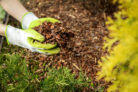
If you mulch your hydrangeas, you’re actually helping with long-term feeding. A good layer of bark mulch holds onto nutrients and releases them slowly. Just remember to cut off the “buffet” by August so the plant can harden off for winter. If you suspect your hydrangea has been over-fertilized, keep an eye out for yellowing or burnt-looking edges on the leaves.