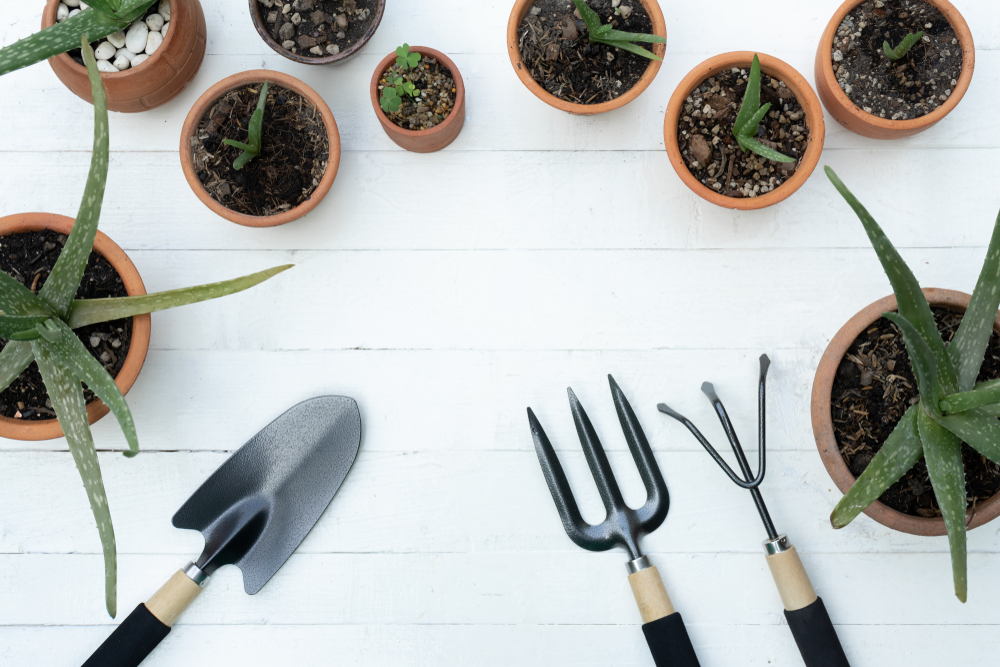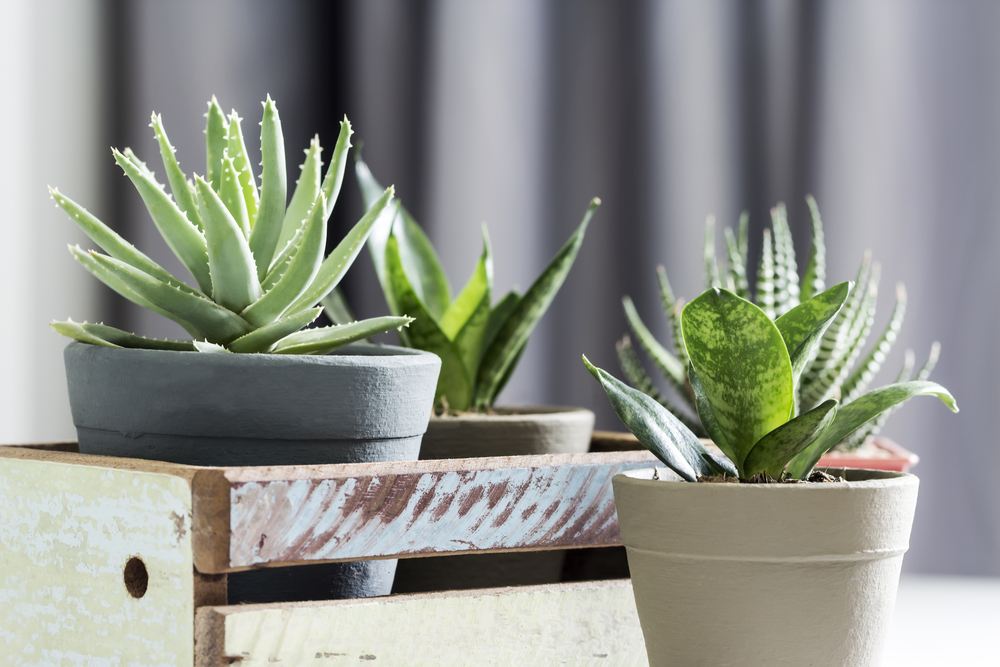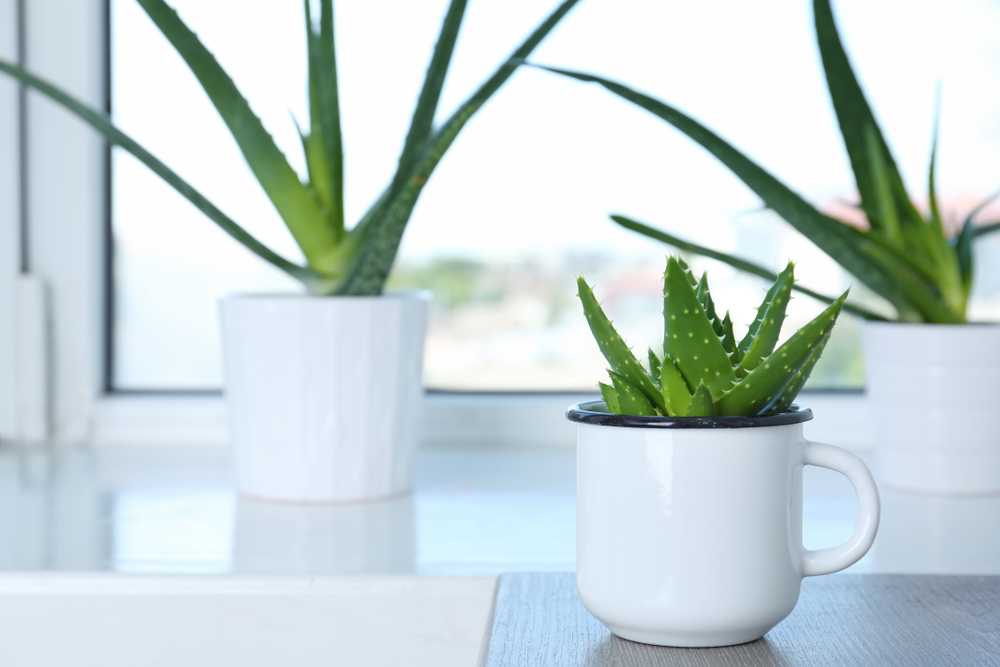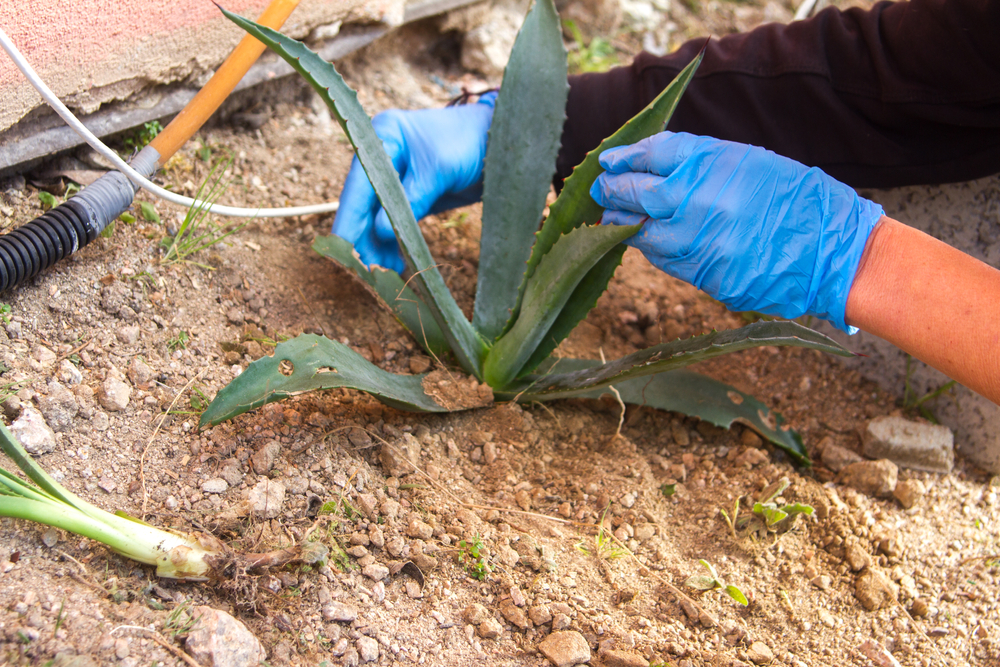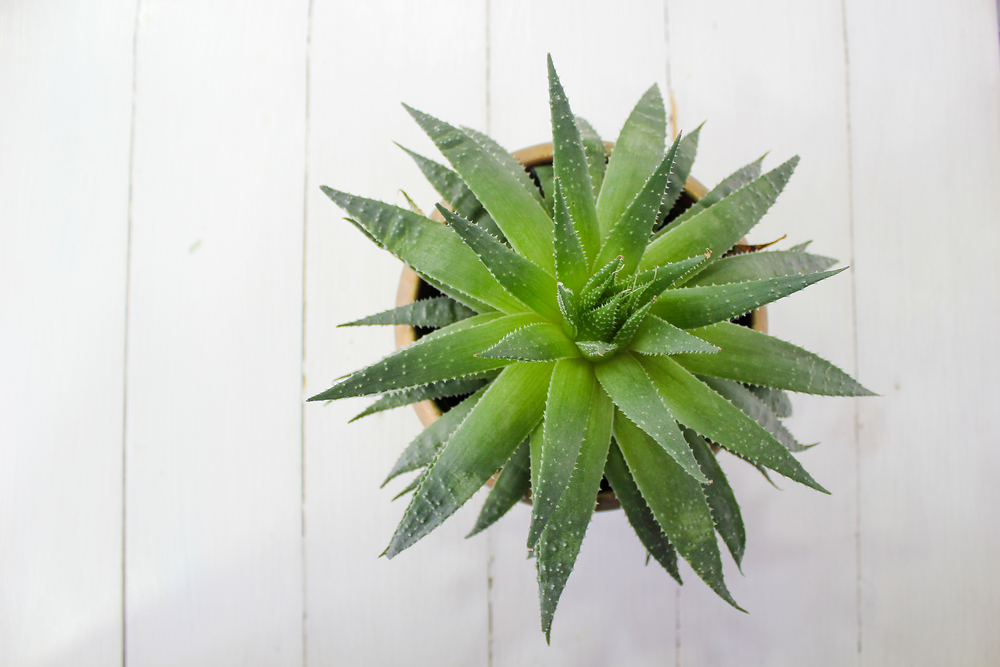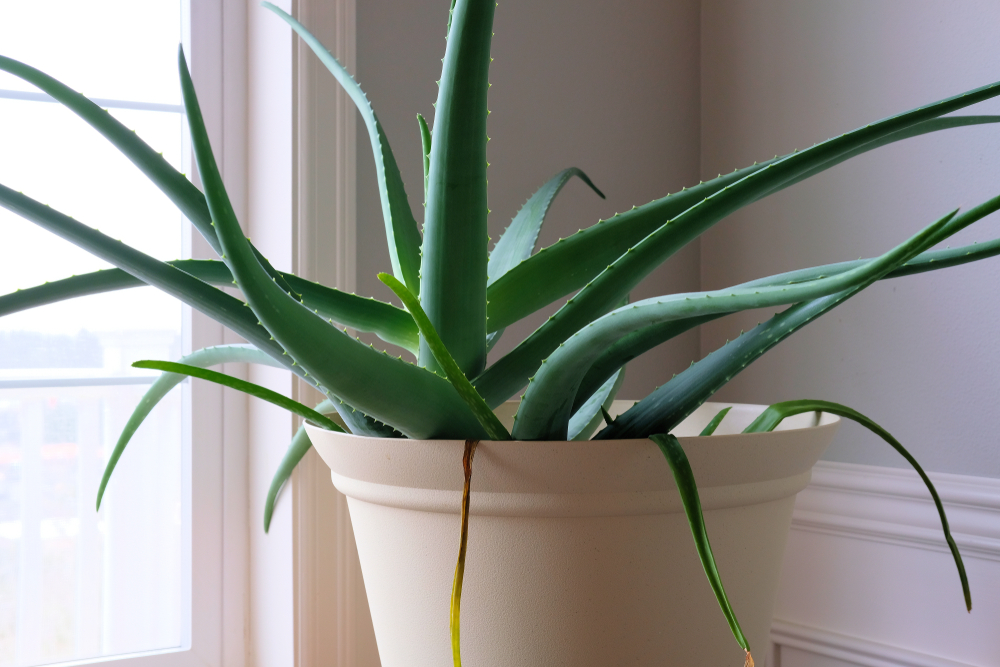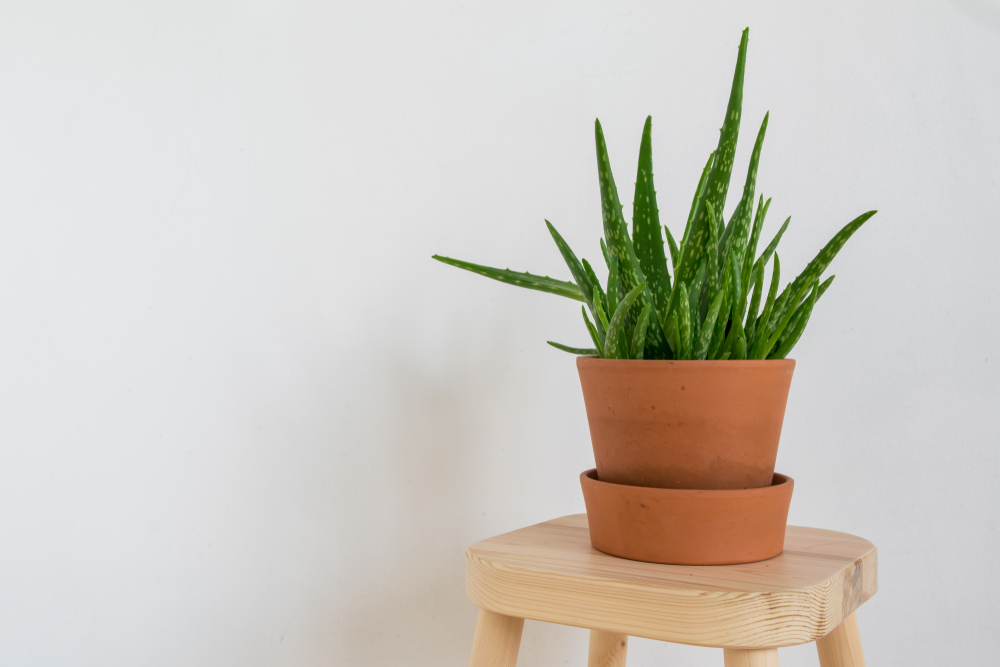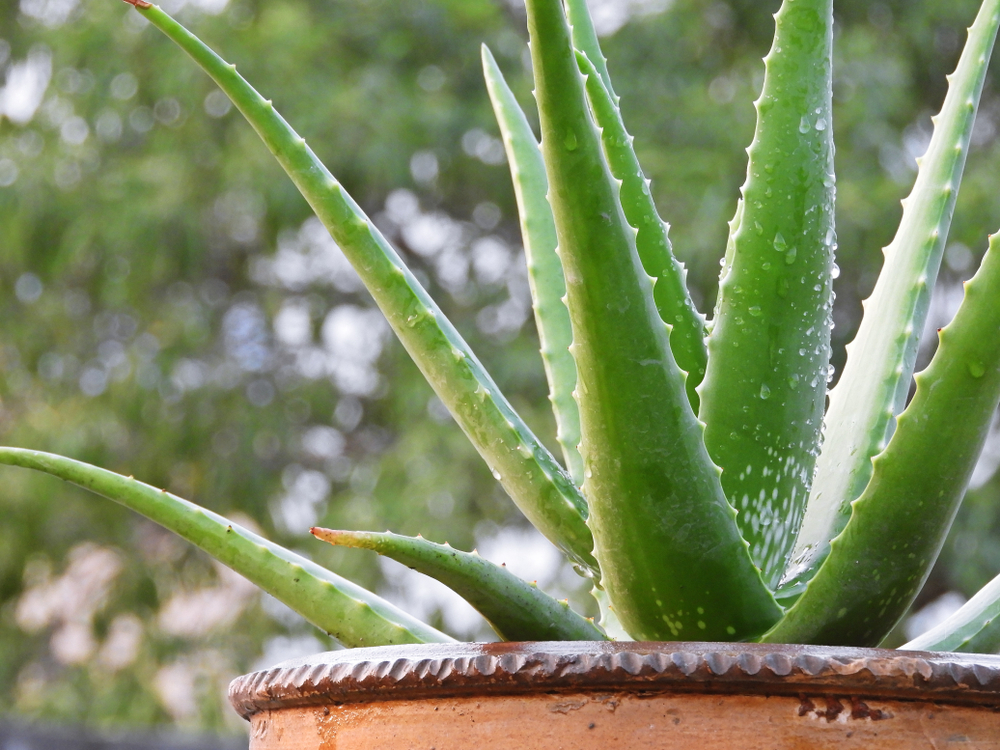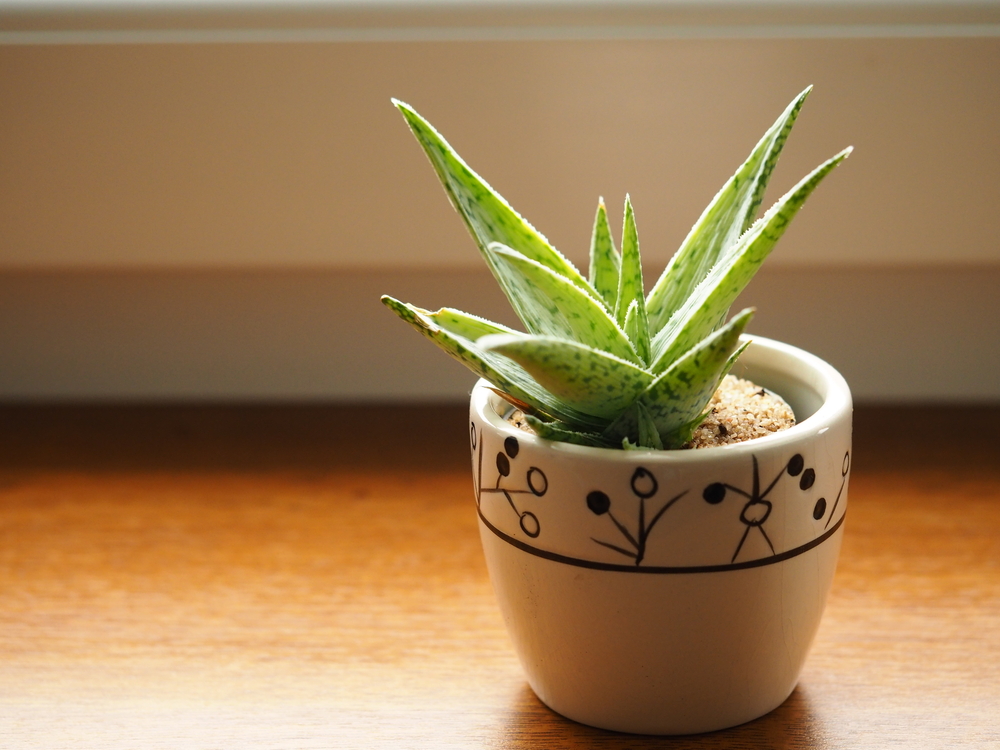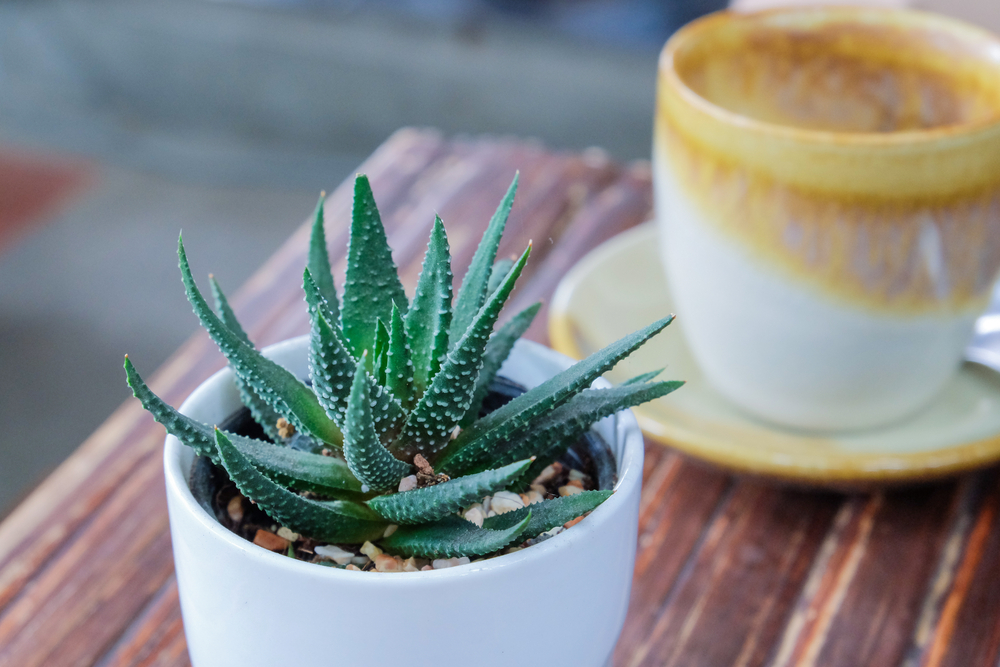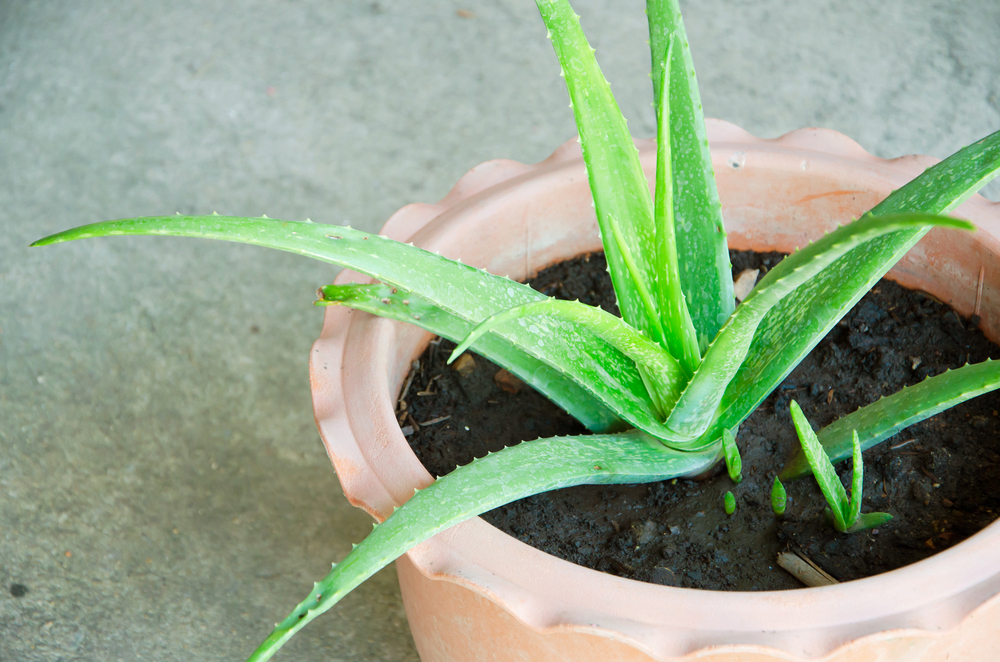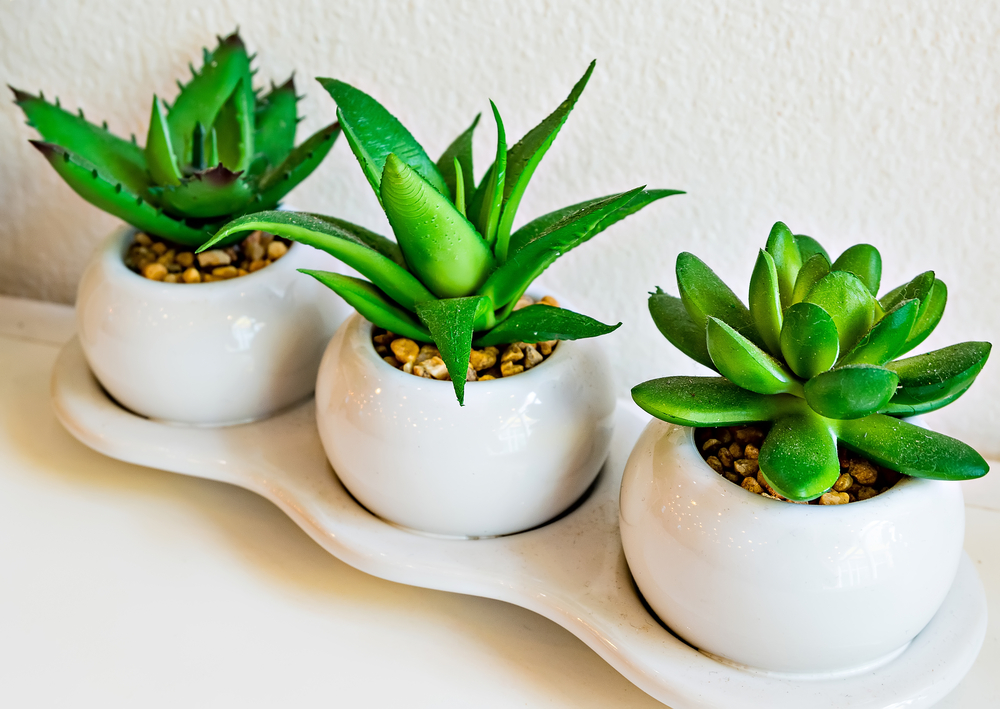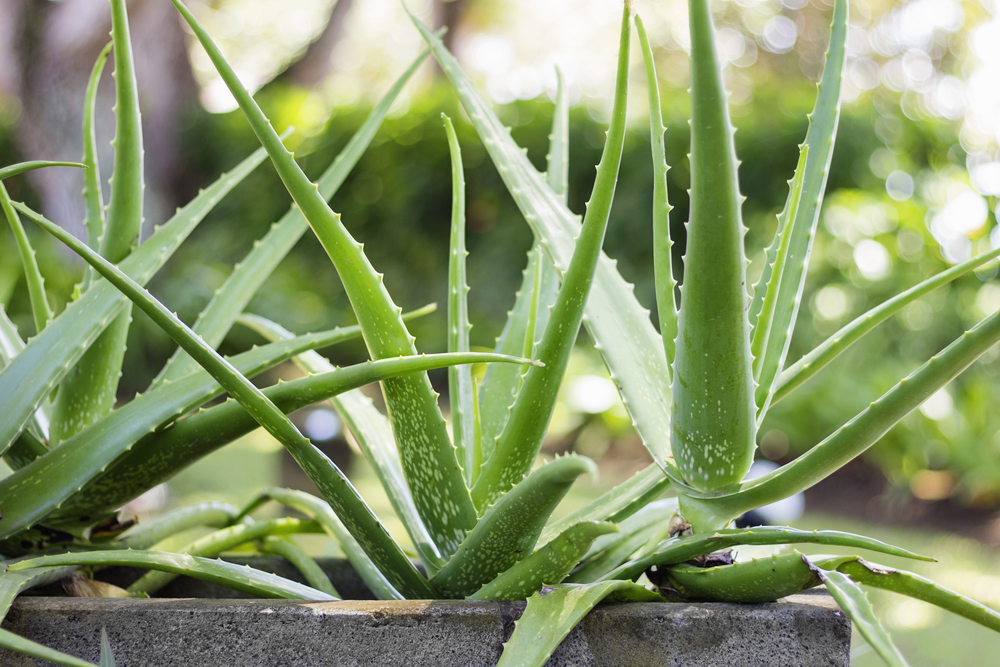
Originally from tropical regions, Aloe Vera isn’t a fan of the cold, which is why most of us grow it as a houseplant or keep it in pots on the patio. It’s a succulent, meaning it’s a pro at storing water in its tissues—specifically those thick, fleshy leaves. For the most part, Aloe is super low-maintenance and only needs a little TLC to thrive.
General Care Tips
Aloe Vera loves a warm, sunny spot. It can even handle full sun, though if things get too dry in the summer, you might notice the tips of the leaves starting to brown. To keep it happy, make sure it gets enough water, and maybe give it a little light shade during the hottest part of the afternoon. Also, if you’re moving your plant outdoors in the spring, remember to acclimate it to the direct sunlight slowly so it doesn’t get “sunburned.”
When it comes to watering, Aloe is pretty forgiving and can handle a bit of a drought. I recommend using a cactus or succulent potting mix and adding a layer of expanded clay pebbles (LECA) at the bottom of the pot for drainage. This prevents standing water, which is a big no-no for Aloe—its delicate roots will rot if they sit in soggy soil for too long.
Nutrients and Fertilizing
To keep your plant growing strong, you’ll want to make sure it has the right nutrients. If you’ve just repotted your Aloe, you can skip the fertilizer for a few weeks since fresh soil is already packed with minerals. Once it’s settled in, you can feed it a few times during the peak growing season. Here’s my go-to routine:
- Start fertilizing in March every four weeks to jumpstart growth.
- Use a specialized cactus or succulent fertilizer.
- Go easy on the dosage—over-fertilizing can actually hurt the plant’s health.
- Keep the soil slightly moist for a bit after feeding so the roots can soak up the nutrients.
- Stop fertilizing altogether starting in November.
- Fertilizing for Medicinal Use
Many people grow Aloe Vera as a “first-aid plant” because the gel inside the leaves is amazing for skin care. If you plan on using your Aloe medicinally, you’ll want to skip the chemical fertilizers and stick to organic options. Here are a few great ways to go green:
- Organic fertilizer sticks, granules, or liquid concentrates.
- Nettle tea (stinging nettle manure).
- Comfrey tea.
- Worm tea (vermicompost tea).
You can find organic fertilizers at any local garden center, or if you’re feeling adventurous, you can even brew your own plant teas at home!